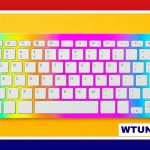
A keyboard’s character comes from more than its switches. The mechanism beneath each keycap determines how a press feels and registers, while the plate, PCB, stabilizers, keycaps, and case work together to shape sound, movement, and durability. Understanding these parts makes it easier to choose a keyboard, plan a custom build, or improve an existing one.
What a keyboard switch does
A switch sits beneath each keycap and converts downward movement into an electrical input. In a mechanical keyboard, the switch contains moving parts that control the key’s travel, resistance, feedback, and return. These characteristics affect typing rhythm, gaming response, sound, and comfort during long sessions.
Switches can differ in several important ways:
- Actuation force: The pressure needed for the switch to register a press.
- Pre-travel: How far the stem moves before the input is activated.
- Total travel: The full distance the key moves from its resting position.
- Sound and feedback: Whether the press feels smooth, provides a bump, or produces an audible click.
The three main mechanical switch types
Linear switches
Linear switches move smoothly from top to bottom without a tactile bump. Their consistent travel can suit users who prefer an uninterrupted keystroke, including many gamers who want predictable repeated presses. The right spring weight is important: a light switch may feel fast, while a heavier one can provide more resistance and reduce accidental presses for some users.
Tactile switches
Tactile switches have a noticeable bump during the press. This feedback can help typists recognize an input without bottoming out every key, and it offers a middle ground between smooth linear switches and louder clicky designs. Tactile switches are often considered for typing, programming, and general-purpose use.
Clicky switches
Clicky switches combine tactile feedback with a distinct audible click. Some users enjoy the clear sound and deliberate feel, while others may find clicky boards unsuitable for shared offices or quiet rooms. Sound should therefore be considered alongside feel when choosing a switch.
What is inside a mechanical switch?
A typical mechanical switch includes a housing, stem, spring, and contact mechanism. The housing holds the internal parts and contributes to stability and tone. The stem moves inside the housing and determines the switch’s travel and keycap connection. The spring controls resistance and pushes the key back to its resting position. Finally, the contact mechanism completes the electrical circuit when the switch reaches its actuation point.
Materials, tolerances, and construction vary between switches, so two switches with similar specifications may still feel or sound different. Published lifespan ratings can also help heavy users compare options, although feel and suitability for the intended environment remain equally important.
Keyboard components beyond the switch
PCB and plate
The printed circuit board, or PCB, detects key presses and connects the switches to the keyboard’s electronics. A hot-swap PCB allows switches to be removed and replaced without soldering, making it useful for testing different switch types or replacing a faulty switch. Soldered PCBs require switches to be attached with solder but are also used in many custom builds.
The plate sits above the PCB and supports the switches. Materials such as aluminum, brass, steel, and polycarbonate can change the board’s rigidity and acoustic character. The way the PCB or plate is held in the case also affects feel. Common mounting approaches include tray mount, top mount, and gasket mount. These designs can produce different levels of firmness and flex.
Stabilizers
Large keys such as the spacebar, Enter, Shift, and Backspace need stabilizers to keep them level and reduce side-to-side movement. Poorly adjusted stabilizers can create rattle or uneven resistance, while properly fitted and lubricated stabilizers make these keys feel smoother and sound more consistent.
Keycaps
Keycaps affect both the surface feel and the sound of a keyboard. Their material, thickness, profile, and shape influence how each key feels under the fingers. Thick PBT keycaps commonly produce a deeper sound than thinner ABS keycaps, although the final result also depends on the plate, case, switches, and internal dampening.
Matching a build to its purpose
- Gaming: Linear switches with a suitable actuation force can provide smooth, predictable repeated presses.
- Typing and programming: Tactile switches offer feedback that may help users maintain a deliberate typing rhythm.
- Shared spaces: Quieter switches, stable keycaps, and well-tuned stabilizers can reduce unwanted noise.
- Experimentation: A hot-swap board makes it easier to compare switch weights, switch types, plates, and sound treatments.
Maintenance and sensible upgrades
Regularly remove dust and debris from the keycaps and keyboard surface so that dirt does not interfere with key movement. Stabilizers and switches can be lubricated to reduce friction and noise, but lubrication must be applied carefully. Too much, or the wrong type of lubricant, can change the intended feel or affect actuation.
Other possible upgrades include switch films, replacement stabilizers, different keycap sets, internal foam, and O-rings. Make one change at a time and test the keyboard after each adjustment. This approach makes it easier to identify which modification improved the feel or sound and which changes were unnecessary.
Building a better keyboard experience
Switches provide the starting point, but the complete keyboard determines the final result. Consider feel, sound, actuation force, mounting style, stabilizer quality, keycap material, and ease of maintenance together rather than choosing a switch in isolation. With thoughtful component selection and gradual tuning, a keyboard can be adapted for gaming, focused typing, quiet work, or personal experimentation.
Related Guides
- 60 Keyboard Pcb
- Best Thocky Switches
- Blue Cheese Switches
- Blush Nano Switches
- Cherry Brown
- Cherry Mx Blue Switch Keyboard
- Cherry Mx Gray
- Cherry Mx Speed Silver
- Cherry Profile Double Shot Pbt Keycaps
- Cherry Red Switches
- Creamy Keyboard Switches
- Gaming Keyboard Brown Switches
- Gateron Banana Switches
- Gateron Keyboard Switches
- Hall Effect Keyboard Pcb
- Keyboard Components
- Keyboard Lubricant
- Keyboard Scissor Switch
- Keyboard Switch Colors Meaning
- Keychron Banana Vs Brown Vs Red
- Lightest Switches
- Linear Keyboard Switches
- Mechanical Keyboard Stabilizer
- Neo Ergo Keyboard
- Prelubed Switches
- Purple Switch
- Redragon Brown Switch
- Retro Keycaps
- Sa Profile Keycaps
- Switch Opener
- Switch Types
- Switches For Sale
- Types Of Keyboard Switches
- What Does Hot Swappable Mean