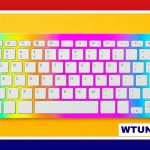
Why choose a non-mechanical gaming keyboard?
A non-mechanical gaming keyboard can be a practical alternative to a mechanical model, especially if you want a quieter setup, a lower purchase price, or a keyboard that works well for both gaming and everyday typing. Modern membrane and other non-mechanical designs can provide dependable input, gaming-focused features, and attractive lighting without requiring the feel or cost of individual mechanical switches. Explore switchless key technologies to compare non-mechanical gaming keyboard designs and unique feature sets.
The right choice depends less on the “gaming” label and more on how the keyboard handles rollover, key registration, comfort, software, and durability. Understanding the technology and your own priorities makes it easier to separate useful features from unnecessary extras.
How non-mechanical keyboards work
Most non-mechanical gaming keyboards use a membrane and rubber-dome system rather than a separate mechanical switch beneath every key. A typical membrane keyboard contains flexible layers with conductive traces. Pressing a key pushes the layers together, completing an electrical contact and registering the input.
Rubber domes provide resistance and return the keys to their original position after a press. Their feel can range from soft and quiet to relatively firm, depending on the shape and construction of the domes. Some non-mechanical keyboards use scissor mechanisms, which support shorter travel and a more laptop-like profile. These are often useful when desk space, portability, or a low-profile design matters.
Features that matter for gaming
Non-mechanical keyboards vary considerably in quality. When comparing models, focus on the specifications and controls that affect real use.
- Anti-ghosting and rollover: These features help the keyboard register several simultaneous key presses. At least six-key rollover can be useful for games that require combinations of movement, actions, and shortcuts, while broader rollover support may suit more demanding key layouts.
- Connection and polling: A wired USB connection is common for gaming keyboards. Some models advertise a 1000 Hz polling rate, but the overall experience also depends on the keyboard’s firmware and input implementation.
- Key feel and travel: Consider whether you prefer a soft, cushioned press or a shorter, firmer low-profile action. Comfort matters during long gaming or typing sessions.
- Lighting: Backlighting improves visibility in a dim room. RGB membrane keyboards may offer adjustable colors, zones, or profiles, depending on the model.
- Software: Companion software can provide lighting controls, remapping, and macro recording. These options are particularly useful for games with many commands or custom key bindings.
- Layout and ergonomics: Check the size of the keyboard, the position of navigation keys, the presence of a number pad, and whether it includes adjustable feet or a wrist rest.
Who benefits most from a membrane gaming keyboard?
A quality membrane keyboard is suitable for casual players, entry-level competitive gaming, and people who use one keyboard for work and entertainment. It can handle common FPS, RTS, and RPG controls while also providing a comfortable typing surface. The softer sound is another advantage in shared rooms, home offices, streaming spaces, or any environment where loud key presses are distracting.
Low-profile and compact non-mechanical keyboards are also convenient for smaller desks or travel. They may be easier to carry and can feel familiar to anyone accustomed to laptop keyboards.
Mechanical keyboards remain appealing to players who specifically want pronounced tactile feedback, individual switch options, or a highly precise and customizable typing feel. Neither design is automatically best for every player. Noise level, budget, key feel, and the games you play should guide the decision. For gamers comparing quieter non-mechanical designs, explore clicky keyboard sound to understand louder typing feedback.
How to choose the best non-mechanical keyboard for your setup
Start by deciding whether the keyboard is primarily for gaming, typing, or mixed use. For a general-purpose model, prioritize comfortable travel, dependable rollover, a sensible layout, and software that supports the shortcuts you actually use. If gaming in a dark room, lighting controls may be more valuable than decorative effects. If noise is the main concern, look for a model described as quiet and pay attention to reviews or product details about hollow sounds and reverberation.
Budget models can provide the essentials, while midrange keyboards may add stronger construction, improved keycaps, braided cables, more lighting controls, or more capable software. Features such as an aluminum top plate or premium keycap material can improve the overall impression, but they should not replace the basics of comfort and reliable input.
Durability and maintenance
Rubber domes and membrane contacts can wear over time, and non-mechanical keyboards are generally less focused on switch-level repair or customization than enthusiast mechanical models. That does not make every membrane keyboard short-lived; construction quality and usage have a major effect, and some models are rated for millions of keystrokes.
Simple maintenance can help extend its useful life:
- Disconnect the keyboard before cleaning it.
- Remove dust and debris around the keycaps regularly.
- Clean the surface with suitable, lightly applied materials rather than excess liquid.
- Keep drinks away from the keyboard and address spills promptly.
- Check the warranty and software support before buying.
True membrane boards generally do not offer the same switch replacement options as hot-swappable mechanical keyboards. Some hybrid and low-profile designs blur that distinction, so verify the construction if upgradeability is important to you.
Final buying advice
The best non-mechanical gaming keyboard balances quiet operation, comfort, useful gaming controls, and reasonable construction for its price. Compare rollover, key feel, connection type, lighting, software, layout, and warranty rather than choosing solely by appearance. For many players, a well-designed membrane keyboard delivers reliable gaming and everyday performance without the higher cost or louder acoustics associated with some mechanical setups.