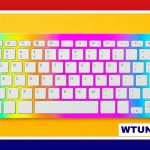
The best mechanical keyboard for programming is not necessarily the most expensive or feature-packed model. It is the one that remains comfortable through long coding sessions, gives you dependable access to modifiers and symbols, and fits the way you work. Layout, switch feel, noise, connectivity, and build quality all matter more than appearance alone. For detailed recommendations and comparisons, see our mechanical keyboard reviews covering layouts, switches, and ergonomics.
Why programmers choose mechanical keyboards
Programming involves continuous typing, frequent use of shortcuts, and repeated access to keys such as Control, Command, Alt, Shift, brackets, and the function row. Mechanical keyboards use individual switches beneath each key, creating a consistent keystroke and a more defined sense of when a key has been pressed.
That feedback can make typing feel more controlled and satisfying. It does not automatically make someone a faster programmer, but a well-matched keyboard can reduce distractions and make extended sessions more comfortable. The right choice depends on your hands, your desk, and your tolerance for sound.
Choose a switch based on feel and noise
Switch type has the greatest effect on how a mechanical keyboard feels. The three broad categories are:
- Tactile switches: provide a noticeable bump during the keypress without the sharp click of a clicky switch. They are a practical starting point for many programmers.
- Linear switches: move smoothly from top to bottom with no tactile bump. They suit people who prefer a fluid, quiet-feeling keypress, particularly when paired with silent or dampened components.
- Clicky switches: add an audible click and pronounced feedback. They can be enjoyable at home but may disturb colleagues or others nearby.
Examples such as Cherry MX Brown or Gateron Brown represent the tactile category, while Cherry MX Blue and Kailh Box White are familiar clicky options. These labels are only a starting point: spring weight, keycaps, lubrication, and the keyboard case also affect the final feel and sound.
Pick the layout that matches your workflow
A compact keyboard saves desk space, but smaller layouts may move commonly used keys behind function-layer shortcuts. Consider these common formats:
- 60%: very compact, usually without dedicated arrow keys, a function row, or navigation keys.
- 65% or 75%: compact designs that retain more navigation keys and, in many cases, a dedicated function row.
- Tenkeyless: removes the number pad while preserving a familiar main layout and function row.
- Full-size: includes a dedicated number pad and is useful for frequent data entry, spreadsheets, or applications that rely on numeric input.
Before choosing a compact board, check the placement of the arrow keys, Home, End, Delete, and function keys. A layout that looks efficient can become frustrating if your development tools depend heavily on those commands.
Features that matter for coding
Mac and Windows compatibility
If you switch between macOS, Windows, or Linux, look for a keyboard with sensible key remapping and, ideally, keycaps for both Mac and Windows modifier labels. Models designed for mixed-platform use, including several Keychron keyboards, commonly offer macOS-focused legends alongside Windows compatibility. Stable Bluetooth can be useful for a laptop setup, while a wired connection remains simple and dependable.
Hot-swappable switches
Hot-swap sockets allow switches to be replaced without soldering. This makes it easier to experiment with tactile, linear, or silent options and is especially useful if you are still learning what suits your typing style. It also makes future repairs or upgrades more accessible. Programmers comparing layouts and switch feel can also explore budget typing options for reliable everyday use.
Build quality and stabilizers
A solid case, reliable USB connection, and well-tuned stabilizers can make a noticeable difference on larger keys such as Space, Enter, and Shift. PBT keycaps are often chosen because they resist developing a shiny surface, while case foam or silicone dampening can reduce hollow sound and vibration.
Keyboard recommendations by preference
Best starting point for mixed-platform use: Keychron models such as the K2 and K6 offer compact layouts, Mac-oriented support, Bluetooth, and hot-swap variants. They are a sensible place to begin if you want flexibility without building a keyboard from separate components.
Best for a traditional, dependable layout: Ducky One 2 and Leopold boards are known in the legacy recommendations for solid construction, conventional layouts, and consistent stabilizers. They suit programmers who want a keyboard that works well without extensive modification.
Best for customization and gaming: The Drop CTRL and Corsair K70 combine mechanical switches with features that appeal to gaming users, such as programmable controls or gaming-oriented configurations. They can work well for coding too, provided the layout and noise level suit your workspace.
Best for a distinctive premium typing experience: HHKB and Realforce models use Topre-style switches rather than conventional mechanical switches. They are worth considering if typing feel is more important to you than hot-swap support, extensive lighting, or broad customization.
Best budget direction: Compact hot-swappable boards from Keychron or Akko can provide a practical entry into mechanical keyboards while leaving room to change switches and keycaps later.
How to make the final decision
Start with your required layout, then choose a switch based on noise and feel. If you share an office, avoid assuming that clicky switches will be acceptable; tactile or silent linear options are usually easier to live with. If you use a MacBook, verify modifier mapping and Bluetooth support. If you use a number pad regularly, do not sacrifice it simply to save desk space.
The best mechanical keyboard for programmers is ultimately the one that supports your actual workflow. A compact hot-swappable board, a full-size productivity keyboard, and a premium Topre-style model can all be excellent choices when their layout, sound, and key feel match the person using them.