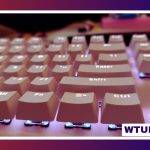
The Epomaker Shadow X is aimed at users who want more from a mechanical keyboard than a fixed, out-of-the-box setup. Its appeal comes from a combination of compact design, switch customization, flexible connectivity, and features that support both everyday productivity and deeper keyboard modifications. Learn how the Epomaker Shadow X incorporates hot-swappable switches for easy customization and quick switch replacement.
Rather than locking users into one typing experience, the Shadow X provides a foundation that can be adjusted over time. It can serve as a practical daily keyboard, a programmable tool for demanding workflows, or a starting point for enthusiasts who enjoy refining sound and key feel.
Design, materials, and typing experience
The Shadow X has a clean, purposeful design intended to balance desk space with usability. Compact layouts can leave more room for a mouse while retaining the keys most people need for writing, programming, and general computer use. Depending on the configuration, the case may use lightweight polycarbonate or more rigid aluminum, giving buyers different options for portability and solidity.
Keycaps also contribute significantly to the experience. PBT keycaps are used on many keyboards in this category because they offer a durable, textured surface that is less likely to develop a glossy appearance through regular use. The keycap profile, switch choice, and mounting design all affect how the keyboard feels during long typing sessions.
The mounting approach—such as tray, gasket, or top mount—can influence both key response and acoustics. The Shadow X is presented as a keyboard that aims for a balanced feel, with construction choices intended to limit harsh resonance and excessive hollowness.
Hot-swappable switches and easy customization
Hot-swappable switch sockets are one of the Shadow X’s most useful features. They allow switches to be removed and replaced without soldering, making it easier to test different mechanical characteristics or replace a faulty switch. Users can choose among linear, tactile, and clicky designs according to their preferred sound, resistance, and feedback.
This flexibility makes the keyboard approachable for beginners while also giving experienced users room to experiment. A lighter linear switch may suit fast, smooth input, while a tactile switch can provide more noticeable feedback for typing. The right choice depends on personal preference and should not be treated as a universal advantage for one type of user.
The hot-swap design also supports maintenance and modification. Owners can explore changes such as lubricating switches and stabilizers, trying different springs, adding switch films, or placing foam between internal layers. These adjustments can improve smoothness, reduce unwanted movement, and change the character of the sound.
Wired and wireless connectivity
Connectivity is another important part of the Shadow X’s flexible design. The keyboard typically combines a USB-C wired connection with Bluetooth wireless functionality, allowing it to fit different working environments. Wireless use can be convenient when moving between a desktop, laptop, and tablet, while wired mode is suitable for users who prefer a direct connection. The Epomaker Shadow X may suit creators seeking an efficient editing workflow on a PC for video production.
For competitive gaming or any task where minimizing latency is a priority, wired operation may be the preferred choice. Bluetooth, meanwhile, can be more convenient for office work and general productivity. The exact wireless behavior and device support can depend on the particular configuration, so users should check the details of the version they are considering.
Programmability and workflow control
Programmability gives the Shadow X value beyond its physical construction. Key remapping, layers, and macros can reduce repetitive actions and adapt the keyboard to different applications. A programmer might assign frequently used commands to a secondary layer, while a content creator could configure shortcuts for editing or production software.
Support for firmware tools such as QMK or VIA is associated with this class of customizable keyboard and can make layout changes more convenient. The legacy information identifies the Shadow X with this kind of customization, but firmware support and available functions may vary by model or revision. Where available, onboard profiles or memory can help preserve settings on the keyboard itself.
Lighting, controls, and acoustic features
Per-key RGB lighting adds visual customization and can also provide practical feedback. Brightness controls and lighting profiles allow users to choose a restrained appearance or more prominent effects. Lighting can potentially distinguish layers or programmed states, although the usefulness of those functions depends on the available firmware and software controls.
Some Shadow X configurations may also include features such as south-facing LEDs, a rotary encoder, or additional onboard controls. A rotary encoder can be useful for volume adjustment or scrolling, while south-facing lighting may improve compatibility with certain keycap profiles. These details should be confirmed for the specific version before purchase.
Acoustic performance is supported by a combination of case construction, plate choice, internal foam, and gasket-based design elements where included. The goal is to reduce ping, vibration, and hollow resonance rather than simply make the keyboard louder. Users can further alter the sound with different keycaps, switch films, lubrication, or additional dampening material.
Who should consider the Epomaker Shadow X?
- Writers and office users: They can benefit from a compact keyboard with a customizable typing feel and optional wireless operation.
- Programmers and power users: Remapping, layers, and macros can make frequently used commands easier to reach.
- Gamers: Wired connectivity and selectable switches provide options for responsive input and personal preference.
- Keyboard enthusiasts: Hot-swap sockets and mod-friendly construction create room for ongoing experimentation.
- Content creators: Lighting profiles, programmable keys, and possible rotary controls can support shortcut-heavy workflows.
Final assessment
The Epomaker Shadow X is best understood as a flexible mechanical keyboard platform rather than a single fixed experience. Its hot-swappable switches, customizable firmware options, connectivity choices, and attention to acoustics give users several ways to tailor it. Whether the priority is comfortable daily typing, gaming, productivity shortcuts, or hands-on modification, the Shadow X offers a foundation that can evolve with the owner’s preferences.