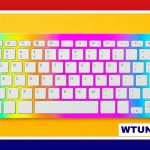
A programmable keypad is a compact input device that lets you assign custom commands, shortcuts, and macros to a dedicated group of keys. Instead of reaching for a full keyboard, mouse, or series of menu commands, you can place frequently used actions directly under your fingers. Explore programmable keypad features to learn how custom macros and layers integrate with keyboard technologies.
These devices can complement a standard keyboard or work alongside a fully programmable keyboard. Their value comes from concentrating high-use controls in a small, easy-to-reach space, making them useful for creative software, office work, gaming, streaming, and alternative input setups.
What is a programmable keypad?
A programmable keypad has fewer keys than a conventional keyboard, but those keys can usually be configured through software or firmware. Depending on the model, a key might open an application, trigger a keyboard shortcut, send a sequence of commands, control media, or perform a task within a specific program.
A programmable keyboard provides customization across a larger, often full-size layout. A keypad is more focused: it gives you a compact bank of controls for actions that deserve quick access. Many users combine the two, keeping regular typing on their main keyboard and assigning repetitive or specialised commands to the keypad.
Features that matter
Programmable keypads differ considerably in construction and configuration options. Before choosing one, consider how much control you need and how the device will fit into your existing setup.
- Number and arrangement of keys: Choose a layout that provides enough dedicated controls without taking up unnecessary desk space.
- Remapping: Per-key remapping allows each button to perform the shortcut or command you prefer.
- Macros: Some keypads can send multi-step sequences, which can simplify repetitive actions.
- Layers and profiles: Layers let one physical key perform different functions, while profiles can separate settings for different applications or activities.
- Onboard memory: Stored profiles can be useful when moving the keypad between computers or using it without configuration software running.
- Switch type: Mechanical and membrane switches offer different typing feel, sound, and durability characteristics.
- Connectivity: Wired USB, Bluetooth, and wireless dongles each affect portability, setup, and suitability for situations where responsiveness is important.
- Operating-system support: Check compatibility with the systems you use, including Windows, macOS, or Linux where relevant.
Firmware and configuration software
The programming system often matters as much as the hardware. Some products use proprietary desktop software with a visual interface. This can make basic remapping and profile creation straightforward, especially for people who do not want to edit firmware manually.
Other keypads support community-driven firmware and configuration tools such as QMK or VIA. These platforms may provide more detailed control over keymaps, layers, macros, and advanced behaviours. Support varies by device, so confirm exactly which features are available before buying rather than assuming that every keypad offers the same level of programmability.
Where a programmable keypad can help
Creative applications
Video editors can assign timeline navigation, trimming, playback, and rendering commands to dedicated keys. Design and CAD users may prefer quick access to tools, selection modes, or frequently repeated command sequences. Keeping these controls separate from the main keyboard can reduce the need to search through menus. A programmable keypad pairs neatly with monochrome keyboard layouts for a cohesive desk setup.
Streaming and media control
Streamers can use a keypad for scene changes, audio toggles, and other production controls. A compact control bank can be positioned where it is easy to reach while attention remains on the main display or other equipment.
Office and data tasks
Spreadsheet users and other office professionals can reserve keys for recurring shortcuts, navigation commands, data-cleanup routines, or application-specific actions. The best assignments are usually the tasks you perform often and currently complete through several keystrokes or repeated mouse movement.
Gaming and accessibility
Gamers may use a programmable mini keyboard for frequently needed controls or game-specific layouts. Programmable keys can also provide an alternative input method for people who find standard keyboard arrangements uncomfortable or difficult to use. In either case, the layout should be adapted to the user rather than chosen solely for its number of functions.
How to set up a keypad effectively
- List repetitive actions: Identify shortcuts and commands you use regularly before assigning anything.
- Group related functions: Keep navigation, media, editing, and system controls in predictable areas.
- Create application profiles: Use separate layouts for editing, browsing, gaming, or other activities when the device supports profiles.
- Use layers carefully: Layers expand the number of available functions, but too many hidden commands can make the layout difficult to remember.
- Test macros: Check multi-step actions in a safe context so an incorrect sequence does not trigger an unintended operation.
- Label or document important keys: Clear labels, keycaps, or a small reference guide can shorten the learning period.
Placement and ergonomics
Place the keypad close enough to reach without stretching, and position it so your wrist can remain relatively neutral. Many people place it beside the main keyboard or nearer the hand that operates the mouse, depending on the task. Related commands should be easy to distinguish by position, keycap, or layout.
Start with a small number of useful assignments instead of programming every key at once. Once the basic layout feels natural, add layers or more specialised profiles. This approach makes it easier to identify which customisations genuinely improve the workflow.
Choosing the right programmable keypad
Match the keypad to your priorities: compact size, switch feel, wireless freedom, onboard storage, software simplicity, or deeper firmware control. A professional user may value reliable profile handling and broad software compatibility, while a portable setup may benefit more from wireless connectivity and stored configurations.
Also consider build quality, replacement or customisation options, firmware support, and the availability of setup resources. The best programmable keypad is not necessarily the one with the most keys. It is the one that places your most important actions within comfortable, dependable reach.