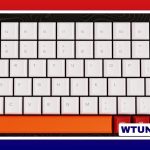
A point-of-sale (POS) keyboard is more than a standard computer keyboard placed beside a checkout terminal. It is designed for transaction-focused work, where staff may repeatedly enter products, discounts, payment commands, or customer details throughout a shift. The right model can make common tasks easier to reach, keep the counter organised, and provide dependable input in demanding retail and hospitality settings. If you need specialized input for retail, explore articles on POS keyboard layouts and features.
What is a POS keyboard?
A POS keyboard is an input device designed for use with point-of-sale software and related checkout equipment. Depending on the model, it may include a numeric keypad, dedicated shortcut buttons, programmable keys, sealed surfaces, or an integrated reader. It can be used alongside a monitor or touchscreen, barcode scanner, receipt printer, cash drawer, and payment terminal.
POS keyboards are commonly found in shops, restaurants, bars, reception desks, kiosks, and other locations where employees need to complete transactions quickly. A touchscreen may handle many functions, but physical keys can offer tactile feedback and make frequently used commands easier to access.
Important features to consider
The best keyboard depends on the environment and the tasks performed most often. Consider the following features before comparing specific models:
- Durability: Checkout equipment is used repeatedly and may be exposed to dust, crumbs, moisture, or accidental spills. A robust housing and dependable keys can be valuable in high-use areas.
- Spill resistance and cleanability: Sealed or protected designs are useful in food service and other environments where liquid or debris is a concern. Check the manufacturer’s cleaning instructions before applying any product.
- Programmable keys: Assigning common actions to dedicated buttons can reduce navigation through menus. Possible assignments include item searches, discounts, returns, cash-drawer commands, or frequently ordered products, depending on the POS software.
- Layout: A full-size layout may suit data-heavy work, while a compact design can leave more room for a scanner, payment terminal, or customer display. A clearly separated numeric keypad can also help with quantity and price entry.
- Key feel and visibility: Mechanical or quality membrane switches provide different levels of tactile response. Backlighting may help staff see keys in dim settings, although it is not essential for every counter.
- Connection type: Wired USB models are often simple to deploy and avoid battery management. Wireless keyboards can be helpful where flexible placement matters, but they require attention to charging, pairing, and reliable range.
Common types of POS keyboards
Compact POS keyboards
Compact keyboards are suited to small counters, kiosks, and workstations where every centimetre matters. They may retain essential letter and number keys while reducing less-used sections. Some models combine the keyboard with additional checkout components, which can reduce cable clutter and simplify the physical arrangement.
Programmable keyboards
Programmable keyboards allow selected keys to be mapped to software commands or repeated sequences. They are useful when employees perform the same actions many times, such as entering popular menu items or applying standard discounts. Before choosing one, confirm that its configuration software and key assignments work with the POS application. Poorly planned shortcuts can create confusion, so labels and a consistent layout are important.
Rugged and spill-resistant keyboards
Rugged keyboards are built for locations with demanding conditions, including busy kitchens, bars, service counters, and exposed kiosks. Sealed membranes, protected housings, and materials that are easier to wipe down can help with routine maintenance. A rugged appearance alone does not guarantee liquid protection, so verify the stated resistance level and operating instructions. A customizable number pad can complement a POS keyboard by streamlining repetitive entries and transaction shortcuts.
Keyboards with integrated readers
Some POS keyboards incorporate features such as magnetic-stripe or card-related readers. These designs may save space, but payment hardware must be compatible with the business’s terminal, software, and security requirements. Do not assume that an integrated reader can be used simply because it fits the keyboard; confirm the complete payment setup before purchase.
Matching the keyboard to the workplace
Different workflows call for different priorities. A quick-service counter may benefit from clearly labelled programmable keys for common orders. A boutique retailer may prefer a compact model with shortcuts for returns, discounts, or loyalty functions. A bar or kitchen may place greater value on a sealed, easy-to-clean surface. A temporary or mobile setup may need a lightweight wireless model, provided its connection and battery arrangements are practical for the shift.
Start by listing the tasks employees perform most frequently. Identify which actions currently require several menu selections, which areas are vulnerable to spills, and how much counter space is available. This process is more useful than choosing a keyboard based only on its appearance or the number of extra keys.
Compatibility, installation, and maintenance
Check compatibility with the POS operating system, application, and connected peripherals before ordering. A basic wired keyboard may work immediately as a standard input device, while programmable or security-focused models may require drivers, configuration software, or setup by an administrator. Confirm the available ports, cable length, operating requirements, and any restrictions imposed by the POS provider.
Routine care should include removing debris, wiping the surface with an approved cleaner, and testing keys that are used frequently. Avoid allowing cleaning liquid to enter the keyboard, and follow the manufacturer’s instructions for sealed models. If the keyboard is part of a payment or PIN-entry workflow, keep its configuration within the approved system rather than modifying security-related components independently.
How to choose
Choose the model that removes the most friction from your actual checkout process. Prioritise durable construction for intensive use, programmable keys for repetitive commands, a compact layout where space is limited, and spill protection where cleaning and exposure are major concerns. Most importantly, verify compatibility before installation. A POS keyboard should support the software and peripherals already used by the business, not introduce another source of delays or errors.