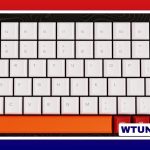
A keyboard wrist rest can make a desk setup more comfortable, especially during long periods of writing, coding, data entry, or gaming. The right model should support your hands without forcing your wrists into an awkward angle or adding pressure while you type. Size, height, firmness, surface material, and desk position all affect how well a wrist rest works. Compare wrist rest options to complement your setup and explore broader keyboard add-ons for long-term comfort.
What a keyboard wrist rest is for
A wrist rest fills the gap between the front edge of a keyboard and the desk. It gives your palms a place to rest when you pause and can help keep your hands at a consistent height relative to the keys. Many people find that this reduces the need to hold their hands unsupported for extended periods.
It should not be used as a hard anchor for your wrists while you type. Keep your hands relaxed, allow your fingers to move freely, and avoid pressing heavily into the pad. If a wrist rest causes tingling, numbness, pain, or a noticeable bend at the wrist, stop using it and reassess the height and position of the setup.
Common types of keyboard wrist rests
Wrist rests differ in both construction and feel. The main options include:
- Memory foam: Soft foam conforms to the shape of your palms and provides a cushioned feel. It may suit users who prefer gentle support, although very soft foam can lose its shape over time.
- Gel: Gel-filled models offer a relatively firm, smooth surface with some cushioning. They are often easy to wipe clean and may feel cooler than fabric-covered foam.
- Silicone or rubber: These materials are durable, practical, and usually simple to clean. A rubberized base can also help prevent the pad from sliding.
- Fabric-covered foam: Cloth surfaces are common in office setups and can feel comfortable against the skin. Look for a removable or washable cover if regular cleaning is important.
- Leatherette or hard-surface models: These can provide a neat appearance and a firmer resting surface, but they may feel less forgiving than foam or gel.
Some products are shaped for split or ergonomic keyboards, while others are designed for compact, full-size, or extended layouts. A matching mouse wrist rest is also available if you want similar support on both sides of the desk.
How to choose the right size and height
Start with the keyboard rather than choosing a wrist rest by appearance alone. The pad should be wide enough to support the area where your palms naturally sit, without extending so far that it interferes with your mouse or other equipment. A compact keyboard usually pairs well with a shorter rest, while a full-size keyboard may need a longer model.
Height is particularly important. The top of the wrist rest should work with the front edge and slope of the keyboard so that your hands remain level or close to level as they move toward the keys. A pad that is too tall can angle the wrists upward; one that is too low may provide little useful support. If your keyboard has adjustable feet, test the keyboard and wrist rest together rather than separately. A keyboard layout photo can show how comfortably the wrist rest fits your setup.
Firmness is a matter of preference and use. Choose softer foam if you want a cushioned resting surface, or denser foam, gel, silicone, or a hard surface if you prefer more stable support. A non-slip base is useful when the pad tends to move during normal use.
Setting up your desk
- Place the wrist rest directly against the keyboard, without leaving a large gap.
- Keep the keyboard and wrist rest on the same level whenever possible.
- Adjust your chair and desk so your shoulders can remain relaxed rather than raised.
- Keep the mouse close enough that you do not need to reach repeatedly.
- Use the rest mainly when pausing or lightly supporting your palms, rather than leaning your full weight on it while typing.
- Take regular breaks and change position during long sessions.
Laptop users may benefit from a separate keyboard and a portable wrist rest if the built-in keyboard forces the screen or hands into an uncomfortable position. For a mouse, place a mouse wrist rest at approximately the same height as the keyboard rest so the transition between devices does not require a large change in hand position.
Cleaning and replacement
Care instructions depend on the material. Wipe silicone, rubber, gel, and hard surfaces with a soft cloth and a mild cleaning solution. Fabric and leatherette covers should be cleaned according to the manufacturer’s instructions; removable covers are especially convenient for regular maintenance.
Inspect the pad periodically for flattened foam, cracks, torn fabric, sticky surfaces, or a gel filling that has become uneven. These signs can make the support less comfortable and may indicate that replacement is appropriate. Persistent discomfort, numbness, or tingling should not be ignored. Changing the setup may help, but professional advice can be appropriate when symptoms continue.
Final considerations
The best keyboard wrist rest is the one that matches your keyboard’s size and slope, feels comfortable without excessive pressure, and stays in place during use. Compare height and firmness as carefully as material, and treat the rest as part of your overall workstation rather than a substitute for good desk positioning. A well-matched pad can make everyday typing and mouse use feel more consistent and comfortable.