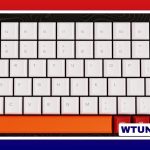
The right keyboard can make computer use more comfortable, accurate, and independent. However, accessibility needs vary widely. A person with tremors may need a keyguard or more space between keys, while someone with limited strength may benefit from low-force keys. A user with a visual impairment may depend on strong contrast and tactile markers, and someone who cannot use a standard keyboard may need switch access, scanning, or eye-gaze control. Choose accessible layouts and sizes that reduce reach and improve typing comfort for users with disabilities.
Rather than looking for one universal “disabled keyboard,” start by matching the device to the user’s movement, vision, communication method, computer setup, and daily activities.
Start with the user’s needs
Before comparing models, consider what makes the current keyboard difficult to use. Useful questions include:
- Does the user have difficulty reaching across a wide keyboard?
- Are accidental key presses caused by tremors, limited coordination, or fatigue?
- Is pressing a key physically tiring or painful?
- Would larger lettering, high contrast, or tactile markers improve key recognition?
- Can the user operate a physical keyboard, or would switch scanning, speech input, or eye-gaze access be more suitable?
- Does the keyboard need to work with a screen reader, communication aid, or other assistive software?
These answers help narrow the choice more effectively than size or appearance alone. When possible, try a device before buying it. An occupational therapist or assistive technology specialist can also help assess posture, reach, motor control, and the tasks the keyboard must support.
Keyboard layouts and sizes
A full-size keyboard includes a number pad, function row, and navigation keys. This arrangement is useful when the user needs numeric entry or relies on a familiar layout, but the wider design can increase reaching and arm movement.
Compact and tenkeyless keyboards remove some sections and place the most frequently used keys closer together. They may reduce reach for users with limited arm movement, although a changed arrangement can require practice. Mini keyboards can be useful in restricted spaces, but their smaller keys are not suitable for everyone.
One-handed keyboards group commonly used keys within the reach of one hand and may be designed for left- or right-hand use. Split or ergonomic keyboards change the angle and spacing of the key groups, which may reduce wrist strain for some users. They are not automatically better for every person, so comfort and range of motion should guide the decision.
Features that can improve access
Large keys and high-contrast markings
Large keycaps with generous spacing can make targets easier to identify and reduce accidental presses. High-contrast lettering is helpful for users with reduced vision. Tactile bumps or other physical markers can make important keys easier to locate without looking.
Keyguards
A keyguard is a firm overlay with openings above individual keys. It can help a user rest the hand on the keyboard while selecting one key at a time. This may be useful when involuntary movement or reduced precision makes standard typing difficult. The guard should be positioned securely and tested for comfort.
Low-force and cushioned keys
Some keyboards require less pressure to activate, which can help users with limited hand strength or painful joints. A very light touch is not ideal for everyone, particularly if accidental activation is a concern. The best balance depends on the user’s control and fatigue level. Exploring accessible numeric layouts can help readers compare keypad options when choosing keyboards for disabled users.
Programmable keys
Programmable buttons can assign a frequently used command, phrase, or key combination to a single press. This can reduce the number of steps required for common tasks. Custom mappings should be documented so the user and support people know what each key does.
When a physical keyboard is not the best option
Some users may communicate more effectively through an on-screen keyboard, speech recognition, switch scanning, or eye-gaze control. Scanning systems move through choices automatically or with a switch, so scan speed and highlighting need to match the person’s reaction time. On-screen keyboards can also be paired with alternative pointing methods.
For tablets and phones, a mobile accessibility keyboard may offer larger controls, alternative layouts, or compatibility with the device’s built-in accessibility features. The same principles apply: reduce unnecessary movement, make targets easy to identify, and allow enough time for accurate selection.
Setup and compatibility matter
Even a well-designed keyboard can be difficult to use if it is poorly positioned. Place it on a stable surface at a comfortable height, keep it within easy reach, and check that the user’s shoulders and wrists are not held in a strained position. An adjustable stand, tray, or mounting arm may help bring the device into a reliable position.
Check compatibility with the operating system, assistive software, communication equipment, and any required drivers. Wired models can offer straightforward connection and predictable operation, while wireless keyboards may make positioning easier. In shared, clinical, or educational environments, consider durability and whether the surface can be cleaned safely.
Operating-system settings can also make a difference. Adjust key repeat speed and delay, enable accessibility features such as Filter Keys where appropriate, and test the keyboard with speech or on-screen input. Allow time for practice, then review the setup after the user has completed real tasks.
Make the choice a continuing process
The most suitable accessible keyboard is the one that supports the user’s actual goals with the least discomfort and unnecessary effort. Compare layouts, key size, activation force, visual design, mounting options, and software compatibility—not just price. A trial period is especially valuable because a keyboard that seems promising may still be tiring or difficult during extended use.
Needs can change as strength, coordination, work demands, or assistive technology changes. Regular follow-up and small adjustments to the keyboard, positioning, and computer settings can help maintain comfortable and reliable access over time.