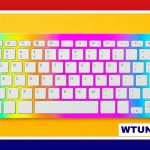
A D-pad keyboard combines the directional control of a game controller with the broader functionality of a keyboard. Depending on the design, it may be built into a compact keyboard layout or provided as a separate USB or Bluetooth accessory. Its directional pad can make navigation, movement, editing, and custom shortcuts easier to perform without relying on a traditional arrow-key cluster. Consider a directional pad adapter when customizing D Pad Keyboard designs for ergonomic typing and gaming.
What is a D-pad keyboard?
A D-pad keyboard uses a single directional control surface for up, down, left, and right input. Some models can also recognise diagonal movement, a press-in action, or different commands when used with programmable layers. This makes the device more flexible than a simple set of arrow keys, particularly when the pad is positioned for thumb control.
The format appears in several types of setup. A compact keyboard may integrate the D-pad into a 60% or 65% layout, while a standalone module can sit beside an existing keyboard. External units are useful when you want directional controls without replacing your main keyboard.
How it differs from arrow keys
Traditional arrow keys give each direction its own key. A D-pad groups those directions into one tactile control, which can feel more natural for users accustomed to game controllers. The shared surface also makes simultaneous or diagonal directional input possible on designs that support it.
The main advantage is not that a D-pad is universally better than arrow keys. Rather, it offers a different control position and interaction style. A thumb-operated pad may reduce the need to move a hand away from the home typing area, while a compact external module can save space compared with a full keyboard layout.
Common designs and switch types
D-pad keyboards vary in construction and programmability. Mechanical versions place switches beneath each direction and may be available with linear, tactile, or clicky characteristics. Capacitive and rubber-dome designs can provide a quieter feel.
Other design features to compare include:
- Integrated or standalone format: Choose a built-in pad for a unified layout or a separate module for flexibility.
- Wired or wireless connection: USB generally simplifies setup, while Bluetooth can reduce cable clutter and support portable use.
- Programmable layers: A pad can switch between navigation, movement, macros, or application-specific commands.
- Housing material: Aluminum can provide a substantial feel, while plastic may reduce weight and cost.
- Switch serviceability: Hot-swappable mechanical sockets make it easier to test or replace compatible switches.
Practical uses
Gaming is an obvious application, especially for users who prefer controller-style directional input or want to create a custom movement layout. A D-pad can also suit retro games and other software where compact, responsive directional control is useful.
For writing and general navigation, the pad can provide cursor movement while keeping the hand close to the typing position. Video and audio editors may assign frame stepping, timeline nudges, or other small directional adjustments to it. Designers and CAD users can use the controls for panning or repeatable object movement when their software supports custom shortcuts. Compare keyboard layout tips to see how a D-pad keyboard differs from the built-in typing board.
Content creators can take advantage of programmable layers by assigning commands such as scene changes, overlays, or audio muting. The same accessory can then perform different functions depending on the active application or layer.
Compatibility and setup
Many D-pad keyboards work as standard USB or Bluetooth input devices with little configuration. Remapping, macros, and multiple layers usually require configuration software or programmable firmware. Before buying, check support for the operating systems and devices you use. Generic HID operation may provide basic input even when advanced configuration tools are limited.
Some custom keyboard builds support firmware such as QMK or VIA, allowing users to assign keys, create layers, and configure combinations. Setup may include choosing directional commands, adjusting debounce behaviour, and setting key-repeat preferences. Faster repeat settings can suit navigation or gaming, while more conservative settings may help prevent unwanted repeated input during text editing.
For wireless models, consider pairing procedures, battery charging, device switching, and the importance of connection responsiveness in your particular workflow. A wired connection may be preferable when consistent real-time input matters most.
Choosing the right D-pad keyboard
Start with the position of the pad. A recessed control may feel comfortable for thumb use, while a raised surface can offer more pronounced tactile feedback. Think about whether you need the pad integrated into a keyboard or placed independently beside it.
Next, prioritise the features that match your work:
- Choose programmability if you need layers, macros, or application-specific profiles.
- Choose mechanical switches if switch feel and replaceability are important.
- Choose a compact or detachable module when desk space and portability matter.
- Compare wired and wireless options according to latency, cable preferences, and battery needs.
- Look for clear configuration support if you intend to customise the device.
Maintenance and troubleshooting
Dust and debris can affect switches or contact surfaces, so clean the pad periodically with a soft brush or suitable compressed air. If a direction registers inconsistently, test the device on another computer, review debounce and repeat settings, and check that switches are seated correctly. A custom build may also require inspection of switch sockets or solder connections.
For Bluetooth problems, confirm that the unit is charged, remove the existing pairing, and pair it again. If programmable firmware is involved, reviewing the configuration or restoring a stable firmware version may help identify software-related issues. With the right layout and settings, a D-pad keyboard can complement a standard keyboard by adding compact, tactile, and highly adaptable directional control.