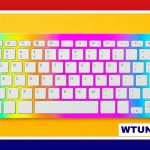
A budget mechanical keyboard can deliver a more defined, responsive typing experience without requiring a premium purchase. The right choice depends less on brand recognition and more on how you plan to use the keyboard, the layout you prefer, and which features you are willing to skip. For deeper comparisons, check our mechanical keyboard reviews covering features, switches, and pricing across models.
Before comparing individual models, decide whether your priority is gaming, everyday typing, office use, portability, or a combination of these. That decision will help narrow down the switch type, size, connectivity, and construction features that matter most.
Start with the switch type
Mechanical switches determine how a keyboard feels and sounds. The three broad categories are:
- Linear switches: Smooth from the initial press to the bottom, making them popular with people who prefer fast, uninterrupted key presses.
- Tactile switches: Provide a noticeable bump during the press, which can make it easier to sense when a key has been activated while typing.
- Clicky switches: Add an audible click to the tactile feedback. They can be enjoyable for typing but may be unsuitable for shared offices or quiet rooms.
There is no universally best switch. If possible, try a switch tester or use a keyboard in person before buying. For a shared workspace, quieter switches are usually the safer option, while gamers and home typists can choose based on their preferred feel and sound.
Choose a layout that fits your desk
Keyboard size affects both comfort and functionality. A full-size keyboard includes a dedicated number pad and is useful for spreadsheets, accounting, and frequent numerical entry. It also takes up the most desk space.
Tenkeyless, or TKL, keyboards remove the number pad while retaining the function row, navigation keys, and arrow keys. This creates more room for a mouse and is a practical compromise for many users. Smaller 60 percent and compact layouts remove additional keys and rely on shortcuts or function layers. They are useful for minimal desks, travel, and users who rarely need dedicated navigation or function keys.
Pay attention to the layout before ordering, especially if you regularly use a number pad, arrow keys, or a familiar arrangement of modifier keys. A smaller keyboard is not automatically better if it slows down your everyday workflow.
Wired or wireless connectivity?
A wired mechanical keyboard is generally the simplest and most affordable option. It does not require charging and is a sensible choice for a permanent desk setup or gaming system. A detachable USB cable can also make storage and transport easier.
Wireless keyboards provide a cleaner desk and greater flexibility. Bluetooth is convenient for compatible computers and mobile devices, while a 2.4GHz wireless receiver is designed for a direct connection with low delay. Some keyboards support both methods, but wireless convenience may come with a higher price and the need to monitor battery levels.
For competitive gaming, a wired connection is a straightforward choice. For office work, living-room use, or a portable setup, wireless connectivity may be worth prioritising. See the choosing the right switches guide before comparing budget mechanical keyboard options.
Look beyond RGB lighting
Lighting can be attractive, but it should not take priority over switch quality, layout, and construction. When comparing affordable keyboards, look for features that affect daily use:
- Keycap material: PBT keycaps are often valued for their textured feel and resistance to developing a shiny surface. ABS keycaps can still be perfectly usable, particularly on lower-cost boards.
- Hot-swappable switches: These sockets allow switches to be changed without soldering, making it easier to adjust the feel or replace a faulty switch.
- Anti-ghosting or NKRO: These features help the keyboard register several keys pressed at the same time, which is useful for gaming and shortcut-heavy workflows.
- Build stability: A rigid plate, dependable feet, and minimal flex can make an inexpensive keyboard feel more substantial.
- Remapping support: Firmware or software for changing key assignments can be valuable on compact layouts.
Match the keyboard to the way you work
Gaming
Gamers should focus on consistent key presses, rollover support, and a layout that leaves enough room for mouse movement. RGB lighting and programmable keys can be useful extras, but they should not replace a comfortable switch feel or reliable construction.
Office and general typing
For an office, library, or shared home, consider quieter switches and a design that does not produce excessive case or keycap noise. A full-size layout is helpful for numerical work, while TKL models offer more space for the mouse without removing the most commonly used keys.
Travel and compact desks
A compact or wireless keyboard is easier to carry and can reduce clutter. Before choosing a very small layout, make sure you are comfortable using function layers for keys that are no longer dedicated. A portable keyboard is only convenient if its shortcuts do not interrupt your normal tasks.
Buy for long-term value
Sales, bundles, refurbished units, and open-box products can reduce the cost, but a low price should not be the only criterion. Check that the listing clearly identifies the switch type, layout, connectivity, and keycap material. Reviews can also reveal issues that specifications do not show, such as excessive flex, unreliable wireless performance, or uncomfortable stabilisers.
Maintenance is usually straightforward: keep dust and debris away from the switches, clean the keycaps periodically, and avoid spills. A keyboard with hot-swap sockets, replaceable keycaps, and remapping support may remain useful longer because it can be adjusted or repaired rather than replaced outright.
Final buying checklist
The best budget mechanical keyboard is the one that fits your actual habits. Before purchasing, confirm:
- Whether you prefer linear, tactile, or clicky switches
- Whether you need a number pad or a compact layout
- Whether wired or wireless connectivity suits your setup
- Whether noise will be an issue where you work
- Which upgrade and durability features are included
By prioritising these practical details over unnecessary extras, you can find an affordable mechanical keyboard that feels comfortable, performs reliably, and suits your desk for years of everyday use.