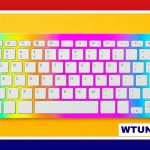
An 80% keyboard, also called a tenkeyless or TKL keyboard, is a practical middle ground between a full-size keyboard and a smaller compact layout. It removes the numeric keypad but keeps the main typing area, function row, arrow keys, and navigation cluster. The result is a narrower keyboard that preserves the keys many people use every day.
For gaming, office work, programming, and general desktop use, this layout can free valuable desk space without requiring the compromises associated with very small keyboards. The best choice depends on how you type, what you play, how much noise you can tolerate, and whether you want to customise the board over time.
Why choose an 80% or TKL keyboard?
Removing the number pad shortens the distance between the keyboard and mouse. Gamers may appreciate the extra room for wider mouse movements, while office users may find that a narrower setup encourages a more centred posture. The layout also leaves space for monitors, tablets, notebooks, or other desk accessories.
Unlike many smaller keyboards, a TKL model normally retains dedicated function and arrow keys. You do not need to rely as heavily on function layers or keyboard shortcuts for navigation, making the format convenient for spreadsheets, writing, coding, and everyday administration.
Features that matter most
Switch type and typing feel
Switches have a major effect on how a keyboard feels and sounds:
- Linear switches provide a smooth keypress and are often chosen by gamers who prefer an uninterrupted press.
- Tactile switches offer noticeable feedback without necessarily producing a loud click, which can suit writing and programming.
- Clicky switches create both tactile feedback and an audible click, but they may be unsuitable for shared workspaces.
- Quiet switches reduce sound for offices, bedrooms, or other situations where noise matters.
There is no universally best switch. If possible, test different switch types before buying, since specifications cannot fully describe the feel of a keypress.
Build quality and keycaps
A rigid case helps a keyboard feel stable during fast or extended use. Aluminium cases can provide a substantial feel, while well-made plastic cases may offer a lighter and more portable alternative. Look for a board with minimal flex and a mounting design that suits your preference for firmness or cushioning.
Keycap material also affects long-term use. PBT keycaps generally resist surface shine better than many less-durable alternatives, while double-shot legends can help printed characters remain readable. Profile and shape influence comfort, so check that replacement keycaps will be compatible if customisation is important to you.
Stabilisers and sound
Large keys such as the spacebar, Enter, and Shift keys depend on stabilisers. Poorly tuned stabilisers can rattle or feel uneven, whereas well-fitted ones produce a more controlled press. Sound is equally personal: plate material, case construction, keycaps, switches, and internal dampening all contribute to the final acoustic profile.
Wired or wireless connectivity?
A wired connection is straightforward and avoids battery management. It is a sensible choice for a permanent desk setup and for users who want to minimise potential connection variables during gaming.
Wireless models can make a desk look cleaner and are useful when moving between workspaces. Bluetooth is convenient for compatible devices, while a dedicated 2.4GHz connection may be preferable when you want a more responsive wireless setup. Before buying, check the supported connection modes, operating-system compatibility, charging method, and whether the keyboard can still be used while charging.
Customisation and software
Some 80% keyboards support key remapping, macros, lighting controls, and multiple layers through onboard controls or companion software. These options can be useful for assigning shortcuts to editing, development, or gaming tasks. If you want to change switches later, a hot-swappable PCB allows compatible switches to be replaced without soldering.
Customisation is not essential for everyone, so do not pay extra for features you will not use. However, a hot-swappable board can be a worthwhile choice if you are still exploring different switch types or expect your preferences to change.
Matching the keyboard to your needs
- For gaming: prioritise a comfortable layout, dependable connectivity, consistent switches, and a stable case. The missing number pad can provide more room for mouse movement.
- For writing and programming: concentrate on switch feel, keycap comfort, stabiliser quality, and easy access to navigation and function keys.
- For shared spaces: choose quieter switches and consider the board’s overall sound rather than focusing on switches alone.
- For travel or flexible workspaces: compare weight, wireless options, case durability, and whether the keyboard can be transported safely.
- For customisation: look for hot-swappable switches, remapping support, replaceable keycaps, and a design that is easy to open and maintain.
Setup and maintenance tips
Keep the keyboard free of dust and debris by removing the keycaps for occasional cleaning and using suitable tools to clear the plate and switch area. Avoid introducing excessive liquid. If you use a wireless model, monitor its battery and install firmware updates only according to the manufacturer’s instructions.
Enthusiasts can adjust sound and feel with compatible keycaps, switch changes, stabiliser tuning, or internal dampening. These modifications are optional, and they may affect warranty coverage or require careful disassembly. Start with simple changes before attempting more involved alterations.
The best 80% keyboard is the one whose layout, switch feel, noise level, connectivity, and construction fit your daily routine. By comparing those fundamentals instead of focusing only on appearance or lighting, you can choose a TKL board that works well now and remains adaptable as your preferences develop.