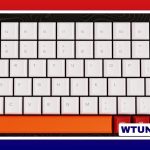
A typing cushion, also called a keyboard wrist rest or keyboard pillow, can make long periods at a computer more comfortable. The right model gives your hands and forearms a stable place to rest between keystrokes without forcing your wrists into an awkward angle. It can work with a standard keyboard, a compact layout, an ergonomic split keyboard, or a gaming setup. For better comfort, consider keyboards with wrist support when pairing your typing cushion for prolonged sessions.
Comfort depends on more than softness. The cushion must suit the height of your keyboard, the amount of support you prefer, and the way you type. A well-chosen rest should complement your setup rather than become something that pushes your hands too high or restricts movement.
What a typing cushion is designed to do
Most typing cushions sit along the front edge of a keyboard. They bridge the height difference between the desk and the keyboard, giving your palms or lower forearms somewhere to rest when you pause. During active typing, your wrists should not be pressed heavily into the cushion or bent sharply upward. Think of the cushion as a support for breaks and lighter contact, not as a platform that holds your wrists in place continuously.
This distinction is especially important with ergonomic keyboards. Split, curved, or tented designs already change the position of your hands, so a single straight wrist rest may not match their shape. The support should follow the keyboard’s layout and allow your fingers to move freely.
Common typing cushion materials
Different materials create noticeably different experiences. Consider the following characteristics before choosing one:
- Memory foam: Soft and conforming, memory foam spreads pressure across the contact area. It may suit people who prefer a cushioned feel, although very soft foam can lose its shape over time.
- Gel: Gel-filled rests generally feel supportive and resilient. Some users prefer their smoother, cooler surface during long sessions, while others may find them too firm.
- Silicone or rubber: These materials are typically easy to wipe clean and can provide a firmer, more stable surface. An anti-slip underside is useful when typing quickly.
- Fabric-covered foam: A fabric cover can feel comfortable against the skin and may be removable for washing. Check the care instructions before cleaning, since the inner foam may not tolerate water.
There is no universally best material. Firmness, surface temperature, compression, and personal preference all matter. If possible, compare several styles before buying rather than choosing based only on appearance.
Match the cushion to your keyboard
Measure the front-to-back height of your keyboard and compare it with the height of the proposed cushion. A rest that is too tall can raise your hands and encourage an upward wrist bend. One that is too low may leave an uncomfortable gap between the desk and keyboard.
Size and shape should also match the layout:
- Full-size keyboards: A long, single-piece rest can support both hands and span the entire keyboard.
- Tenkeyless and compact keyboards: A shorter rest keeps support close to the typing area without taking up unnecessary desk space.
- Split or sculpted keyboards: Two separate supports or a curved model may fit better than a straight cushion.
- Gaming setups: A low-profile, resilient rest can provide a place to pause without interfering with broad mouse movements or quick hand repositioning.
Look for a base that stays still on your desk. Sliding can cause repeated adjustments and make the cushion less useful. A smooth, washable cover is also practical for a rest used every day. After choosing a comfortable typing cushion, consider a wrist-supported mouse mat to keep your setup ergonomic.
Set up and use a typing cushion properly
Place the cushion directly against the front edge of the keyboard, with no large gap between them. Keep your shoulders relaxed and your elbows near a comfortable angle. Your hands should be able to reach the keys without stretching, and your forearms should remain broadly aligned with your hands.
When typing, allow your wrists to remain light and mobile rather than leaning your full body weight on the cushion. Use the support mainly when reading, pausing, or repositioning your hands. If the cushion causes pressure, numbness, tingling, or a noticeable change in wrist angle, adjust its position or try a different height and firmness.
A typing cushion cannot correct every ergonomic problem. Chair height, desk height, keyboard angle, monitor position, and regular breaks also influence comfort. Changing position periodically is often more useful than holding one posture for an entire work session.
Cleaning and replacing your keyboard cushion
Follow the manufacturer’s cleaning instructions. Removable covers may be washable, while foam interiors commonly require spot cleaning rather than soaking. Gel, silicone, and rubber surfaces can often be wiped with a slightly damp cloth and mild detergent, then dried thoroughly.
Keep the cushion away from prolonged heat and direct sunlight, which can damage some foams and surface materials. Replace it if it becomes lumpy, collapses, slides constantly, or develops cracks or leaks. A worn-out rest may provide uneven support and become less comfortable than the bare desk.
Who may find a typing cushion useful?
Office workers, students, remote workers, and gamers may all appreciate a suitable cushion when they spend extended periods at a keyboard. It can reduce the need to rest directly on a hard desk edge and make pauses more comfortable. However, persistent wrist pain, weakness, numbness, or tingling should not be treated by changing accessories alone. Stop or modify activities that worsen symptoms and seek appropriate medical advice when discomfort continues.
The best typing cushion is the one that matches your keyboard, keeps your hands moving naturally, and remains comfortable throughout ordinary use. Prioritise the correct height, suitable firmness, a stable base, and easy maintenance over decorative features or exaggerated promises.