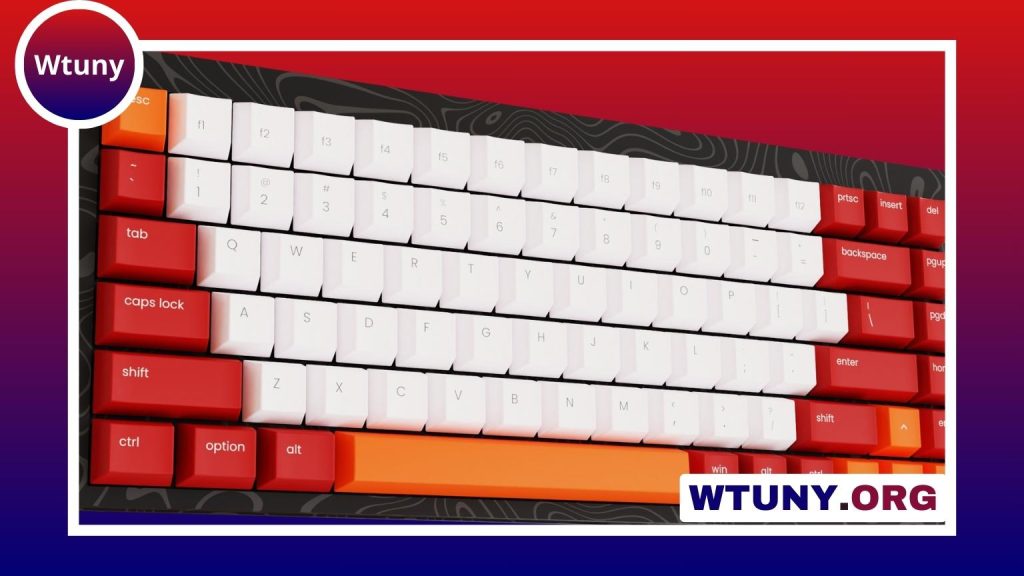
Artisan keycaps turn a mechanical keyboard into something more personal. Instead of using only mass-produced caps from a standard set, you can replace selected keys with hand-finished designs, miniature sculptures, unusual textures, or carefully matched colors. An artisan can be a subtle accent or the central feature of an entire keyboard theme.
What is an artisan keycap?
An artisan keycap is a custom-made keycap produced in small quantities, often by an independent maker. Many are sculpted, cast, printed, painted, or assembled by hand, which gives them a character that is difficult to reproduce at mass-production scale. Designs range from simple color effects to detailed objects and themed scenes.
Most enthusiasts use artisans to replace one or a few keys rather than every key on the board. Escape, Enter, arrow keys, and other visually prominent positions are popular choices because they provide a clear focal point without overwhelming the rest of the keycap set.
Materials and how artisans are made
The material and manufacturing method affect an artisan’s appearance, weight, texture, and durability. Common materials and techniques include:
- Resin: Useful for vivid colors, translucent effects, layered designs, and embedded details.
- Polymer clay: Often shaped by hand before being cured, making it suitable for highly modeled designs.
- Metal: Creates a dense, substantial cap with a distinctive finish and weight.
- Wood and composite materials: Add natural grain or a different visual and tactile character.
- 3D printing and casting: Allow makers to reproduce shaped designs while retaining room for hand-finishing and painting.
Because many artisans are handmade or hand-finished, small variations between pieces may be part of the item rather than a defect. Product photographs, measurements, and the maker’s description are useful when you need a particular size or shape.
Compatibility: the details to check first
Before buying, confirm that the keycap will fit both the switch and the intended key position. Many artisans are made for Cherry MX-style cross stems, but not every keyboard uses that mounting system. Low-profile, optical, specialty, and proprietary switches may require different keycaps.
Profile is equally important. A tall SA artisan may look out of place or feel awkward next to a low DSA set, while an artisan designed around an OEM-style row may integrate more naturally with an OEM board. Also check the key’s width: a cap intended for a standard 1u key will not necessarily fit a wider Enter, Shift, or spacebar position.
- Identify the switch stem or mounting style.
- Confirm the key size and row position.
- Compare the artisan’s profile with the rest of your keycap set.
- Check whether the sculpt extends beyond the normal key boundaries.
- Test the fit gently rather than forcing the cap onto the switch.
Choosing an artisan for your build
Start with the role you want the keycap to play. A single contrasting color can provide a clean accent, while a sculpted design can establish a broader theme such as nature, retro technology, fantasy, or science fiction. If you plan to use several artisans, look for a shared color palette, material, or subject so the board feels intentional rather than visually crowded.
Comfort matters as much as appearance. Highly raised or irregular designs can be enjoyable on an occasional-use key but less practical on a key you press constantly. If the keyboard is used for long typing sessions, consider keeping the most sculptural pieces away from frequent touch-typing positions.
Artisans can also alter the sound and feel of individual keys. A heavier or denser cap may produce a different note and may change how the key returns. Start with one piece, then type with it for a while before adding more.
Where to buy artisan keycaps
Artisans are commonly sold through individual makers, specialist keyboard vendors, community sales, and limited group releases. Some designs are made in small batches, while others are offered as one-off pieces. Sold-out caps may appear on secondary markets, but availability and pricing can vary considerably.
When evaluating a listing, look for photographs of the actual keycap rather than only promotional renders. Review the seller’s stated dimensions, stem type, materials, production method, shipping terms, and return policy. A maker’s previous work, customer feedback, and clear communication can also help you judge whether the item matches your expectations.
Cleaning and long-term care
Handle artisan keycaps carefully, particularly pieces with painted, printed, translucent, or delicate surface details. Remove loose dust with a soft cloth or gentle brush. If further cleaning is needed, use a small amount of mild soap and water on a soft cloth, then dry the keycap thoroughly. Avoid harsh solvents and abrasive cleaners, which may affect resin, paint, or surface finishes.
For storage, keep collectible pieces away from unnecessary sunlight, heat, and pressure. A display case or individual protective container can reduce dust and accidental damage. If you are making your own artisan, test-fit an early prototype before committing to a finished piece; checking stem alignment and clearance can prevent damage to both the cap and the switch.
Making artisans part of a keyboard
Whether you collect them, use one as a functional accent, or create your own designs, artisan keycaps add a handcrafted element to a mechanical keyboard. The best results come from balancing visual appeal with compatibility, profile, comfort, and maintenance. Choose placement thoughtfully, test one cap before building a full theme, and let the artisan complement the keyboard rather than compete with it.