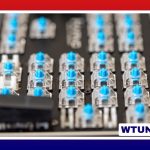
A computer keyboard is an input device that lets people communicate with a computer through physical keys. Pressing a key sends an electronic signal that the computer interprets as a letter, number, symbol, command, or control action. Although keyboards are commonly associated with typing, they also support navigation, shortcuts, media controls, gaming, programming, and many other everyday tasks. If you enjoyed Computer Keyboard Explanation, consult this keyboard features overview for switches, layouts, and connectivity details.
What Is a Computer Keyboard?
In simple terms, a keyboard is a collection of labeled keys connected to a computer. Its main purpose is to convert a user’s actions into digital input. The operating system then determines what each key press means according to the active keyboard layout and the application being used.
Common keyboard functions include:
- Entering letters, numbers, punctuation, and symbols
- Moving through documents, menus, and webpages
- Using shortcuts to perform commands quickly
- Controlling applications, games, and media playback
- Entering data with a numeric keypad
How a Computer Keyboard Works
When a key is pressed, a sensing mechanism detects the movement. Depending on the keyboard, this mechanism may be a mechanical switch, a rubber-dome membrane, or a scissor switch. The keyboard’s controller converts the detected press into a code and sends it to the computer through a connection such as USB or Bluetooth.
The operating system receives that code and maps it to an action. For example, a key may produce a character in a text editor, move the cursor in a document, or trigger a shortcut when combined with another key. Keyboard firmware may also help filter accidental repeated signals, manage simultaneous key presses, and support programmable functions.
Wireless keyboards include additional electronics for radio communication and power management. Laptop keyboards use compact mechanisms and often combine function keys with controls for features such as screen brightness and audio volume.
Types of Keys on a Keyboard
Keyboard layouts vary, but most include several broad categories of keys:
- Alphanumeric keys: Letters, numbers, and commonly used punctuation for text and data entry.
- Modifier keys: Shift, Ctrl, Alt, and similar keys that change the action of another key.
- Function keys: Keys such as F1 through F12 that provide shortcuts within an operating system or application.
- Navigation keys: Arrow keys, Home, End, Page Up, and Page Down for moving through content.
- Command and control keys: Enter, Escape, Backspace, Delete, and the Spacebar.
- Special-purpose keys: Media controls, programmable keys, and other features added for particular users.
- Numeric keypad: A separate group of number and arithmetic keys found on some full-size keyboards.
Keyboard Technologies and Designs
The switch technology affects how a keyboard feels, sounds, and responds. Mechanical keyboards use individual switches beneath the keys and are often selected for their distinct tactile feedback and customization options. Membrane keyboards use a shared layered structure and can provide a quieter, simpler design. Scissor switches, common in laptops, use a low-profile mechanism suited to compact devices.
Important design characteristics include key travel, actuation force, keycap shape, layout, and overall spacing. These details influence typing comfort and responsiveness. Durability can also depend on the construction of the switches and the resistance of the keycaps to wear. For a deeper explanation of keyboard components, explore switch replacement options and their practical benefits.
Keyboard layouts are available in different physical arrangements. A full-size design may include a numeric keypad, while a tenkeyless keyboard leaves it out to save space. Split and other ergonomic designs change the position of the keys to support a different hand and wrist posture. Layout standards such as ANSI and ISO also differ in the placement and shape of certain keys.
Features Found on Modern Keyboards
Some keyboards include backlighting to make keys easier to see in low light. Others offer programmable macros, key remapping, or multiple layers that assign additional actions to the same physical keys. Anti-ghosting and N-key rollover are designed to improve the handling of several simultaneous key presses, which can be useful for gaming and other fast-paced input.
Connectivity is another important distinction. Wired keyboards commonly connect through USB, while wireless models may use Bluetooth or another wireless connection. A wired model avoids battery management, whereas a wireless keyboard can provide a less cluttered workspace. The best choice depends on the user’s workspace, portability needs, and preferred features.
Choosing and Caring for a Keyboard
The right keyboard depends on how it will be used. A general-purpose workstation may benefit from a familiar layout and comfortable keys. Writers and programmers may prefer stable tactile feedback and an arrangement that supports long sessions. Gamers may look for reliable simultaneous-key recognition, programmable controls, and a connection suited to their setup. For mobile work, a thin, compact keyboard may be more valuable than a full-size design.
Before choosing a model, consider the layout, switch type, key spacing, connection method, numeric keypad requirements, and ergonomic preferences. Keeping the keyboard clean and removing keycaps only when appropriate can help maintain its condition. Adjusting operating-system settings for key repeat and shortcuts may also make frequent tasks more comfortable and efficient.
Summary
A computer keyboard combines physical keys, sensing technology, firmware, and a connection to turn human actions into computer input. Its basic role is simple, but differences in key types, switches, layouts, connectivity, and programmable features make keyboards suited to different environments. Understanding these differences makes it easier to select a keyboard for typing, gaming, coding, creative work, or everyday computer use.