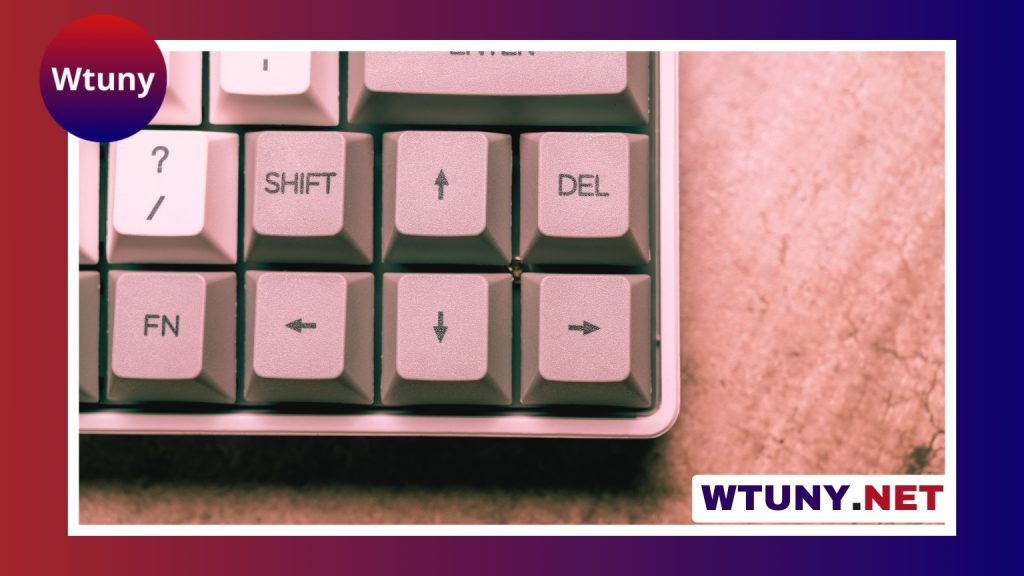
A cream switches keyboard is built around a particular combination of feel and sound: smooth linear keystrokes, a rounded acoustic profile, and a comfortable sense of consistency from one keypress to the next. The word “cream” is often used to describe switches that feel buttery and sound mellow rather than sharp or clicky. It can refer to a specific switch model, such as NovelKeys Cream switches, or more generally to a switch and keyboard combination with those characteristics.
What makes a keyboard feel creamy?
Most cream-style switches are linear. Their stems travel without the tactile bump found in tactile switches and without the click mechanism used by clicky switches. That uninterrupted movement is the main reason they appeal to people who enjoy a smooth, flowing typing experience.
The overall impression depends on more than the switch name. Stem and housing materials, manufacturing tolerances, spring behavior, lubrication, the keyboard plate, and the case all influence the result. A switch with low friction and limited stem wobble is more likely to feel smooth, while the surrounding keyboard determines how full, bright, or muted each keystroke sounds.
Why choose cream switches?
Cream switches suit users who want a refined linear experience without an intentionally loud click. Their sound is often described as low-pitched, rounded, or warm, although the final acoustic profile can change considerably from one build to another.
- Smooth travel: Linear movement can feel quick and consistent for both typing and gaming.
- Reduced sharpness: Their sound may have fewer high-frequency tones than a brighter or clickier setup.
- Flexible use: They can work well in home offices, gaming setups, and recording or streaming environments where a less intrusive sound is desirable.
- Easy to customise: Lubrication, spring changes, films, and case modifications can all alter the feel and sound.
They are not the right choice for everyone. If you depend on a noticeable tactile bump or an audible click to confirm each press, a linear cream switch may feel too smooth or lack feedback.
Choosing the right cream switch
Start by deciding whether you want a named cream switch model or simply the same general character from another linear switch. NovelKeys Cream switches are a well-known reference point in custom keyboard builds, while cream MX-style alternatives may use different materials, springs, or factory lubrication. A switch marketed as “cream” does not guarantee an identical feel across manufacturers, so pay attention to the details rather than the colour or label alone.
Consider these features
- Actuation force: A lighter spring can make repeated presses feel easier, while a heavier spring may provide a more substantial return.
- Stock smoothness: Some switches are supplied pre-lubricated, but the amount and consistency of factory lubrication can vary.
- Housing and stem materials: Different plastics can affect friction, sound, and the perceived depth of the keystroke.
- Stability: Minimal stem wobble contributes to a cleaner feel, especially on larger keycaps.
Building a cream switches keyboard
The switch is only one part of the sound profile. A softer case material, such as polycarbonate, or a silicone-damped mounting approach can help reduce harsh resonance and support a fuller sound. Plate choice also matters. Brass can add weight and resonance, while aluminium may produce a brighter character.
Keycaps, case construction, and the space between the PCB and case can change the result just as noticeably. Foam in that area may reduce unwanted resonance, but it is worth making changes one at a time so you can identify what each modification contributes.
Lubing, filming, and tuning
Applying a thin, even layer of switch lubricant to the appropriate contact surfaces can reduce friction and spring noise. Too much lubricant can make a switch feel sluggish, so consistency is more important than simply using a larger amount. Switch films may help tighten the fit between the upper and lower housings when a switch has noticeable looseness.
Testing a small batch before servicing an entire set is a practical way to compare stock and modified switches. You can also experiment with spring weights or dampening materials if the original actuation force or sound is not quite right.
Maintenance and expectations
Dust and debris can gradually affect smoothness. Keeping keycaps clean and addressing rattles early helps preserve the original experience. If switches become rough or noisy, opening and servicing them may restore some of their feel, although maintenance requires care and patience.
The creamiest keyboard switches are ultimately the result of a balanced build rather than a single specification. Choose a linear switch whose force and stock feel suit you, then pair it with a case, plate, keycap set, and tuning approach that support the sound you want. That combination can produce a comfortable, warm, and consistent keyboard for work, gaming, or everyday typing.