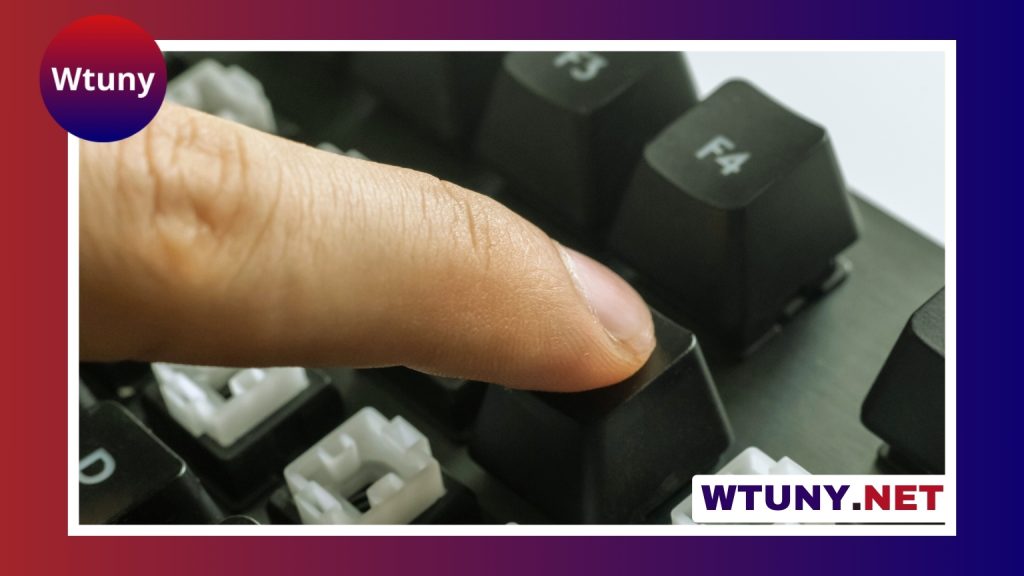
Cherry MX keyboards are often the first name that comes to mind for anyone exploring mechanical keyboards. Built around the original Cherry MX switch family, these keyboards have shaped expectations for feel, durability, and performance for decades. Whether you are shopping for a gaming setup, upgrading your home office, or exploring a higher-quality typing experience, understanding the features and technologies that define a Cherry MX keyboard will help you make a confident choice.
What makes Cherry MX switches distinctive
Cherry MX switches set a long-standing industry standard because of their consistent actuation, long lifespan, and a broad variety of switch types. Designed and manufactured by Cherry, these switches are rated for tens of millions of keystrokes, which gives a Cherry mechanical keyboard a reputation for longevity. The switching mechanism itself differs between linear, tactile, and clicky variants, allowing manufacturers to build keyboards for different preferences. Beyond feel, Cherry MX switch keyboards frequently benefit from solid build quality, reliable stabilizers, and proven electrical designs that support features like N-key rollover and anti-ghosting, both essential for fast, accurate input in gaming and heavy typing sessions.
Popular Cherry MX switch types and how they feel
Choosing between Cherry MX switch types is the most direct way to personalize your typing experience. Linear switches such as Cherry MX Red and Black provide a smooth, uninterrupted travel path and are often favored by gamers who value quick double-taps and rapid actuation. Tactile switches like Cherry MX Brown add a small bump near the actuation point which gives physical feedback without an audible click, making them a versatile option for mixed-use environments. Clicky switches, most famously Cherry MX Blue, combine tactile feedback with an audible click, which many typists enjoy for rhythmic typing but may be too loud for shared workspaces.
There are also specialized variants designed for specific performance needs. Speed or Silver switches reduce travel distance and lower actuation points for ultra-fast response times, while Silent switches include dampening to minimize noise without losing the mechanical feel. For anyone evaluating an mx cherry mechanical keyboard, trying different switch types in person remains the best way to match feel to use case.
Key features to evaluate in a Cherry MX keyboard
When comparing models, focus on features that affect performance, feel, and long-term value. Hot-swappable PCBs let you replace switches without soldering, enabling easy experimentation with different Cherry MX switches or third-party compatibles. Plate material—aluminum, steel, brass, or plastic—changes the keyboard’s flex and acoustic signature; a heavier metal plate often produces a firmer, more resonant sound compared to a flexible plastic plate. Stabilizers under larger keys like spacebar and enter are crucial for an even press; well-tuned stabilizers reduce rattle and wobble.
Keycap material and profile also influence tactile feedback and sound. PBT keycaps resist shine from oils and often produce a deeper, less plasticky tone than ABS caps. A mechanical keyboard with Cherry MX switches is often offered with a variety of keycap sets, allowing you to tailor the look and feel to your preference. Finally, features like full n-key rollover, USB polling rate, and customizable RGB lighting are commonly integrated into cherry mx switch keyboard models that target gamers and power users.
Customization and modding the Cherry MX switch keyboard
One of the advantages of choosing a Cherry MX based board is the thriving modding ecosystem. Enthusiasts often improve sound and feel through lubing switches, which reduces friction and produces a smoother travel. Installing switch films or using different springs can change the sound profile and actuation force, effectively creating a bespoke switch from an existing Cherry MX core. Foam mods inside the case or under the PCB help control resonance and can turn a bright, pingy board into a warm, satisfying instrument for typing.
Keycap replacement is another simple upgrade. Moving from OEM profile ABS caps to Cherry profile PBT caps can alter typing comfort and longevity. For those who want to avoid permanent changes, hot-swap keyboards make it easy to test new switches without soldering—an ideal feature when experimenting with mx cherry mechanical keyboard variations.
Which Cherry MX keyboard is right for your use case
Match your switch choice and keyboard features to how you use the device most. Gamers who prioritize responsiveness and minimal resistance often benefit from linear or speed Cherry MX switches paired with high polling-rate controllers and sturdy plates. Typists and writers may prefer tactile or clicky switches for better feedback, though the audible clicky feel may be disruptive in open offices. For shared workspaces or streaming setups, silent variants and well-lubed stabilizers reduce noise while retaining mechanical performance.
If portability matters, compact form factors like tenkeyless or 60 percent layouts equipped with Cherry MX switches offer a smaller footprint without sacrificing switch quality. Conversely, a full-size Cherry mechanical keyboard with robust stabilizers and premium materials is a solid choice for a stationary desk where ergonomics and a complete numpad are important.
In summary, a Cherry MX keyboard represents a balance of tried-and-true switch engineering, a wide array of tactile profiles, and a strong aftermarket for customization. Whether you call it a cherry mx keyboard, a cherry mx switch keyboard, or are shopping for a mechanical keyboard with Cherry MX components, understanding switch behavior, build characteristics, and modding options will help you select the best board for gaming, typing, or professional use. The right combination of switch type, plate and case material, and peripheral features will deliver a satisfying, long-lasting typing experience tailored to your needs.