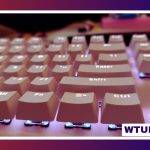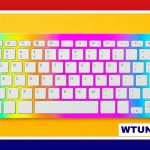
An 80% mechanical keyboard, commonly called a tenkeyless or TKL keyboard, removes the dedicated number pad while keeping most of the layout found on a full-size board. It normally includes the alphanumeric keys, function row, arrow keys, and navigation cluster. The result is a keyboard that takes up less desk space without requiring the major adjustment associated with smaller layouts.
What is an 80% mechanical keyboard?
The defining feature of an 80% keyboard is the absence of the numeric keypad. Most models have around 87 keys, although the exact count and arrangement can vary. The main typing area generally remains familiar, which makes the transition straightforward for anyone accustomed to a conventional office or gaming keyboard.
Not every TKL board uses exactly the same spacing or navigation layout. Some models move keys closer together or change the position of buttons such as Insert, Home, and Page Up. If you depend on particular shortcuts, check the keyboard’s layout diagram before buying.
Why choose a TKL mechanical keyboard?
The main advantage is the balance between functionality and footprint. Compared with a full-size keyboard, an 80% model leaves more room for a mouse and other desk equipment. It can also reduce the distance between the typing area and the mouse, which some users find more comfortable during long work or gaming sessions.
- Familiar layout: The function row, arrow keys, and navigation keys are usually retained.
- More desk space: Removing the number pad creates a narrower keyboard without eliminating the main typing keys.
- Broad usability: The format works well for writing, programming, office work, and gaming.
- Many customization options: Mechanical switches, keycaps, cases, and firmware may be available depending on the model.
The trade-off is simple: entering long strings of numbers is less convenient without a dedicated keypad. Users who regularly work with spreadsheets, accounting software, or data-entry tools may prefer a full-size or 96% keyboard, or they may add a separate numpad.
80% keyboards for gaming and productivity
For gaming, a TKL keyboard provides the standard keys needed by most games while giving the mouse more lateral space. This can be useful for players who use a low mouse sensitivity or make broad mouse movements. The best choice still depends on the individual keyboard’s switch feel, stability, rollover performance, and software features rather than its size alone.
For work and programming, the retained function row and navigation cluster can be especially useful. These keys support common shortcuts, browser controls, development tools, and window-management commands without relying as heavily on function layers. Writers and general office users also benefit from the familiar arrangement.
Switches, keycaps, and construction
Mechanical switches determine much of a keyboard’s feel and sound. Linear switches move smoothly with no tactile bump, while tactile switches provide a noticeable point of feedback during a keypress. Clicky switches add an audible click as well as tactile feedback. None is universally best; the right option depends on whether you prioritize smoothness, typing feedback, sound, or a particular gaming feel.
Keycap material and shape also affect the experience. PBT keycaps are often chosen for their textured surface and resistance to developing a glossy appearance, while ABS keycaps can provide a different finish and sound. Profile refers to the shape and height of the keycaps, so it is important to check compatibility before replacing them.
Custom-build enthusiasts may also choose a different case, plate, stabilizers, or mounting system. Aluminum can add weight and rigidity, while plastics such as polycarbonate may produce a different acoustic character. Before buying replacement parts, confirm that the PCB, plate, case, stabilizers, and key layout are designed to work together.
How it compares with other keyboard sizes
Full-size keyboards
A full-size keyboard includes a dedicated number pad and is usually the most convenient choice for frequent numerical entry. It occupies more horizontal space, however, and may position the mouse farther from the main typing area.
96% keyboards
A 96% layout keeps a number pad while reducing some of the spacing between key groups. It offers much of the functionality of a full-size keyboard in a smaller footprint, although its compact arrangement may take time to learn.
65% keyboards
A 65% keyboard is narrower than a TKL model and typically removes the function row while retaining arrow keys and a small navigation cluster. It saves more space but relies more on function layers and shortcuts.
Separate numpads
A standalone numpad can be a practical compromise. It allows a TKL keyboard to remain compact for ordinary use while providing dedicated numerical keys when needed. It can also be positioned separately to suit a particular desk arrangement.
What to consider before buying
- Confirm whether the layout includes the keys and spacing you use most.
- Choose switches based on desired feel, noise level, and typing habits.
- Check whether the keyboard supports key remapping or programmable layers if that matters to your workflow.
- Review compatibility before purchasing aftermarket keycaps or custom parts.
- Decide whether the loss of a dedicated numpad will affect your work.
An 80% mechanical keyboard is a strong middle-ground choice for anyone who wants a conventional typing layout with a smaller footprint. It preserves the keys most users rely on while leaving room for different switch preferences, keycap styles, and custom-build options.