A dedicated Xbox controller and headset stand is a simple way to keep a gaming area tidy, protect frequently used equipment, and make your setup easier to use. Instead of leaving a controller on the desk or placing a headset where its ear cushions can be crushed, you can give both items a stable, easy-to-reach home. This Xbox controller and headset stand review links to brand and model specifics for mainstream accessory compatibility.
Stands are useful for everyday gaming setups, streaming spaces, shared rooms, and collections that include custom or limited-edition controllers. The right choice depends on your hardware, available desk space, charging preferences, and whether you want the stand to blend in or display your equipment.
Why use a controller and headset stand?
Controllers and headsets are often among the most frequently handled items in a gaming setup. Leaving them on a desk can add to cable clutter, expose them to spills, or allow them to be knocked onto the floor. A stand raises the controller and headset above the work surface while keeping them ready for the next session.
A stand can also make a small gaming area feel more organised. If you have a custom Xbox Design Lab controller, a special-edition model, or other Xbox merchandise, an attractive stand can display it without making the desk look crowded. For households with more than one player, a multi-controller stand can keep shared equipment in one place.
Features worth comparing
Not every stand offers the same level of stability or compatibility. Before buying, consider the following features:
- Stable construction: A weighted or wide base is less likely to tip when you remove a headset or controller.
- Protected contact points: Rubberised or padded areas help reduce sliding and prevent unnecessary contact with painted surfaces.
- Controller compatibility: Check the listed dimensions and supported Xbox generations rather than assuming every Xbox controller fits equally well.
- Charging support: Some stands include USB connections, charging contacts, or space for a charging cable. Confirm that the connection matches your controller and battery setup.
- Headset support: The hook or cradle should support the headset’s headband without sharply bending it or pressing against the ear cushions.
- Cable management: Openings or channels for cables can prevent charging leads from spreading across the desk.
- Footprint and height: Measure the available space, especially if the stand will sit beneath a monitor shelf or beside speakers.
Check compatibility before purchasing
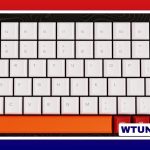
Xbox controllers can differ in shape, balance, and charging arrangement across generations and special editions. A stand advertised for Xbox One may also support an Xbox Series controller, but that should be confirmed in the product details. Older Xbox 360 controllers may require a different cradle or may not align with charging contacts designed for newer models. A compact desk setup pairs the Xbox controller and headset stand neatly with an HP Pavilion keyboard.
Custom finishes and decorative shells deserve extra care. If you own a painted, textured, or limited-edition controller, choose a stand that supports it without placing pressure on sensitive artwork or exposed controls. Adjustable padding can be useful when the controller does not sit securely in a fixed-shaped cradle.
Also check the charging method. A stand may hold a controller successfully while its charging connector does not line up. If charging is important, verify whether the product requires a particular cable, battery pack, adapter, or contact arrangement. A standard storage stand may be the better choice if you prefer to charge controllers separately.
Choosing the right style for your setup
Metal or matte-finish stands often suit a practical desk setup, while clear acrylic designs can keep attention on a special controller. A compact single-controller stand works well beside a monitor, whereas a dual-controller or combined headset stand is more useful for shared spaces.
For a streaming setup, place the stand where it is visible but outside the main area used for a keyboard and mouse. This can turn a custom controller into part of the room’s visual design without sacrificing desk space. If you travel with your equipment, use a suitable gaming case for transport; a desk stand is intended for organised storage, not impact protection.
Placement and maintenance tips
- Place the stand on a level, solid surface rather than an unstable shelf.
- Leave enough clearance to lift the headset and controller out without scraping nearby equipment.
- Keep charging cables routed away from the stand’s base so they do not pull it forward.
- Wipe the stand’s contact points regularly to prevent dust and grime from transferring to the controller.
- Clean headset ear cushions using the care guidance appropriate for their material.
- Do not force a controller into a cradle that feels too narrow or puts pressure on the thumbsticks, buttons, or ports.
Final buying advice
The most suitable Xbox controller and headset stand is not necessarily the largest or most expensive option. Prioritise a secure fit, a stable base, appropriate clearance, and charging compatibility if you need it. A well-matched stand reduces desk clutter, keeps frequently used gear accessible, and provides a safer place to store custom or collectible controllers between sessions.