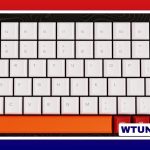
A Surface keyboard can change a tablet-laptop hybrid from a convenient touchscreen device into a more complete work machine. The right model combines comfortable physical keys with a trackpad, touch input, and a portable design that protects the screen when the device is being carried. Because keyboard designs vary considerably, it helps to understand how attachment methods, switches, lighting, connectivity, and power management affect everyday use. Explore Surface keyboard features to understand the specific technologies and switches that shape typing performance.
Attachment and physical design
Many Surface keyboards are designed to work as both an input device and a protective cover. Magnetic connectors and pogo-pin interfaces can secure the keyboard to the tablet while carrying power and data, allowing the accessory to operate without a separate charging cable. Other models connect over Bluetooth and can be used with a wider range of compatible devices.
Construction materials influence both comfort and durability. Fabric-covered folios, plastic frames, and metal components each involve different trade-offs in weight, rigidity, and feel. A keyboard that is too flexible may be less stable during long typing sessions, while a sturdier design can add bulk. Consider how the keyboard will be used: a thin cover may be preferable for commuting, whereas a heavier base may feel more suitable on a desk.
Switches and typing comfort
The key mechanism is one of the most important differences between Surface keyboards. Low-profile scissor switches are common in thin keyboards because they support a compact design, quiet operation, and consistent key movement. Their relatively short travel suits quick note-taking, email, and general productivity.
Some specialized keyboards use low-profile mechanical switches instead. These can provide more pronounced tactile feedback and deeper key movement, which may appeal to writers, power users, or anyone who prefers a more traditional mechanical typing experience. The added mechanism may affect the keyboard’s thickness, weight, and power requirements.
Switch type is only part of the typing experience. Key spacing, keycap firmness, travel distance, and overall rigidity also influence accuracy and fatigue. A compact keyboard saves space, but a more generously spaced layout may be easier to use for extended writing.
Trackpads, touchscreens, and pen input
An integrated trackpad is particularly useful when a Surface device is being used in laptop mode. Multi-touch support can enable actions such as two-finger scrolling, pinch-to-zoom, and three-finger shortcuts. A smooth glass surface may offer more precise cursor control than a basic plastic pad, while different click or haptic designs affect how the trackpad feels under pressure. Surface keyboards can also inspire compact typing layouts for users who prefer a streamlined desk setup.
The physical keyboard does not replace the device’s touchscreen. Instead, the two input methods complement each other. The keyboard and trackpad are efficient for documents, browsing, and navigation, while the touchscreen or an optional stylus can be more natural for drawing, handwritten notes, selecting objects, or making quick edits. If the detachable keyboard is unavailable, the on-screen keyboard provides an alternative for shorter input tasks.
Backlighting and automatic features
Backlighting helps make the keys easier to see in dim surroundings. Depending on the design, a keyboard may offer a fixed illumination level, several brightness settings, or more advanced per-key or zoned lighting. Adjustable brightness can improve visibility without using more power than necessary.
Some keyboards use an ambient light sensor to adjust illumination automatically. Magnetic cover detection can also support sleep and wake behavior when the keyboard is closed or opened. These features reduce the number of manual steps involved in using the device and can help integrate the accessory with the tablet’s power-management behavior.
Connectivity, charging, and portability
Connector-based keyboards typically draw power from the tablet, removing the need for a separate battery. Bluetooth keyboards offer greater flexibility across compatible devices, but they require their own rechargeable or replaceable power source. Charging arrangements differ, including USB-C and proprietary magnetic systems, and some designs allow the tablet and keyboard to be powered together.
Battery considerations matter most for users who work away from a desk. Look at the charging method, expected operating pattern, and whether carrying an additional cable is acceptable. Weight, folding behavior, and screen protection are equally important. A folio that closes around the keyboard can simplify transport, while a rigid design may provide a more stable typing platform.
Choosing a keyboard for your workflow
- Students and mobile professionals: A lightweight folio, quiet scissor switches, dependable connectivity, and practical battery life support note-taking and email.
- Writers and frequent typists: Key spacing, firm construction, and a tactile low-profile mechanical option may matter more than the thinnest possible design.
- Creatives: A responsive trackpad, touchscreen access, and compatibility with pen-based work can make switching between typing, navigation, and drawing easier.
- Gamers: Stable connections and comfortable keys are useful, although conventional gaming keyboards may provide a broader selection of gaming-specific controls.
Finding the right balance
The best Surface keyboard is the one that matches the way you use the device. Prioritize portability if the keyboard will travel daily, or choose rigidity and a stronger typing feel for extended desk work. Then compare the switch design, trackpad, backlighting, attachment method, and charging requirements. Understanding these technologies makes it easier to choose a keyboard that complements touch and pen input instead of treating them as separate workflows.