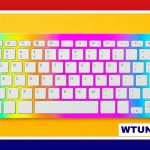
A standard full-size computer keyboard is built around a familiar arrangement of typing, control, navigation, and number-entry keys. Once you understand what each section does, everyday tasks such as editing documents, switching applications, entering figures, and using shortcuts become faster and easier. To expand beyond key functions, consult our overview of computer keyboard types and the common keyboard layout.
What is a standard keyboard?
A standard keyboard usually refers to the full-size layout commonly used with desktop computers. Its keys are grouped into areas that serve different purposes:
- Alphanumeric keys: Letters, numbers, punctuation marks, and symbols used for typing.
- Function keys: The F1 through F12 keys along the top of the keyboard.
- Modifier keys: Keys such as Shift, Ctrl, Alt, and the Windows key that change the action of another key.
- Navigation and editing keys: Home, End, Page Up, Page Down, Insert, Delete, and the arrow keys.
- Numeric keypad: A separate number pad with arithmetic operators for rapid data entry.
This consistent layout makes it easier to move between different applications and use familiar keyboard commands without relying entirely on a mouse.
How many keys does a standard keyboard have?
The exact number depends on the model and which extra keys are included. A typical Microsoft Windows full-size keyboard has 104 or 105 keys. This count generally includes the main typing area, 12 function keys, navigation controls, modifier keys, and a numeric keypad.
Other formats use different counts. A tenkeyless keyboard removes the numeric keypad and often has about 87 keys, while compact keyboards may omit or combine additional sections. Gaming and specialist keyboards can include programmable, media, or macro buttons. When comparing keyboards, check the manufacturer’s specifications rather than relying on the word “standard” alone.
Common keyboard key names and their functions
Typing and text-editing keys
- Letter and number keys: Enter text, numbers, and commonly used symbols.
- Spacebar: Inserts a space between words.
- Enter: Creates a new line in many text fields or confirms a command.
- Backspace: Deletes the character to the left of the cursor.
- Tab: Moves between fields or inserts an indentation, depending on the application.
- Caps Lock: Keeps letter input in uppercase until switched off.
- Shift: Produces uppercase letters or the alternate symbol on a key when held down.
Control and shortcut keys
Ctrl, Alt, and the Windows key are commonly used with other keys to perform commands. For example, Ctrl+C usually copies selected content, Ctrl+V pastes it, and Alt+Tab switches between open applications. Shortcut behavior can vary between operating systems and software, but modifier keys are central to efficient keyboard use.
Function keys
The F1–F12 row provides commands that depend on the operating system or application. In many environments, F5 refreshes a page or view, F2 is associated with renaming a selected file, and F11 may activate or leave a full-screen view. Laptop keyboards and some specialized models may assign additional hardware functions to this row. Check the HP keyboard layout for Hewlett Packard models that deviate slightly from standard keyboard keys.
Navigation and numeric keys
Arrow keys move a cursor or selection. Home and End commonly move to the beginning or end of a line, while Page Up and Page Down move through longer documents or pages. Delete removes the character or item ahead of the cursor or selection.
The numeric keypad mirrors many number and arithmetic keys found elsewhere on the keyboard. It is particularly useful for entering figures, calculations, inventory details, or other structured numerical data. Num Lock determines whether the keypad operates primarily as a number pad or provides navigation functions on keyboards that support that arrangement.
Why keyboard knowledge improves productivity
Learning a small set of key names and shortcuts can reduce repeated mouse movement and make common tasks more consistent. Office users may benefit from the numeric keypad, programmers often depend on punctuation and navigation keys, and creative-software users frequently use shortcuts to speed up repetitive commands. Gamers may also remap keys or use programmable buttons, although those features are not part of every standard keyboard.
Maintenance and keyboard selection
Dust and debris can cause keys to feel sluggish or stick. Clean the keyboard regularly using a method appropriate for its design, and avoid spilling liquids into the key area. Mechanical keyboards with removable keycaps may allow more thorough cleaning when handled correctly.
When choosing a replacement, consider the tasks that matter most:
- Choose a full-size model if you regularly use the numeric keypad.
- Choose a tenkeyless or compact layout if desk space and portability are priorities.
- Look for backlighting or dedicated media controls if those features suit your routine.
- Consider an ergonomic design if comfort and hand position are important.
- Check the layout carefully if you need a particular key arrangement or operating-system controls.
Understanding standard keyboard keys makes it easier to select the right layout, troubleshoot input problems, and work more efficiently. A full-size keyboard remains a practical choice when you need familiar controls, quick navigation, and a dedicated number pad in one device.