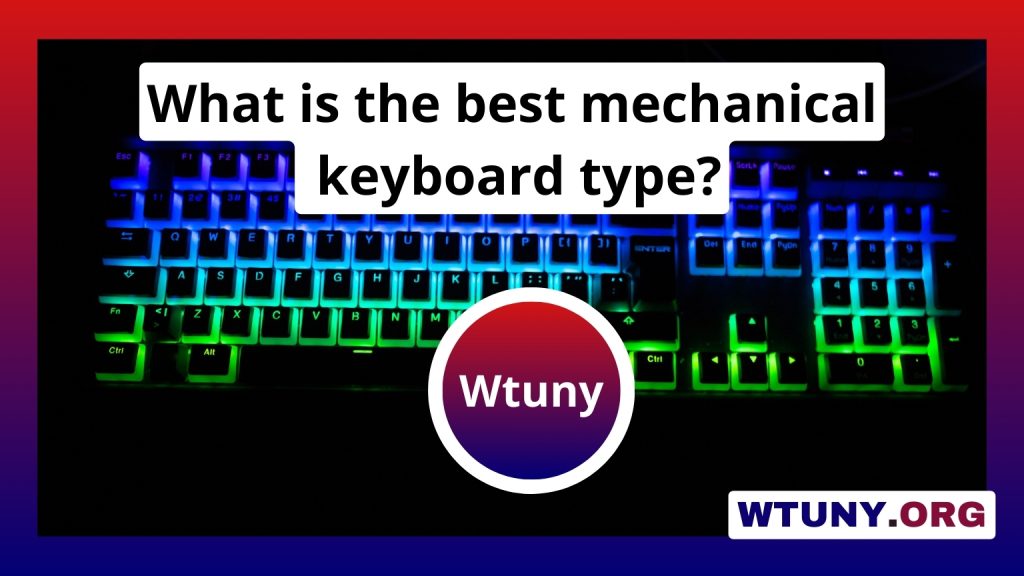
When exploring mechanical keyboard types, one of the most common debates is qwerty vs dvorak. These two keyboard layouts represent different philosophies about efficiency, ergonomics, and history. For buyers or hobbyists deciding which layout to use on a mechanical keyboard, understanding the differences, real-world impacts, and practical considerations helps make a confident choice.
Origins and design goals: QWERTY’s history versus Dvorak’s intent
The qwerty layout was designed in the 19th century to solve mechanical problems with typewriters, placing frequently used letter pairings apart to reduce key jams. Over time that design became the de facto standard and spread worldwide through training, education, and software. The Dvorak layout, created in the 1930s by August Dvorak, aimed to reduce finger travel, place the most common letters on the home row, and balance load between hands. Understanding those different goals explains why the two layouts feel and perform differently in practice.
How the layouts differ on a mechanical keyboard
On a mechanical keyboard the physical hardware can be identical while the logical layout changes. QWERTY places common letters like E, T, A in locations optimized for historical use, while Dvorak relocates those letters to minimize finger movement. That means the same set of keycaps can serve either layout if the firmware or operating system mapping is changed. For many mechanical keyboard types, remapping is handled by onboard firmware such as QMK, VIA, or through the OS keyboard settings, which makes experimenting with different layouts simple for hobbyists and typists alike.
Performance, ergonomics, and the learning curve
Debates over qwerty vs dvorak often center on typing speed and ergonomics. Laboratory studies and anecdotal reports show Dvorak can reduce finger travel and may feel more comfortable for long typing sessions, potentially lowering fatigue and repetitive strain. However, gains vary widely between individuals. Many experienced QWERTY typists see only modest speed increases after switching, and the time required to relearn muscle memory can be substantial. For those who type professionally for hours every day, investing time in learning Dvorak might pay off; for casual users, staying with QWERTY may be more practical.
Practical use cases: who benefits from each layout
Different mechanical keyboard users will prefer different layouts. Writers and transcriptionists who aim to optimize for long bursts of typing might favor Dvorak for its emphasis on the home row and reduced lateral finger movement. Programmers often prefer QWERTY because many programming symbols and shortcuts are arranged with QWERTY in mind; common development tools and tutorials assume QWERTY locations for characters and shortcuts. Gamers generally remain on QWERTY because in-game controls, macros, and community-wide conventions typically assume that layout. In shared or public settings, QWERTY is more convenient because other users expect it on a shared machine.
Switching layouts on mechanical keyboards: practical steps and considerations
Changing from qwerty to dvorak on a mechanical keyboard can be as simple as selecting a new layout in operating system settings. For enthusiasts who want the change to travel with their keyboard, flashing custom firmware like QMK or using remapping tools allows the keyboard to present Dvorak directly to the host computer. Physical keycaps are another consideration: most keycap sets are labeled for QWERTY, and if you switch to Dvorak you may have to cope with mismatched legends or buy blank keycaps. Hot-swappable switches, programmable layers, and open-source firmware have made layout experimentation easier within the broader category of mechanical keyboard types.
Compatibility and multi-device use
If you regularly use multiple devices, remember that switching layouts can create friction. Changing the layout in the operating system is device-specific, so when you move between computers you may need to adjust settings. Using hardware remapping on the keyboard itself smooths this transition, but that requires a programmable model. For environments where others need to use your keyboard, a hardware-level Dvorak layout can be jarring for visitors and colleagues.
Cost, community support, and availability
The ecosystem around a layout matters. QWERTY is universally supported by software, tutorials, and printed keycap sets. Community support, shortcut conventions, and troubleshooting resources assume QWERTY by default. The phrase dvorak keyboard vs qwerty appears in forums and guides for people comparing real-world experiences, and you’ll find pockets of enthusiastic Dvorak users offering migration tips. Mechanical keyboard manufacturers occasionally produce sets or wrist rests aimed at alternative layouts, but the mainstream market still favors QWERTY for mass-produced keycap legends and accessories.
Which one should you choose?
Deciding between qwerty and dvorak depends on priorities. If you value compatibility, immediate productivity, and community norms, QWERTY is the pragmatic choice. If you type professionally, suffer from discomfort, or enjoy experimentation and long-term efficiency gains, trying Dvorak on a programmable mechanical keyboard can be worthwhile. Many mechanical keyboard hobbyists adopt a hybrid approach: experiment with Dvorak on a secondary keyboard or use it as a secondary layer while keeping QWERTY for gaming and shared machines. That way you can assess real ergonomic benefits without disrupting day-to-day workflows.
qwerty vs dvorak is not just a technical comparison; it’s a personal one that intersects with how you type, work, and interact with others. Mechanical keyboard types provide the hardware flexibility to try either layout with minimal investment, especially if you choose a programmable board. Ultimately, choose the layout that best aligns with your comfort, efficiency goals, and the practical realities of your computing environment.