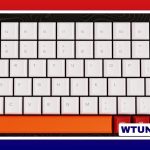
A gel wrist rest for a keyboard is a simple way to make a typing setup more comfortable. It provides a cushioned surface in front of the keys, gives your hands somewhere to rest during pauses, and can help you maintain a more natural relationship between your hands and forearms. The right model should support your workstation without forcing your wrists into an elevated or awkward position. Consider wrist rest options like gel pads to enhance comfort among common keyboard peripherals and aids.
What a gel wrist rest does
Most keyboard wrist rests contain a gel or gel-like polymer core covered with fabric, vinyl, leatherette, or another smooth material. The filling conforms slightly under pressure and returns to shape, offering a different feel from ordinary foam. Many models also have a non-slip underside to prevent movement as you type.
A wrist rest is best viewed as a support for relaxed moments rather than a surface to press against continuously while typing. Resting heavily on the front of the wrist can create pressure and may encourage an awkward hand position. During active typing, keep your hands light and let your fingers move freely.
Choosing the right size and shape
Start with your keyboard’s width and layout. A wrist rest that matches the keyboard will provide more consistent support and look less crowded on the desk.
- Full-size keyboards: Choose a longer rest that covers the main typing area and, if needed, the number-pad side.
- Tenkeyless keyboards: A shorter model can align neatly with the compact layout without taking up unnecessary desk space.
- 60% and other compact keyboards: Look for a narrow rest designed for the reduced width of the keyboard.
- Ergonomic or split keyboards: Check the shape and angle carefully; a standard straight pad may not suit the design.
Height is just as important as width. A pad that is too low may provide little cushioning, while one that is too thick can raise the wrists and bend the hands upward. Compare the rest’s height with the front edge of your keyboard and consider whether your hands remain relaxed when they are resting on it.
Features worth considering
Cover material
A smooth, durable cover is easier to wipe clean and should not catch on your skin or sleeves. Fabric can provide a softer feel, while vinyl and leatherette are often convenient for quick cleaning. If you type for long periods, comfort and breathability may matter more than appearance alone.
Stability
A non-skid base helps keep the wrist rest aligned with the keyboard. This is particularly useful on smooth desks or in setups where the keyboard is moved frequently. A stable pad should stay in place without requiring constant adjustment.
Single or matching set
If you use a mouse for extended periods, a matching keyboard and mouse wrist-rest set can give both hands a similar level of cushioning. The mouse rest should not force your hand higher than the keyboard side, so check the height of both pieces rather than choosing only by color or design. A supportive gel wrist rest can also improve comfort during extended piano keyboard setup and practice sessions.
Setting up your wrist rest
Place the gel rest directly in front of the keyboard, close enough that your hands can reach it without stretching. When your hands are relaxed, aim for a position in which your forearms are roughly level and your wrists are not sharply bent upward or sideways.
During typing, avoid leaning your full body weight onto the pad. Let the wrist rest support your hands lightly between bursts of activity, and keep your shoulders relaxed. Keyboard height, chair position, and desk depth also affect wrist comfort, so changing the pad alone may not solve an uncomfortable setup.
Regular movement is useful during long sessions. Brief pauses to relax your hands, change position, and move your fingers or wrists can help prevent stiffness. If you experience persistent pain, numbness, weakness, or other concerning symptoms, stop relying on the accessory as a solution and seek appropriate medical advice.
Cleaning and replacing a gel wrist rest
Follow the manufacturer’s cleaning instructions where available. For a wipeable cover, use a soft cloth and mild soapy water, then allow the surface to dry fully. Avoid harsh solvents, abrasive cleaners, and excessive heat, which may damage the cover or gel filling.
Inspect the pad occasionally for splits, leakage, unusual odor, or a damaged underside. A wrist rest with a broken cover should be replaced rather than repaired with a material that could irritate the skin or make the surface unstable.
Is a gel wrist rest right for you?
A gel wrist rest can be a practical addition to an office desk, home workstation, gaming setup, or external laptop keyboard. The best choice depends on your keyboard’s layout, the height of your existing equipment, and the type of surface you find comfortable. Select a stable pad with an appropriate height, use it as light support rather than a brace, and combine it with sensible desk positioning and regular breaks.