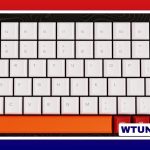
A computer key may be small, but it is the part of a keyboard that connects your actions to the computer. Pressing a key can enter a character, trigger a command, move through a document, or activate a shortcut. The design beneath each key affects how it feels, how much noise it makes, and how easily it can be repaired or replaced.
Understanding the parts of a computer key makes it easier to choose replacement keycaps, maintain a keyboard, or select accessories that suit your work, gaming, or typing habits.
What Makes Up a Computer Key?
The visible part of a key is usually called the keycap. It contains the printed or molded letter, number, symbol, or function label. Under the keycap is a stem or mounting point that connects it to the keyboard’s switching mechanism.
The mechanism varies according to the type of keyboard:
- Mechanical keyboards: Each key normally uses an individual switch containing a spring and electrical contacts.
- Membrane keyboards: A flexible membrane and dome switch register the press when the key is pushed down.
- Laptop keyboards: Low-profile keys commonly use scissor mechanisms to provide stability in a compact design.
Wide keys, including the spacebar, Shift, and Enter keys, often use stabilizers. These supporting parts help the key move evenly instead of tilting when it is pressed away from its center.
Common Groups of Keyboard Keys
Although layouts differ between keyboards, most standard models organize keys into familiar groups:
- Alphanumeric keys: Letters, numbers, and punctuation used for everyday typing.
- Function keys: The row commonly labeled F1 through F12, which can perform software or system commands.
- Modifier keys: Shift, Control, Alt, and similar keys used with other keys for shortcuts.
- Navigation keys: Arrow keys, Home, End, Page Up, Page Down, and related controls.
- Numeric keypad: A separate number-entry section found on many full-size desktop keyboards.
Desktop keyboards generally provide more space for standard-height keys and may allow individual keycaps or switches to be replaced. Laptop keyboards prioritize a thin profile and compact construction, so their key parts are usually more specific to the device model.
How Different Key Mechanisms Feel
The switch or mechanism beneath a key determines its travel, resistance, sound, and point of actuation. Mechanical switches provide separate mechanisms for individual keys and may offer a tactile bump, a smooth press, or an audible click. This variety allows users to choose a typing feel that matches their preferences.
Membrane and dome-switch keyboards use a shared flexible layer beneath the keys. They are often quieter and economical, while their feel may be softer or less distinct than that of a mechanical keyboard. Scissor switches, frequently used in laptops, keep the key stable while allowing the keyboard to remain thin.
These differences matter when selecting a keyboard for long periods of writing, gaming, data entry, or general computer use. Comfort depends not only on the key itself but also on the keyboard’s layout, key spacing, and overall position.
Replacing or Repairing a Computer Key
On many desktop keyboards, a loose or damaged keycap can be removed with a keycap puller and replaced without changing the entire keyboard. Mechanical keyboard owners may also replace switches, stabilizers, or complete keycap sets, depending on the keyboard’s construction.
Before ordering a replacement, check the following:
- The keyboard brand and model.
- The key’s size and shape.
- The mounting style and stem design.
- Whether the key uses a stabilizer.
- Compatibility with the existing keycap profile and layout.
Laptop key repairs require more care. Keycaps, scissor clips, and rubber domes can differ between models, even when the keys look similar. A replacement may involve fitting a keycap or scissor mechanism, while more serious damage may require professional service or replacement of the entire keyboard assembly.
Cleaning and Maintaining Keyboard Keys
Dust, crumbs, and other debris can interfere with key movement and make a keyboard feel uneven. Regular, gentle cleaning can help preserve the keys and the mechanism beneath them.
- Disconnect a desktop keyboard or turn off the computer before cleaning.
- Use short bursts of compressed air to move debris from between keys.
- Wipe key surfaces with a suitable soft, lightly damp cloth.
- Remove desktop keycaps only when the keyboard design allows it safely.
- Take extra care with laptop keys, whose clips can be fragile.
Avoid forcing a key that is sticking or has become detached. Inspecting the cap, stem, stabilizer, and switch can help identify whether cleaning, a small replacement part, or a complete repair is appropriate.
Customization and Helpful Accessories
Computer keys can also be changed for comfort, accessibility, or appearance. Mechanical keyboard users may choose replacement keycaps made from different materials, profiles, colors, or textures. High-contrast legends and larger key surfaces can make important keys easier to identify.
Other useful keyboard accessories include wrist rests, keycap pullers, cleaning tools, replacement stabilizers, protective covers, and separate numeric keypads. Programmable keyboards and remapped keys can reduce repetitive actions by assigning frequently used commands to convenient locations.
Whether you are replacing one damaged key, improving a laptop’s protection, or building a more personalized desktop setup, the key’s mechanism and mounting design should guide your choice. A compatible replacement can restore reliable input without requiring an entirely new keyboard.