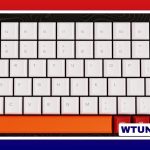
A budget wireless keyboard and mouse can make a desk feel less cluttered without requiring a significant investment. The right combination should be comfortable for everyday typing, dependable during long work sessions, and suited to the devices and tasks you use most often.
There is no single best set for everyone. A full-size keyboard may be ideal for spreadsheets, while a compact model is easier to carry with a laptop. Some users need Bluetooth for switching between devices; others will prefer the simple plug-and-play experience of a USB receiver. The key is to identify the features that matter most before comparing prices.
Start with the connection type
Most wireless keyboard and mouse combinations use either a 2.4 GHz USB receiver, Bluetooth, or both.
- 2.4 GHz wireless: Usually connects through a small USB receiver and is straightforward to set up on a desktop or laptop with a compatible USB port. It is a practical choice when you want a consistent connection without pairing menus.
- Bluetooth: Connects directly to compatible laptops, tablets, and phones, which can be useful when you want to avoid a receiver. It is particularly convenient for mobile and multi-device workflows.
- Dual connectivity: Some sets support both options, giving you more flexibility when moving between a computer and a mobile device.
Check the connection requirements of your computer before buying. A USB-receiver model may be less convenient for a device with limited ports, while Bluetooth may not be available on every desktop setup.
Battery life and charging
Battery performance depends on usage, the keyboard and mouse design, and the effectiveness of their power-saving features. Many affordable sets are designed to run for months, while others use rechargeable batteries and need periodic charging.
Automatic sleep modes can help extend battery life when the keyboard and mouse are idle. Rechargeable models can reduce the need to keep spare disposable batteries available, especially if the set charges through a commonly used cable. However, consider how charging fits your routine: a long-lasting replaceable-battery model may be more convenient if you do not want to recharge the devices regularly.
Choose a keyboard that suits your work
Keyboard layout has a greater effect on productivity than many extra features. A full-size keyboard with a numeric keypad is useful for spreadsheets, accounting, and frequent data entry. Tenkeyless and compact keyboards free up desk space and are easier to pack for travel, but they remove or combine some keys.
Key feel is equally personal. Membrane keyboards are common in affordable wireless sets, while low-profile scissor switches can provide a quieter, more stable feel similar to a laptop keyboard. Pay attention to key travel, spacing, and noise if you will be typing near other people or working for several hours at a time.
Useful features may include dedicated function keys, media controls, indicator lights, and spill resistance. These additions can be worthwhile for office use, but they should not outweigh basic comfort and compatibility.
Find a mouse that feels comfortable
A mouse should fit your hand naturally and remain comfortable during repeated use. Look for a shape that matches your grip and provides enough support without forcing your fingers into an awkward position. Textured side areas can make the mouse easier to control, while an ambidextrous design may suit shared workstations or users who switch hands.
Adjustable DPI settings are useful when you want to change pointer speed for different tasks. Customizable buttons can also help with frequently used commands, although they are not essential for basic office work. Smooth tracking and a dependable scroll wheel are generally more important than a long list of extra controls.
Match the set to your main use case
Office and home productivity
For documents, email, and spreadsheets, prioritize a comfortable keyboard, a numeric keypad if needed, and a mouse that tracks accurately. Quiet keys are helpful in shared rooms, while a reliable USB receiver can simplify setup on a dedicated desktop.
Remote and multi-device work
If you regularly move between a laptop, tablet, or phone, Bluetooth support may be more valuable than a full-size layout. A compact keyboard and smaller mouse are easier to move between workspaces.
Travel
Travel-focused setups should be lightweight and easy to store. Compact keyboards and ambidextrous mice take up less room in a laptop bag, although the smaller layout may require an adjustment period.
Casual gaming
A budget wireless set can be suitable for light or casual gaming where convenience matters more than specialist performance. Players who need highly responsive controls for competitive gaming may prefer equipment designed specifically for that purpose.
How to make the final choice
Before buying, rank your priorities: connection type, keyboard size, typing feel, mouse shape, charging method, and price. Do not pay extra for features you will not use, but avoid compromising on comfort if you spend many hours at the desk.
It is also worth checking the return policy, warranty, and user feedback about connection stability, battery performance, and long-term durability. The best budget wireless keyboard and mouse is not necessarily the one with the most features. It is the pair that fits your devices, supports your daily workflow, and remains comfortable enough to use consistently.