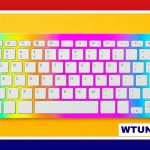
Choosing a first piano or keyboard is an important decision. The right instrument should make regular practice inviting, support healthy technique, and suit the learner’s space, budget, and musical goals. A child exploring music may need something different from an adult who hopes to study classical pieces or a student who needs a portable instrument. If you're starting with a great beginner piano, these keyboard buying tips help choose the right instrument.
There is no single best beginner piano for everyone. The most useful choice is the one that offers an appropriate playing experience without adding unnecessary complexity or cost.
Digital piano, electronic keyboard, or acoustic piano?
For many beginners, a digital piano or electronic keyboard is the most practical starting point. Digital instruments are generally easier to place in a home, can be used with headphones, and may include features such as a metronome, recording functions, built-in sounds, or lesson modes. They are also convenient for learners who need to move or practise in different locations.
An acoustic piano provides the traditional piano experience, including its distinctive touch and tone. However, it requires more space and regular tuning. It may be a good fit when the learner has a suitable room and is committed to developing on an acoustic instrument, but it is not always the simplest option for a first-time player.
When comparing digital instruments, consider the action as well as the sound. A keyboard with weighted or semi-weighted keys can provide a closer approximation to an acoustic piano and may be especially suitable for learners interested in classical technique. Lighter, synth-style keys can be perfectly practical for basic learning, pop, songwriting, and portable practice.
Features that matter most for beginners
It is easy to be distracted by large sound libraries and elaborate controls. For a first instrument, concentrate on the features that directly affect playing and practice.
- Touch sensitivity: The volume and character of a note should respond to how firmly the key is played. This helps beginners start developing control and musical expression.
- Key count: An 88-key instrument matches the full range of a traditional piano. A 61-key keyboard is more compact and can be sufficient for early lessons and simpler repertoire.
- Key action: Weighted keys are useful for learners who want to build piano technique, while semi-weighted or lighter actions may better suit portability and general music making.
- Sustain-pedal input: A pedal connection allows the student to learn phrasing and sustain in a more complete way.
- Polyphony: At least 32-note polyphony can help prevent notes from cutting off during fuller passages or when using the sustain pedal.
- Headphone output: Quiet practice is valuable in shared homes and apartments, particularly when the student is repeating an exercise.
- USB-MIDI or other connectivity: These connections can support recording setups or learning applications that work with a keyboard.
- Simple controls and solid construction: A dependable, easy-to-use instrument lets the beginner focus on playing rather than troubleshooting.
Choosing by learner and playing situation
For children starting out
A compact 61-key electronic keyboard may be a sensible introduction for a child who is still discovering whether they enjoy music. Built-in songs and lesson functions can add interest, but they should support—not replace—basic instruction and regular playing.
For adults and serious beginners
An adult beginner who expects to continue learning may prefer an 88-key digital piano with weighted keys. Although it can cost more and take up more room than a compact keyboard, the full range and more piano-like action can make it a stronger long-term choice. Piano learners may also appreciate responsive mechanical keys for writing, studying, and composing comfortably during home practice sessions.
For small spaces and travel
A lightweight portable keyboard is useful for learners who move often or have limited room. Before buying, check whether the stand, bench, pedal, and power supply are included or need to be purchased separately.
For songwriting and computer-based music
If composition or MIDI work is a priority, connectivity and access to different sounds may matter more than a full weighted action. Even so, touch sensitivity and a comfortable layout remain worthwhile for building good playing habits.
Set up the instrument for productive practice
Place the keyboard on a stable stand at a height that allows relaxed shoulders, comfortable wrists, and a balanced seated posture. A suitable bench is preferable to a chair that is too high or too low. Add a sustain pedal early, since it is part of ordinary piano technique rather than an optional special effect.
A metronome can help develop a steady sense of timing. Beginners should also give attention to scales, sight-reading, simple pieces, and controlled hand movements instead of relying only on automated lesson features. Structured lessons—online or in person—can provide direction, while apps and tutorials may be useful additions for self-learners.
Make the choice with long-term use in mind
The best beginner piano balances present needs with likely progress. A low-cost keyboard may be appropriate for an uncertain beginner, while an 88-key weighted digital piano may be the better investment for someone committed to piano study. Think about available space, noise limitations, desired style of music, and whether the instrument will still feel useful after the first few months.
Whichever type you choose, consistent practice matters more than a long list of extra functions. A comfortable, reliable instrument removes barriers to playing and gives the learner a practical foundation for continued musical growth.