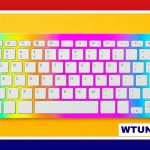
Wooting keyboards stand out because they treat keypresses as more than simple on-or-off commands. Their analog sensing can detect how far a key is pressed, while software lets users adjust actuation points and assign different actions to the same key. This combination is useful for competitive gaming, simulation controls, creative applications, and anyone who wants more control over how a keyboard responds. If you like Wooting, check other keyboard brands for different switch types, layouts, and features.
If you are searching for keyboards like Wooting, the right choice depends on whether you need true variable input, adjustable actuation, extensive software controls, or simply a similar fast and customizable typing experience.
What makes Wooting keyboards different?
Traditional mechanical keyboards generally register a key at one fixed point. Analog-capable keyboards can instead report the position of a key through its travel. That makes it possible to use a key like a gradual control rather than a binary switch.
For example, an analog key can provide more precise steering or throttle input in a driving simulator. In a game, adjustable actuation can let a key register earlier or later depending on the player’s preference. Some configurations also support two-stage actions, where a light press performs one command and a deeper press performs another.
Software is an equally important part of the experience. A configuration tool may allow you to remap keys, create profiles for individual games, change actuation settings, and assign macro layers. Without those controls, advanced sensing technology may be difficult to use in everyday workflows.
Features to compare in Wooting alternatives
Before choosing a replacement, separate the features you consider essential from those that are merely desirable. Important comparison points include:
- Input technology: Look for analog sensing, Hall effect hardware, optical analog switches, or adjustable mechanical switches, depending on the type of control you want.
- Actuation adjustment: Check whether actuation can be changed for individual keys or only for the keyboard as a whole.
- Configuration software: Profiles, remapping, macros, rapid setting changes, and firmware support can have a major effect on usability.
- Latency and compatibility: Confirm that the keyboard works with your operating system and fits the response requirements of your games or applications.
- Typing feel: Switch weight, smoothness, noise, stabilizers, and keycap quality all influence long-term comfort.
- Layout and construction: Consider the size of the board, case materials, available wrist support, and whether the design suits your desk.
Notable keyboards and categories to consider
Razer Huntsman V2 Analog
The Razer Huntsman V2 Analog is a mainstream option for users interested in variable actuation and analog-style input. Its optical analog switches support adjustable actuation, while Razer’s Synapse software provides per-key configuration and profile controls. It may appeal to buyers who prefer a major-brand ecosystem, integrated software, and a full-size keyboard format.
SteelSeries Apex Pro
The SteelSeries Apex Pro takes a different approach with adjustable OmniPoint switches. Users can set how far keys need to travel before registering, making it possible to prioritize a lighter, faster response or a deeper, more deliberate press. It is worth considering when adjustable actuation matters more than reproducing every aspect of Wooting’s analog behavior.
Custom and enthusiast-built keyboards
Custom keyboard projects provide another route. Depending on the PCB, switches, firmware, and case, a custom build can be designed around analog sensing or adjustable actuation. This approach offers greater control over layout, stabilizers, keycaps, switch feel, and sound, but it usually requires more research and setup than a prebuilt board. Pair Wooting-style keyboards with MX Master ergonomics for a more comfortable, responsive productivity setup.
For a simpler purchase, search specifically for keyboards described as analog-capable or adjustable-actuation. Verify the exact features rather than assuming that every optical or Hall effect keyboard offers the same type of input control.
Where analog keyboards are most useful
Analog input is particularly helpful when a gradual response is more useful than a conventional keypress. In driving and flight simulators, keys can be assigned to controls such as throttle, steering, or rudder input. This can provide smoother control than repeatedly tapping a digital key.
Competitive first-person shooter players may prefer adjustable actuation because it allows them to tune movement keys to their own habits. A low actuation setting can feel more immediate, while a higher setting may help prevent accidental presses. The best setting is personal and should be tested in the games you actually play.
Creative software can also benefit from variable input. Analog keys may offer more nuanced control for actions such as timeline scrubbing, parameter adjustments, or brush-related functions, provided the application supports the relevant input behavior. Adjustable actuation can also be useful for people who find deep or forceful keypresses uncomfortable.
Choosing between Wooting and another keyboard
Choose Wooting if its particular combination of analog behavior, software controls, and form-factor options matches your priorities. A mainstream alternative may be a better fit if you prefer a specific layout, RGB ecosystem, warranty structure, or switch feel.
Custom boards are most attractive to enthusiasts who value upgradeability and detailed personalization. Prebuilt alternatives are generally easier to install and configure, while custom solutions require closer attention to firmware, switch compatibility, and software support.
Before buying, check how profiles are switched, which keys support advanced functions, how firmware updates are handled, and whether the configuration software is available for your operating system. Comparing those practical details will help you find a keyboard like Wooting that delivers the control you actually need rather than simply matching a feature list.