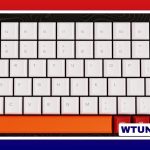
“Duck keyboard” usually refers to a mechanical keyboard made by Ducky Channel. The brand is known for concentrating on the fundamentals: dependable mechanical switches, durable keycaps, practical layouts, and configuration options that can often be managed directly from the keyboard. Instead of making software the centre of the experience, Ducky keyboards generally appeal to people who want a board that works consistently across different computers. Explore Duck mechanical keyboards to compare unique layouts and features across other keyboard brands.
What makes a Ducky keyboard different?
Ducky’s appeal comes from its straightforward approach to mechanical keyboards. Many models are available with established switch types, including Cherry MX and equivalent options, so buyers can choose a key feel that suits their work or play style. The brand also places considerable emphasis on keycap quality, with PBT keycaps and carefully designed legends appearing on many models.
A Ducky keyboard is not defined by one particular size or feature set. The range includes compact boards, tenkeyless layouts, and full-size keyboards. This makes the brand relevant to users who need a number pad, as well as those who want to reduce the amount of desk space used by their keyboard.
Build quality and typing experience
Mechanical switches are only one part of a keyboard’s feel. The keycaps, stabilizers, case, and internal mounting all influence how solid and consistent the board feels during use. Ducky keyboards are designed around this complete typing experience, with sturdy construction and keycaps intended to withstand regular handling better than softer keycap materials.
PBT keycaps are especially attractive to people who type frequently because they are less prone to developing a glossy surface from wear. The exact case material, plate construction, stabilizer tuning, and sound will vary between models, so buyers should check the specifications of the particular keyboard rather than assuming every Ducky board is identical.
Onboard controls and software-free customization
One of the brand’s practical strengths is onboard configuration. Depending on the model, users may be able to remap keys, create macros, adjust layers, or control lighting with keyboard shortcuts. These settings are stored on the keyboard rather than requiring a permanent configuration program on the computer.
This approach is useful for people who move between machines, work in environments where software installation is restricted, or simply prefer not to maintain another background application. It can also make a keyboard easier to carry between home, work, and gaming setups. The available functions and shortcut combinations differ by model, so the manual remains important when comparing boards.
Ducky layouts and model families
The best Ducky keyboard depends largely on the space available and the keys required for daily tasks. Readers exploring the Duck Keyboard can compare the Naya keyboard design in our sibling feature.
- Full-size keyboards: Include the number pad and are a practical choice for spreadsheets, accounting, data entry, and users who regularly use navigation keys.
- Tenkeyless keyboards: Remove the number pad while retaining the main navigation cluster. They provide a useful compromise between functionality and desk space.
- 60 percent keyboards: Keep the main letter and number block while omitting dedicated function-row, arrow, and navigation keys. These functions are typically accessed through layers or shortcuts.
The One series is associated with Ducky’s everyday mechanical keyboard offering, while the One 2 Mini helped make the compact 60 percent format more familiar to a wider audience. Shine models are aimed at users who want more prominent lighting and a more distinctive presentation. Pocket models and special editions may appeal to buyers who value unusual colour schemes, themed keycaps, or collectible designs.
Choosing switches
Switch choice has a direct effect on both comfort and noise. Tactile switches provide a noticeable bump during the keypress and can suit users who enjoy clear feedback while typing. Linear switches move smoothly without a tactile bump and are often preferred by people who want an uninterrupted keypress. Clicky switches add an audible click as well as tactile feedback, but they may be unsuitable in shared offices or quiet rooms.
There is no universally best switch. If possible, test different switch types before buying, and consider how much time you spend typing, gaming, or working around other people. The switch option offered with a particular Ducky model may also affect price and availability.
Is a Ducky keyboard suitable for gaming and work?
A Ducky keyboard can serve as an everyday board for gaming, programming, writing, and general office use. Gamers may prefer a compact layout that leaves more room for mouse movement, while programmers and writers may value consistent key feedback during long sessions. Full-size models are more convenient when a dedicated number pad is part of the workflow.
People who frequently change computers can also benefit from onboard settings and a design that does not depend on a specific desktop application. For long-term use, consider comfort, layout, switch feel, and the availability of replacement keycaps before focusing on appearance alone.
What to check before buying
- Choose the layout based on the keys you actually use, not simply the smallest board available.
- Compare switch types for feel, sound, and intended use.
- Check whether the model includes the remapping, macro, or lighting controls you want.
- Review the keycap material, cable arrangement, adjustable feet, and case construction.
- Confirm the included warranty and the return policy, particularly when buying a special edition.
Ducky keyboards are a sensible choice for users who prioritise mechanical key feel, durable keycaps, and practical hardware controls over a large software ecosystem. Whether you need a compact board for a small desk or a full-size keyboard for number-heavy work, compare the specific layout and switch options carefully. The right Ducky is the one that matches your daily workflow, preferred typing feel, and tolerance for keyboard noise.