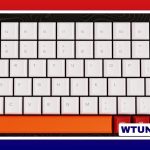
A cheap gaming keyboard and mouse can be a sensible choice for a first gaming setup, a secondary PC, or a desk shared between gaming and everyday work. You do not need every premium feature to get responsive controls, comfortable gameplay, and dependable performance. The best value comes from choosing the features that affect how you play rather than paying extra for lighting or cosmetic details.
Set realistic expectations for a budget combo
Affordable keyboard and mouse bundles usually make compromises somewhere. The keyboard may use membrane or hybrid switches rather than premium mechanical switches, while the mouse may offer a capable optical sensor without the extensive adjustment options found on expensive models. Wireless versions can also have shorter battery life or fewer configuration features.
Those compromises do not automatically make a bundle unsuitable for gaming. A well-chosen entry-level set can still provide comfortable key travel, reliable tracking, useful shortcut buttons, and responsive input for casual games, multiplayer titles, and everyday computing. The important question is whether its limitations matter for your particular games and setup.
Features that deserve priority
When comparing inexpensive gaming peripherals, focus on performance, comfort, and reliability in that order.
- Mouse sensor: Accurate tracking and consistent movement are more important than an impressive maximum DPI number. Adjustable DPI is useful, but a reliable sensor matters more than an extreme setting you may never use.
- Keyboard feel: Choose a switch type that feels comfortable during long sessions. Membrane keyboards can be quiet and affordable, while mechanical or hybrid designs may provide a more distinct response.
- Latency and connection: Wired devices avoid charging and generally provide a straightforward connection. Wireless models offer a cleaner desk, but battery life and connection stability should be checked before buying.
- Ergonomics: A mouse that fits your hand and a keyboard with a comfortable angle can reduce fatigue. Shape, weight, wrist position, and button placement often matter more than decorative features.
- Durability: Look for sturdy construction, dependable switches, reinforced cables where applicable, and keycaps or buttons designed for regular use.
- Software support: Remapping, macros, lighting controls, and profile storage are useful only when the companion software works reliably with your computer.
Wired or wireless?
A wired keyboard and mouse bundle is usually the simplest budget purchase. There are no batteries to replace, no charging routine to remember, and fewer potential connection problems. Wired peripherals are especially practical for competitive games, shared computers, or setups where the keyboard and mouse remain in one place.
Wireless sets are attractive when desk space and cable management are priorities. They can work well for casual gaming, laptops, and multipurpose home-office desks. Before choosing one, check the stated battery life, charging method, wireless receiver requirements, and whether the keyboard and mouse can be used while charging. If uninterrupted play is more important than a tidy desk, wired remains the safer option.
Match the combo to your games
For casual and single-player gaming
Comfort and general reliability should lead your decision. A full-size keyboard may be useful if you also type regularly, while a mouse with two or three extra buttons can help with shortcuts without adding unnecessary complexity.
For first-person shooters
Prioritize a consistent mouse sensor, comfortable grip, predictable clicks, and a keyboard with dependable key registration. Adjustable DPI is helpful for finding a sensitivity that suits you, but a high advertised DPI limit should not be the deciding factor.
For MMOs and MOBAs
Additional mouse buttons and programmable keyboard keys can be valuable for abilities, inventory controls, and shortcuts. Confirm that the software supports the mappings you want and that the button layout is easy to use without accidental presses.
For small desks and student setups
Tenkeyless and compact keyboards free up room for mouse movement and are easier to transport. A lightweight mouse can also be convenient, although very small designs may be uncomfortable for larger hands. For a shared study-and-gaming desk, noise level and typing comfort deserve extra attention.
How to judge value before buying
Compare the features you will use every day rather than counting RGB effects or selecting the largest specification numbers. Read reviews that discuss long-term key reliability, mouse tracking, software behavior, and comfort. Pay attention to complaints about key chatter, double-clicking, connection dropouts, or difficult-to-use configuration tools.
Also check compatibility with your operating system and available USB ports. A warranty and accessible customer support can make a low-cost product a better investment, particularly when buying a combined package. If the included mouse is much weaker than the keyboard, or vice versa, buying the two peripherals separately may provide better overall value.
Make an affordable set perform better
Small adjustments can improve the experience without increasing the budget. Set the mouse sensitivity in the game and operating system so movement feels controlled, and use a suitable mouse pad for consistent tracking. Keep the keyboard and mouse clean, especially around switches, buttons, and the sensor. If the manufacturer provides firmware or driver updates, install them only through the official support software.
For wireless devices, charge them before longer sessions and enable power-saving options when available. A comfortable desk height and wrist position can be just as important as the peripherals themselves. With sensible priorities and basic maintenance, an inexpensive keyboard and mouse combo can provide a dependable foundation for gaming without unnecessary spending.