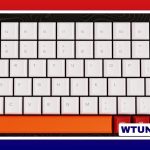
A Mac mini does not include a keyboard or mouse, so your choice of peripherals has a direct effect on how comfortable and productive the computer feels. The right setup depends less on appearance than on your desk, working habits, preferred typing experience, and the applications you use. Check brand specific models to ensure your Mac Mini keyboard and mouse remain fully compatible with mainstream devices.
Whether you are configuring a Mac mini M4 for office work, programming, creative tasks, or general home use, start by considering connection type, layout, ergonomics, and macOS support. A well-matched keyboard and mouse can make the system feel complete, while an unsuitable pair may cause discomfort or unnecessary setup problems.
Wireless or wired peripherals?
Wireless keyboards and mice create a cleaner desk and are particularly useful when the Mac mini is connected to a television, placed on a compact desk, or moved between work areas. Bluetooth models do not require a separate receiver, while wireless sets with a USB receiver can provide another connection option.
Before choosing a wireless setup, consider how you will manage charging or battery replacement. Rechargeable accessories reduce disposable battery use, but they may need to be connected during a long work session. Multi-device models can also be useful if you regularly switch between the Mac mini, a laptop, or a tablet.
Wired peripherals avoid charging and pairing altogether. They can be a sensible choice for a permanent workstation, especially if you prefer a direct USB connection or want a keyboard that can continue operating while its internal battery charges. The trade-off is cable clutter and less flexibility when arranging your desk.
Choosing a Mac-compatible keyboard
The keyboard is usually the accessory you use most, so its layout and typing feel deserve careful attention. Decide first whether you want a compact design, a full-size keyboard with a numeric keypad, or a mechanical model with more pronounced key feedback.
- Compact keyboards: Save desk space and are convenient for minimalist workstations or setups used in more than one location.
- Full-size keyboards: Include a numeric keypad, which can be valuable for spreadsheets, finance, data entry, and other number-heavy work.
- Low-profile keyboards: Offer a familiar, quiet typing style and are often comfortable for general office use.
- Mechanical keyboards: Provide a more tactile experience and may appeal to developers, writers, and users who want switch or keycap customisation.
Apple’s Magic Keyboard is designed around macOS and is available in compact and extended formats. Some versions include Touch ID, which can be useful for users who want biometric authentication within an Apple silicon setup. Logitech’s MX Keys range is another option for people who prefer a low-profile keyboard with additional productivity features, while the MX Keys Mini keeps the layout smaller. Keychron keyboards are worth considering if you want a mechanical design with Mac-specific keycaps and customisation options.
Check the printed layout before buying. A keyboard made primarily for Windows may work with a Mac, but its Command and Option keys may be labelled differently or require remapping. macOS allows modifier keys to be adjusted in System Settings, which can make a cross-platform keyboard more convenient.
Finding the right mouse
Mouse comfort depends on hand size, grip style, weight, and the amount of pointing and scrolling you do. A small mouse may be easier to carry, but a larger ergonomic design can provide better support during long sessions. When pairing your Mac mini with peripherals, explore international keyboard layouts for more comfortable multilingual typing.
Apple’s Magic Mouse fits naturally into an Apple-focused workspace and supports macOS gestures through its multi-touch surface. Its slim shape is attractive and easy to store, although the flat profile will not suit every hand.
Logitech’s MX Master series provides a more substantial ergonomic shape, programmable buttons, and a fast scrolling wheel. It can be a strong choice for office work, editing, and other tasks where shortcuts and frequent scrolling matter. The MX Anywhere range offers a smaller alternative for users who move their accessories between locations.
When comparing mice, look beyond the brand name. Consider whether you need adjustable pointer sensitivity, silent clicks, extra buttons, gesture support, or the ability to connect to more than one device. For detailed design or image-editing work, precise cursor control and a comfortable grip may matter more than a slim appearance.
Pairing and configuring your setup
To connect a Bluetooth keyboard or mouse, place the accessory in pairing mode and select it from the Bluetooth section of macOS System Settings. Keep a wired keyboard or another input method available during initial setup if the Mac mini has not yet been configured.
If a peripheral supports both Bluetooth and USB, the wired connection can be useful for charging, troubleshooting, or avoiding wireless pairing. A USB receiver may also be preferable in an environment where several wireless devices are operating nearby.
After connecting the keyboard, check the modifier-key settings and test common shortcuts such as Command-C, Command-V, and Command-Z. If you use a Windows keyboard or need specialised shortcuts for development and creative software, remapping selected keys can make the layout feel more natural.
Match the accessories to your workflow
- Home office: Choose a comfortable keyboard, an ergonomic mouse, and a numeric keypad if your work involves frequent data entry.
- Programming: A mechanical keyboard may provide the tactile feedback you prefer, while programmable mouse buttons can speed up repetitive actions.
- Creative work: Prioritise accurate pointer control, comfortable scrolling, and shortcuts that work reliably in your main applications.
- Minimalist or shared desks: A compact rechargeable Bluetooth keyboard and mouse reduce cables and are easy to move.
- Multiple operating systems: Look for easy device switching and a layout that clearly supports both Mac and Windows commands.
The best Mac mini keyboard and mouse combination is the one that fits your hands, your desk, and your daily tasks. Compare connection methods, key layout, battery arrangements, and ergonomics before choosing. Compatibility matters, but comfort and reliable everyday use will have the greatest effect on your experience.