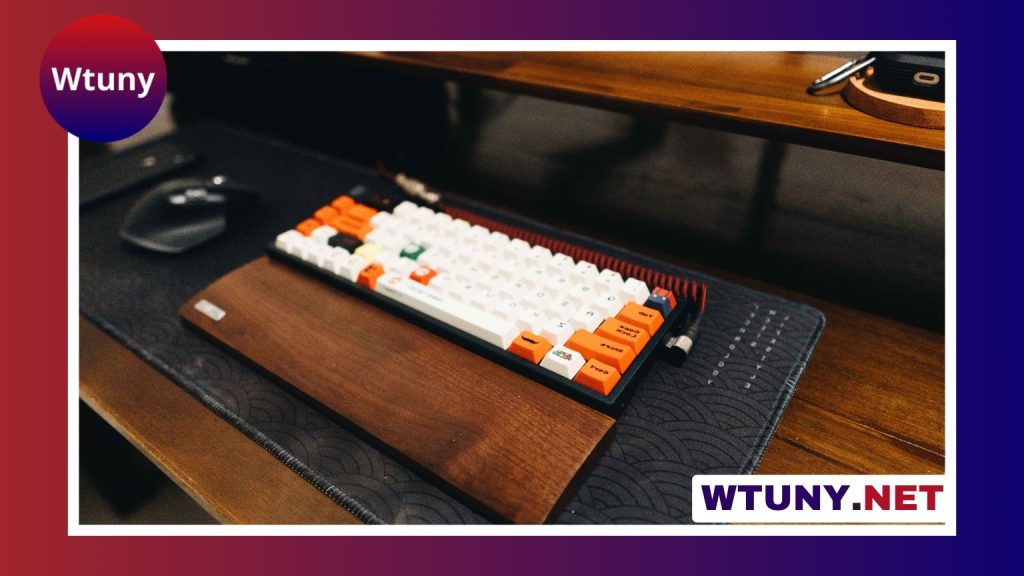
Gateron Banana switches are a popular choice for mechanical keyboard builders who want a distinctive switch design with a smooth, controlled typing experience. The name can refer to more than one product or variant, so the exact feel, spring weight, housing, and stem design may differ between models. Before buying, check the specifications for the particular switch you are considering. Explore how Gateron Banana switches compare mechanically and influence keyboard build component choices.
Even with those variations, banana switches are generally appealing because they offer a refined starting point for a custom keyboard. They can be used stock for a straightforward build or tuned with familiar modifications such as lubrication, spring changes, and housing films.
What makes Gateron Banana switches different?
Like other MX-style mechanical switches, a typical Gateron Banana switch consists of a top housing, bottom housing, stem, and spring. The design of these parts determines how much wobble the switch has, how smoothly the stem moves, how much force is needed, and how the switch sounds when pressed and released.
The banana name is associated with the switch’s visual styling and stem profile, but appearance alone does not describe its performance. Some variants may be linear, while others may offer a more noticeable tactile event. Housing material, stem geometry, spring weight, and production tolerances can all change the final result. If a specific feel is important, use the manufacturer or seller’s listing for that exact variant rather than relying only on the family name.
Typing feel and sound
Many users choose Gateron Banana switches for a smooth keystroke and clean return. Linear versions can feel consistent throughout the press, while lightly tactile versions may provide feedback without creating a sharp interruption. The right option depends on whether you prefer uninterrupted travel or a defined indication of actuation.
Switches are only one part of a keyboard’s sound profile. A banana switch may sound deeper or more rounded in a flexible, dampened case, but the same switch can sound brighter and more immediate in a rigid build. The following components also make a noticeable difference:
- Keycaps: Thickness and plastic type influence pitch and resonance.
- Plate: Aluminum, brass, polycarbonate, and other materials can change the attack and overall character.
- Case and mounting style: Gasket or flexible constructions may soften the sound, while rigid cases can emphasize clarity.
- Stabilizers: Large keys often contribute more unwanted noise than the switches beneath the alphanumeric keys.
- Dampening: Case foam and other materials can reduce resonance, although they also change the character of the build.
Compatibility and build planning
Gateron Banana switches are generally intended for keyboards that use common Cherry MX-compatible switch dimensions. They are commonly paired with compatible keycaps and PCBs, but compatibility should still be confirmed before placing an order. Pay particular attention to whether the PCB supports the switch’s electrical configuration and whether the switch is designed for a plate-mounted or plate-less installation. If you enjoy Gateron Banana Switches, comparing purple switch options can reveal a different balance of feel and sound.
They can suit many layouts, from compact 60% and 65% keyboards to larger boards. A flexible mounting system can complement a softer, smoother typing experience, while a firmer plate may make each keystroke feel more direct. Cherry-profile keycaps are one familiar pairing, but the best profile is ultimately a matter of ergonomics and preference.
Practical ways to tune them
Modding is not required, particularly if you already like the switches in their stock form. If you do want to adjust them, change one variable at a time so you can identify what improved or harmed the result.
- Lubrication: A careful application to the stem and spring can reduce scratchiness and unwanted noise. Excess lubricant may make the switch feel sluggish.
- Spring swapping: A different spring weight can make the keys feel lighter or heavier, but confirm that the replacement spring is suitable for the switch.
- Films: Housing films may reduce looseness when the top and bottom housings do not fit as tightly as you prefer. They are not necessary for every batch.
- Case tuning: Foam or other dampening materials can reduce resonance and produce a quieter, fuller sound.
Test a few switches before modifying an entire board. This is especially useful when working with a product associated with the Gateron Jupiter line or another sub-variant, since construction details and factory tolerances may differ.
Are Gateron Banana switches right for your keyboard?
Gateron Banana switches are worth considering if you want a distinctive option with room for customization. They can provide a comfortable foundation for typing and gaming, but their exact character depends on the variant and the rest of the keyboard build. Compare the listed force, switch type, mounting requirements, and stem or housing details before ordering.
If possible, start with a tester or a small quantity. That lets you evaluate the actual feel and sound with your chosen keycaps and plate before committing to a complete build. With compatible components and restrained tuning, these switches can be shaped to suit either a smooth, muted board or a more direct and expressive one.