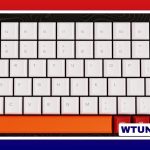
A keyboard and mouse pad can do more than complete the look of a desk. A well-chosen pad creates one stable, consistent surface for typing and pointer movement, helping keep your equipment aligned and your workstation easier to manage. The best option depends on your available space, preferred mouse movement, comfort needs, and how you use your desk each day.
Why use a combined keyboard and mouse pad?
An extended pad places the keyboard and mouse on the same surface. This can reduce keyboard movement during typing and prevent the mouse from repeatedly crossing between the pad and the bare desk. Keeping both devices on one continuous texture also makes the setup feel more consistent, particularly during long work, gaming, or creative sessions.
Many large pads include a soft layer beneath the keyboard, providing some cushioning and helping protect the desk surface. Some also have a raised wrist area. If you choose a design with built-in support, position your hands and wrists naturally rather than allowing the pad to force them into an elevated or bent position.
Choose a surface material
Cloth
Cloth is a common choice because it is generally comfortable, quiet, and available in many sizes. Its texture can offer a balance between smooth mouse movement and controlled cursor positioning. Look for reinforced or stitched edges if you want to reduce fraying around the perimeter.
Hard surfaces
Plastic and aluminium pads provide a firm surface that is usually easy to wipe clean. They may suit users who prefer fast mouse movement or want a material that is less absorbent than fabric. The main trade-off is reduced cushioning, which can matter if your wrists often rest on the pad.
Hybrid designs
Hybrid pads combine soft and firm materials, sometimes using a cushioned area for the keyboard and a smoother, harder section for the mouse. This can be a practical compromise if you want typing comfort without giving up a firm surface for pointer movement.
Find the right size and thickness
Measure the usable area of your desk before buying. A full-size keyboard requires more width than a compact or tenkeyless model, especially when the mouse must remain on the same pad. Also consider how far your mouse normally travels. Broad, low-sensitivity movements may require a larger surface than short, controlled movements.
- Choose enough width for the keyboard, mouse, and your normal mouse range.
- Check the depth so your forearms are not crowded against the desk edge.
- Leave room for essential cables, speakers, or other equipment.
- Consider whether the pad will fit beneath your monitor stand or other desk accessories.
Thickness affects both cushioning and keyboard height. A thicker pad may feel softer and provide more protection for the desk, but it can raise the keyboard and change your typing angle. A thin, low-profile pad is less likely to alter the height of your keyboard and may suit a minimalist workstation.
Features worth comparing
A non-slip backing made from rubber or neoprene can help keep the pad in position on a smooth desk. Water-resistant treatment may make small spills easier to handle, although it does not eliminate the need for careful cleaning. Stitched or reinforced edges can help the pad withstand regular use.
Some models include cable channels or space designed to accommodate a wired mouse lead. These features can help keep the surface tidy, but they should support your setup rather than determine your choice. Lighting and printed designs are optional style additions; dimensions, surface quality, stability, and comfort are usually more important.
Match the pad to your routine
Work and study
For regular typing, prioritise a stable base, comfortable material, and sufficient space to keep the keyboard from sliding. A large cloth pad can also create a quieter, more uniform surface in a home office or shared room.
Gaming
Gaming setups may benefit from an oversized pad that anchors the keyboard while leaving room for sweeping mouse movements. Decide whether you prefer faster gliding or more controlled movement, then consider how the surface feels with your mouse and its feet.
Creative work
Design and other creative tasks often require precise cursor control. Choose a pad that keeps the keyboard and mouse aligned, offers enough movement area, and is straightforward to clean when the workstation is used frequently.
Care and maintenance
Dust, skin oils, and food particles can collect on any desk pad. Wipe hard surfaces with a suitable soft cloth. For cloth models, follow the manufacturer’s care instructions instead of assuming that every fabric pad can be machine-washed. Keep liquids away where possible and inspect the underside occasionally, since dust can reduce the backing’s grip.
The best keyboard and mouse pad is the one that fits your desk and supports your normal movements without creating unnecessary strain. Compare its dimensions, material, thickness, backing, and cleaning requirements with your daily routine, then position it so your keyboard, mouse, and forearms remain naturally aligned.