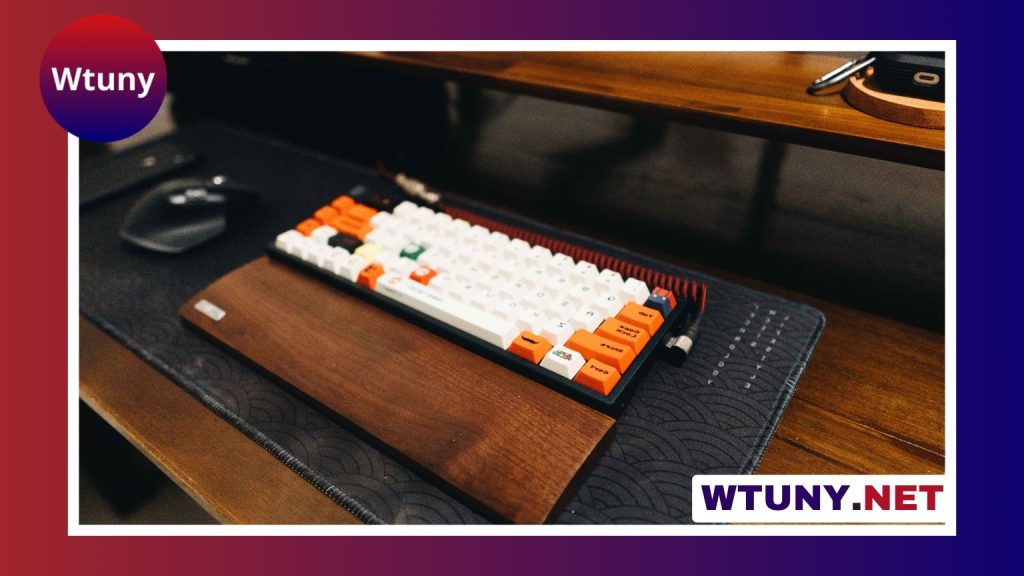
The phrase q keyboard often appears in conversations about compact typing devices and layout preferences. At first glance it might sound like a specific model or gimmick, but within the broader topic of keyboard layouts and sizes the term typically points to keyboards built around the familiar QWERTY arrangement, optimized for compactness, portability, or a particular workflow. This article explores what people mean by a q keyboard, how it relates to keyboard sizes and layouts, and practical guidance for choosing and using one effectively. Exploring layout and size options can clarify how the Q Keyboard fits different typing preferences.
Understanding the q keyboard concept
When users talk about a q keyboard they are usually referring to a keyboard that preserves the QWERTY top-row sequence—q, w, e, r, t, y—while rethinking the form factor. This can include everything from tiny 40 percent keyboards that omit dedicated function rows and arrow clusters to compact 60 percent keyboards that retain the alphanumeric block but remove the numeric keypad. The idea is to keep the muscle memory tied to the QWERTY layout while minimizing physical size, increasing portability, or creating a more ergonomic hand position.
How keyboard layouts and sizes relate to the q keyboard
Keyboard layouts and sizes are tightly connected. A full-size keyboard typically includes a number pad, navigation cluster, and full function row, while smaller layouts like tenkeyless, 75 percent, and 60 percent reduce or eliminate these sections. A q keyboard usually sits on the smaller end of this spectrum, but the term is flexible: some qwertyuiop keyboard designs keep the entire top row intact and simply compress other areas, while others remap or layer functions to fit more compact plate and case designs. Understanding these trade-offs helps determine whether you are comfortable sacrificing dedicated keys for a smaller footprint.
Practical use cases for a q keyboard
A compact q keyboard is appealing for several real-world scenarios. Writers and coders who travel frequently appreciate the reduced size and lighter weight, which makes it easier to carry a mechanical keyboard between home, office, and coffee shops. Gamers sometimes prefer compact layouts because they free up desk space for mouse movement and can offer faster access to essential keys. Programmers may benefit from customizable layers that let them assign commonly used shortcuts to easily reachable keys. Even hobbyists who enjoy building and customizing keyboards are drawn to qwertyuiop keyboard layouts because they provide a familiar typing experience while enabling creative case, switch, and keycap choices.
Choosing the right qwertyuiop keyboard size and layout
Selecting the right qwertyuiop keyboard depends on how you use a keyboard day to day. If your workflow requires frequent numeric input, a tenkeyless or full-size board may still serve you best. For those who rarely use a number pad but need function keys, a 75 percent keyboard can be a good compromise because it preserves the function row in a compressed format. If portability is the priority, a 60 percent or 40 percent q keyboard will drastically reduce weight and width, though you’ll rely more on function layers for media controls and navigation. Consider the physical typing angle, key spacing, and whether you want hot-swappable switches so you can experiment without soldering. Trying out different layouts in person or using online layout simulators can prevent commitment regret. Q Keyboard enthusiasts may also appreciate compact mechanical layouts when comparing options with 84 keys.
Ergonomics, customization, and accessories
Ergonomics plays an important role when choosing a compact q keyboard. Smaller keyboards can reduce the need to reach across a desk, allowing your mouse and keyboard to be closer together and reducing shoulder strain. However, very small boards can force awkward hand positions if you frequently use keys that are layered or require modifier combinations. Customization options like tenting stands, wrist rests, and split designs can help mitigate discomfort. Many enthusiasts customize keycaps and switches to improve tactile feel and acoustics, and programmable qwertyuiop keyboard firmware makes it possible to remap keys or create macros tailored to your workflow, improving comfort and efficiency.
Getting the most from a q keyboard
Transitioning to a q keyboard requires some adaptation. Start by identifying which keys you use most and choose a layout that keeps them readily accessible. Practice on the compact layout for a few weeks to build muscle memory; temporary slowdowns are normal. Make use of firmware customization to create convenient layers for media controls, arrow keys, and frequently used shortcuts so you avoid awkward key combinations. If portability matters, invest in a protective case or carrying pouch. For heavier typing tasks, consider switching to more tactile or quieter switches, and add a wrist rest if you find your wrists are not well supported on the lower-profile cases common in compact keyboards.
Finally, remember that “q keyboard” is more a category than a prescription. It describes an approach to keyboard design—prioritizing the familiar QWERTY arrangement while optimizing size and functionality—so your ideal q keyboard will reflect your personal balance of portability, ergonomics, and features.
In conclusion, a q keyboard offers an attractive option for users who want to retain the proven QWERTY typing experience while reducing the physical footprint of a keyboard. Whether you call it a compact qwertyuiop keyboard or simply a smaller QWERTY device, these keyboards are particularly well suited for travel, tight desk setups, or creative customization. By understanding the trade-offs between layout and size, focusing on ergonomic adjustments, and taking advantage of programmable customization, you can choose and configure a q keyboard that enhances productivity and comfort without compromising the core typing experience.