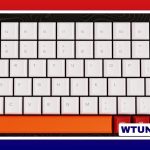
A silent mechanical keyboard can provide the responsive feel and consistent key presses many people prefer without adding unnecessary noise to a shared workspace. The right choice depends on more than the word “silent” in a product description: switch design, stabilizers, case construction, keycaps, layout, and ergonomics all affect the experience.
Why use a silent mechanical keyboard at work?
Mechanical keyboards are valued for their distinct key feel, durability, and range of layout and customization options. However, the sharp sound of a conventional mechanical switch can be distracting in an open office, coworking space, library, or shared home.
Quiet models reduce the impact of each keystroke while retaining much of the controlled, responsive feel associated with mechanical keyboards. They can be especially useful if you type throughout the day, attend calls from the same desk, or work near people who need a low-noise environment.
What actually makes a mechanical keyboard quiet?
Keyboard noise comes from several sources, so switch type is only part of the answer. Look for a combination of the following features:
- Silent switches: These use dampening material to soften the impact when the switch is pressed and released. Linear silent switches often produce less sound than clicky or strongly tactile designs, although the feel may be smoother and less pronounced.
- Well-tuned stabilizers: Large keys such as the space bar, Enter, Shift, and Backspace can rattle even when the main switches are quiet. Factory lubrication and careful assembly can reduce this extra noise.
- Case dampening: Foam, silicone, or other internal materials can reduce hollow resonance inside the keyboard case.
- Thicker keycaps: Keycap material and thickness influence the pitch and volume of a keystroke. Thicker caps may produce a deeper, less sharp sound, though they do not replace quiet switches.
- A solid desk setup: A desk mat or other soft surface can reduce vibration transferred into the desk.
No mechanical keyboard is completely silent. Finger impact, the movement of the keycap, and the surface beneath the keyboard will still create some sound. “Silent” should therefore be understood as substantially quieter, not noiseless.
Choose the right switch feel
Switch preference is personal, particularly during long typing sessions. Linear switches move smoothly from top to bottom and are often a practical choice when minimizing noise is the main goal. Tactile switches provide a noticeable bump that some typists find helpful for feedback, but their sound varies considerably between designs.
Clicky switches are generally a poor fit for quiet offices because their deliberate click is part of the switch mechanism. If possible, test a keyboard or switch sample before buying. A quiet switch that feels comfortable is more useful than a theoretically quieter option that causes fatigue or encourages hard bottoming-out.
Office ergonomics and useful features
A quiet keyboard should also support the way you work. Consider these practical features: For quieter office setups, explore folio keyboard alternatives alongside silent mechanical models designed for comfortable daily typing.
- Layout: A tenkeyless or compact layout saves desk space, while a full-size keyboard keeps a dedicated number pad for spreadsheet and data-entry work.
- Typing angle: Adjustable feet can help you find a comfortable position, but a steep angle is not automatically more ergonomic.
- Wrist support: A separate wrist rest may improve comfort if it keeps your hands in a neutral position without pressing into your wrists.
- Low-profile design: Shorter key travel can feel comfortable to some users and may reduce the distance fingers move, but it is still important to assess the actual switch feel.
- Wireless connectivity: A wireless model can reduce cable clutter. For office work, reliable connection and convenient charging matter more than gaming-oriented performance claims.
- Backlighting: Adjustable lighting can help in dim conditions. Keep brightness modest if your desk is near other people.
Quieting a budget mechanical keyboard
You do not necessarily need a premium keyboard to reduce typing noise. An affordable board with compatible switches can sometimes be improved with simple changes. A desk mat is an easy first step because it reduces vibration and protects the desk surface. Replacing loud switches with silent-compatible versions, adding suitable case dampening, or fitting thicker keycaps may also change the sound.
Stabilizers are another common source of noise. Careful lubrication can reduce rattling, but it should only be attempted if you are comfortable opening the keyboard and using an appropriate product. Modifications may affect a warranty or damage components if done incorrectly, so a keyboard that is quiet out of the box may be the better value for a shared workplace.
How to compare keyboards before buying
Product descriptions often use “quiet,” “silent,” and “low noise” inconsistently. Look for specific information about the switch type, dampening, stabilizers, and internal construction rather than relying on the label alone. Reviews are most useful when they describe both the main key sound and the noise from the space bar and other larger keys.
Also consider your typing habits. A light typist may find that a moderately quiet keyboard is sufficient, while someone who presses keys forcefully may need silent switches, a cushioned desk mat, and a well-dampened case. If coworkers sit nearby or you take calls regularly, test the keyboard in a similar environment before committing to it.
Good workplace etiquette
Even a quiet mechanical keyboard benefits from considerate use. Keep it on a stable, soft surface, avoid striking the keys harder than necessary, and check whether the space bar or other large keys are noticeably louder. In a shared office, the best keyboard is one that provides the feel and comfort you want without becoming part of everyone else’s background noise.
By combining silent switches with good stabilizers, suitable dampening, and an ergonomic layout, you can enjoy mechanical typing without the usual disturbance associated with louder keyboards.