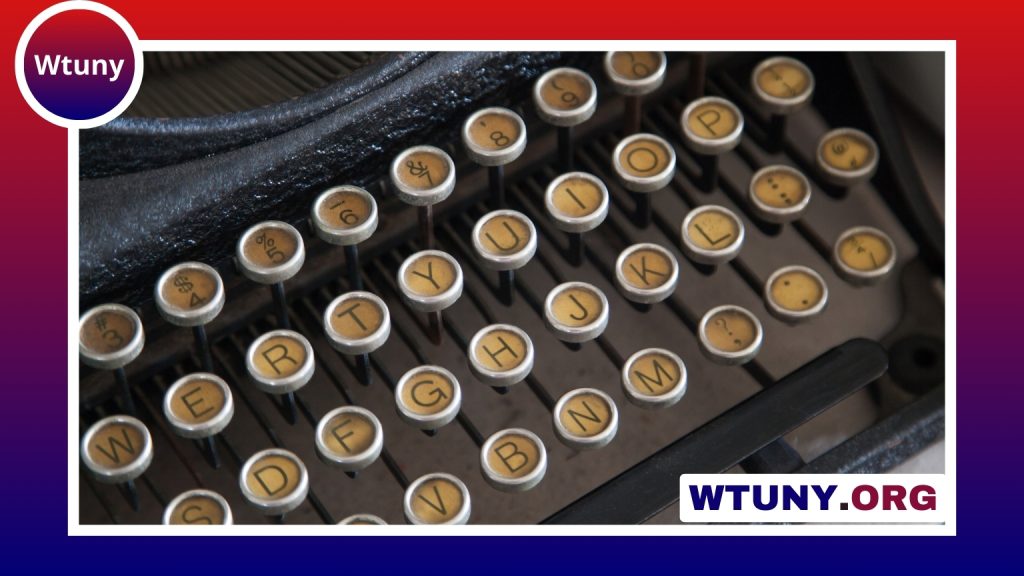
The retro typewriter keyboard wireless trend brings classic style to modern desks, blending vintage charm with the convenience of Bluetooth and wireless connectivity. For anyone in the ergonomic and office keyboards category, these keyboards offer a tactile, focused typing experience that can elevate productivity and aesthetics at the same time. Whether you want a typewriter keyboard for computer use, a Bluetooth typewriter keyboard for your tablet, or a vintage typewriter computer keyboard to complete a themed workspace, there are options that balance form, function, and comfort.
Why choose a retro typewriter keyboard wireless for your workspace?
Choosing a wireless typewriter keyboard is often about more than looks. The appeal of a keyboard that looks like a typewriter lies in its ability to deliver a satisfying mechanical feel while removing cable clutter from your desk. Many models with a typewriter style keyboard layout use mechanical switches for pronounced feedback and longer lifespan, so they double as typewriter mechanical keyboards. For office workers, writers, and creative professionals who spend long hours typing, a vintage typewriter keyboard can increase comfort and reduce fatigue when paired with an ergonomic setup.
Design and build: vintage aesthetics meets modern wireless connectivity
Design is where retro typewriter keyboards shine. These keyboards often feature round or sculpted keycaps, metal or wood-like frames, and a high-profile silhouette reminiscent of classic machines. Modern manufacturers incorporate Bluetooth and USB-C charging so you can connect as a vintage bluetooth keyboard or use a wireless dongle for low-latency typing. If you need a typewriter keyboard for Mac or a retro iPad keyboard, look for models that offer macOS and iOS key mapping along with easy multipoint Bluetooth pairing. A quality vintage bluetooth keyboard will combine old-school charm with stable, contemporary connectivity.
Typing experience and ergonomics: mechanical discipline with modern comfort
The tactile experience defines many retro keyboards. Key typewriter switches and typewriter style mechanical keyboard designs prioritize distinct actuation and audible feedback, which many typists find more satisfying than low-profile office keyboards. Ergonomically, some retro keyboards include a gentle angle, a detachable wrist rest, or a slightly sculpted key profile to support neutral wrist positioning. If you favor a full layout, options like a typewriter keyboard with number pad maintain productivity while retaining the vintage look. For gamers who appreciate the retro aesthetic, a typewriter gaming keyboard can offer responsive switches and N-key rollover, translating the mechanical reliability prized by gamers into stylized hardware.
Connectivity and compatibility: Bluetooth, multi-device, and platform support
Wireless connectivity is central to the retro typewriter keyboard wireless experience. Many of these keyboards provide Bluetooth pairing with multiple devices, enabling seamless switching between a laptop, tablet, and phone. For those who need desktop-grade performance, models with a 2.4 GHz dongle offer lower latency and reliable connections for typewriter gaming and competitive work. Compatibility is also important for Mac users: a typewriter keyboard for Mac should include macOS-specific function keys and correct key legends, while a retro iPad keyboard will often offer shortcuts tailored for iPadOS. If you prefer a complete desktop set, some vendors sell a wireless typewriter keyboard and mouse bundle designed to match visually and functionally. If you like a retro typewriter keyboard wireless, consider smart folio keyboards for compact, modern tablet typing.
Practical use cases: from writers and designers to gamers
Retro typewriter keyboards adapt well to a range of environments. Writers and journalists often choose these keyboards for the satisfying, rhythmic feedback that resembles old typewriters, which can help deepen focus during long writing sessions. Designers and content creators appreciate the visual statement a vintage typewriter keyboard makes on camera during livestreams or social media content. For gamers, a typewriter gaming keyboard merges tactile switches with necessary gaming features such as anti-ghosting and macro programmability without sacrificing the distinctive look. Even office managers who want to add personality to shared workspaces find that a keyboard with typewriter keys sparks conversation while remaining a practical input device.
How to choose the best typewriter keyboard for your needs
Selecting the best retro typewriter keyboard wireless depends on priorities like switch type, connectivity, layout, and build quality. Evaluate whether you prefer a heavier, clicky switch for that authentic typewriter sound or a softer tactile switch for quieter offices. Check for Bluetooth multipoint if you switch between devices frequently, and confirm compatibility for your platform, whether that’s Windows, macOS, or iPadOS. Consider whether you need a number pad—many vintage-inspired options are available with a typewriter keyboard with number pad for spreadsheet work. Battery life, keycap material, and software support for remapping keys should also factor into your decision. For classic looks with practical features, a vintage typewriter keyboard or a retro keyboard Bluetooth model that supports firmware updates and key customization offers long-term value.
In the ergonomic and office keyboards cluster, the retro typewriter keyboard wireless occupies a niche where aesthetics meet usability. By balancing mechanical feel, ergonomic considerations, and reliable wireless connections, these keyboards can serve writers, office professionals, and gamers alike. When chosen thoughtfully, a wireless typewriter keyboard becomes not just an input device but a defining piece of a productive and stylish workspace.