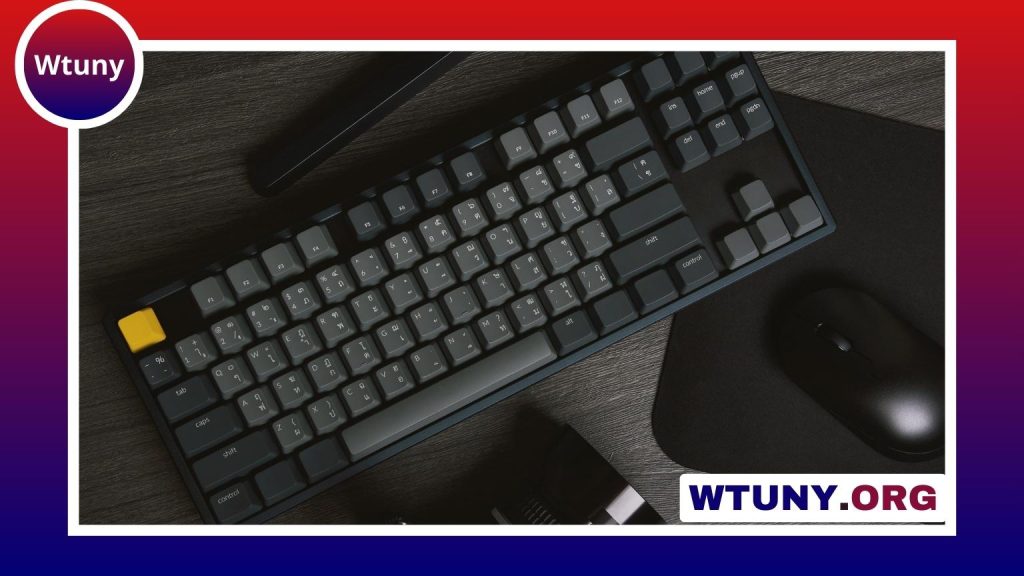
Keyboard lighting settings are more than cosmetic flourishes; they improve visibility, support workflows, and provide tactile feedback during gaming or late-night work. Whether you have a laptop with a simple white key backlight or a desktop mechanical board with full per-key RGB, understanding how to configure and troubleshoot lighting can save time and extend battery life. This article explains common controls, software options, practical use cases, and fixes for when your lights won’t behave as expected.
Understanding keyboard lighting settings and features
Manufacturers expose keyboard lighting settings at multiple levels: hardware, firmware, and software. Basic laptops often provide a single brightness control for the key backlight with a few brightness steps. Gaming and pro keyboards typically offer zones or per-key RGB that let you change colors, assign reactive effects, and create profiles for different applications. Lighting features include brightness, breathing or wave effects, per-key colors, reactive typing, and syncing across devices. Knowing which level your keyboard supports—simple backlight versus full RGB—guides the right approach for customization.
How to turn my keyboard light on — quick methods
If you’re asking how to turn my keyboard light on, start with the simplest controls. Many laptops and compact keyboards use a function key paired with the Fn modifier. A common key command to turn off and on RGB laptop lighting is Fn + Space or a function key (F3, F4, F5) that shows a keyboard or light icon. Desktop keyboards often have a dedicated toggle or an Fn-key combination. If the hardware keys don’t respond, check your operating system’s settings: on Windows some manufacturers expose a keyboard backlight control in their utility apps or in the Windows Mobility Center for supported models. On a MacBook, older models have F5 and F6 to adjust backlight brightness, while Touch Bar models manage it through control strip settings. For Linux, vendor-specific tools or kernel interfaces may control the backlight; consult your distro documentation for commands or files under /sys/class/leds.
Managing RGB and backlight with manufacturer software
When your keyboard supports RGB, vendor software unlocks advanced keyboard lighting settings. Applications such as Razer Synapse, Corsair iCUE, Logitech G HUB, Asus Aura, and MSI Dragon Center let you define per-key colors, create layered effects, and tie lighting to system events like CPU temperature or notifications. Use profiles to switch lighting automatically when you launch games or productivity apps. Simple keyboards may offer a small app for brightness and timeout settings only, which is especially useful for conserving battery on laptops. Always download the latest version of a vendor’s utility directly from the manufacturer to ensure compatibility and to receive firmware updates that add features or fix bugs.
Practical use cases for keyboard lighting settings
Keyboard lighting settings serve several practical needs beyond appearance. For gaming, per-key RGB can highlight ability keys, cooldown timers, or groupings for quicker muscle memory. In productivity scenarios, different color profiles can signify which workspace or toolset you’re in, helping separate tasks visually. Low-light typing benefits from basic backlight illumination so you can find keys without external lighting. Accessibility features may include higher contrast color schemes or steady backlights for users with visual impairments. On laptops, automatic timeouts and reduced brightness preserve battery life while maintaining usability. Lighting can also be used for notifications—brief color flashes or pulsing patterns that alert you to unread messages or system events without audible cues.
Troubleshooting common lighting problems
If the keyboard lighting settings don’t respond, start with these diagnostics. First, ensure physical controls aren’t locked by a Fn lock or similar toggle. Reboot and check BIOS or UEFI settings; some systems allow enabling or disabling the keyboard backlight at firmware level. Verify drivers and vendor software are up to date; outdated or corrupted utilities often cause unresponsive RGB controls. For external keyboards, test on another computer to rule out a hardware fault. If your laptop keyboard won’t light up, check power settings—battery saver modes can disable backlights. For advanced troubleshooting on Linux, inspect system logs and the relevant device nodes to determine whether the kernel recognizes the keyboard light. If firmware updates are available for the keyboard, follow manufacturer instructions carefully; flash failures can disable advanced lighting controls.
Balancing aesthetics with battery life and ergonomics
Lighting can be a significant power draw on portable systems. Use automatic dimming, timeouts, or single-color modes to extend battery life without sacrificing usability. For desktop setups, consider synchronized lighting across peripherals for a cohesive aesthetic while keeping effects subtle to avoid distraction. Ergonomically, choose contrast and brightness levels that reduce eye strain—very bright, fast-changing patterns may be visually fatiguing during long typing sessions. Many users find that a steady, moderately dim backlight or a static color profile is the best compromise between style and comfort.
Keyboard lighting settings are a flexible tool: simple on/off controls and brightness steps cover basic needs, while full RGB ecosystems offer deep customization for gamers and professionals. By learning the typical key command to turn off and on RGB laptop lighting, using vendor software for advanced profiles, and following basic troubleshooting steps, you can make your keyboard both more functional and visually pleasing. Whether you’re trying to figure out how to turn my keyboard light on for the first time or fine-tuning per-key effects, a little configuration goes a long way toward a more productive and enjoyable typing experience.