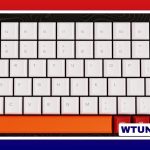
Cool keycap sets are one of the simplest ways to change a mechanical keyboard’s appearance and typing experience. A new set can introduce richer colors, a different sound, a more comfortable shape, or a distinctive theme without replacing the entire board. Whether you want a clean desk aesthetic, a gaming-focused layout, or a keyboard with more personality, the best choice balances design with compatibility. Explore custom keycap sets to personalize your typing experience while checking out other keyboard add-ons.
What keycaps change
Keycaps affect more than the visual style of a keyboard. Their material and shape influence surface texture, perceived key travel, sound, and the way your fingers move across the rows. A well-chosen set can make a familiar keyboard feel noticeably different, particularly when replacing thin stock caps with a more substantial design.
Gamers may prefer contrasting colors or textured caps for frequently used keys such as WASD, the arrow cluster, or macro keys. Writers and office users may place greater importance on a comfortable profile and a surface that remains pleasant during long typing sessions. Decorative caps, meanwhile, turn the keyboard into a more personal part of a desk setup.
Keycap materials and legend quality
Material is an important part of both durability and feel:
- ABS: Often has a smooth surface and can develop a noticeable shine with heavy use.
- PBT: Usually offers a more textured, matte feel and is valued for its resistance to wear.
- Double-shot legends: The characters are formed from separate molded plastic, helping them remain legible over time.
- Dye-sublimated legends: The design is infused into the keycap surface rather than simply printed on top.
Neither material automatically makes a set the right choice for every keyboard. Consider whether you prefer a smooth or textured finish, how heavily the keyboard is used, and whether the legends need to remain highly visible. Solid keycaps emphasize color and texture, while shine-through designs can make RGB backlighting more prominent.
Profiles and typing feel
Keycap profile describes the height and shape of each row. Common profiles include OEM, Cherry, SA, and DSA. Some are sculpted, giving each row a different angle, while others use a more uniform shape. The profile changes the keyboard’s overall silhouette and affects how your fingers meet the keys.
A lower or familiar profile may feel natural for everyday typing, while a taller profile can create a more dramatic appearance and a different sound. There is no universal best profile, so it is useful to consider the profile already used by your keyboard and whether you want continuity or a completely new feel.
Popular styles for a personalized setup
Cool keycap sets cover a wide range of visual approaches: Explore vintage keycap styling to give an old-school keyboard a distinctive, nostalgic personality.
- Minimalist sets: Neutral colors and simple legends suit focused workspaces and understated desk designs.
- Gaming sets: High-contrast accents and highlighted clusters make important keys easier to identify at a glance.
- Themed sets: Coordinated colors and legends can reflect interests such as retro computing, space, nature, or other visual concepts.
- Fun and novelty caps: Unusual shapes, icons, or miniature designs add a playful accent to an otherwise standard board.
- Artisan keycaps: Individually crafted or hand-finished pieces function as small decorative sculptures, often placed on Escape or Enter.
Artisan and novelty keycaps are especially useful when you want to customize an existing set rather than replace every key. Before buying one, check its stem compatibility and compare its height with the surrounding keys. A cap that does not match the rest of the profile may still look appealing, but it can feel uneven during use.
Check compatibility before buying
Compatibility is the most important practical detail. Identify your keyboard’s layout—such as full-size, tenkeyless, 75 percent, 60 percent, or split—and check whether it uses an ISO Enter key, a nonstandard bottom row, or unusual modifier sizes. Some sets include extra keys to support several layouts, while others are designed for only one arrangement.
Pay particular attention to the spacebar, Shift, Enter, Backspace, and bottom-row keys. A set may fit most of the board while leaving one or two keys unusable if those sizes are different. Also confirm that the keycap stems match the switches on your keyboard.
Installing and caring for keycaps
A keycap puller makes removal safer and easier. Pull each cap straight upward with even pressure rather than twisting aggressively. If a cap feels stuck, stop and check that the tool is gripping the cap rather than catching the switch or stabilizer.
For routine cleaning, remove the keycaps and wash them in warm, soapy water. A soft brush can help clean textured surfaces. Allow every cap to dry completely before reinstalling it, and avoid harsh chemicals that may affect the plastic or legends. Regular cleaning helps preserve both the appearance and the feel of the set.
Build a cohesive keyboard setup
Keycaps work best as part of the wider keyboard design. Consider how their colors pair with the case, switches, stabilizers, lighting, and desk mat. You can create a restrained workstation with a neutral base and one accent color, or use themed keycaps and artisan pieces to make the keyboard the visual focus.
The right set does not need to be the rarest or most elaborate option. Start with your layout, preferred material, profile, and daily use. Once those fundamentals are covered, color, theme, novelty, and artisan details can make the keyboard feel distinctly yours.