The buttons you press most often have a major effect on how a keyboard feels and performs. Their mechanism, layout, spacing, and extra functions can influence typing comfort, accuracy, speed, and ease of use. Whether you are selecting a keyboard for office work, gaming, creative projects, or general use, understanding the available button types will help you make a more suitable choice. If you care about buttons for keyboard, learn more about mechanical switch types to refine your selection.
Keyboard switch types and button feel
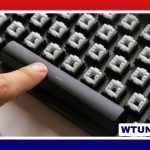
Keyboard buttons are usually built around one of three common mechanisms: mechanical switches, membrane switches, or scissor switches. Each design produces a different level of feedback, travel, noise, and durability.
- Mechanical switches: These offer a broad range of feels. Tactile switches provide a noticeable bump during a press, clicky switches add an audible click, and linear switches move smoothly from top to bottom. The best option depends on whether you prefer feedback, quiet operation, or consistent rapid presses.
- Membrane switches: These use a rubber dome and generally feel softer and quieter. They are often chosen for their straightforward design and lower price, although they typically offer less customization than mechanical keyboards.
- Scissor switches: Common in thin keyboards and laptop-style designs, these use a shorter key travel and a low-profile construction. They suit people who prefer a compact keyboard with a relatively shallow press.
When comparing buttons, pay attention to actuation force, travel distance, and noise. A key that feels comfortable for occasional use may become tiring during long typing sessions. If possible, try several switch types before buying, particularly if you are sensitive to sound or finger fatigue.
Multimedia buttons and programmable controls
Extra controls can reduce the number of steps required for common tasks. Dedicated multimedia buttons may include play, pause, track controls, mute, and volume adjustment. A volume wheel or knob can be especially convenient when you frequently switch between audio sources or adjust sound while working.
Programmable buttons and macro keys provide another kind of flexibility. Depending on the keyboard and its software, a button may be assigned to:
- Open a frequently used application
- Insert a repeated phrase or text block
- Launch a shortcut or series of commands
- Control media, lighting, or communication tools
- Switch between profiles for different applications
Some keyboards store custom assignments in onboard memory. This can be useful if you move between computers and want your key mappings to remain available without installing configuration software each time. Other models rely entirely on a companion utility, so check how customization works before purchasing.
Layouts for gaming, productivity, and comfort
Keyboard layouts are often designed around particular tasks. Gaming models may include additional macro buttons and features intended to register several simultaneous presses accurately. Anti-ghosting and n-key rollover can be valuable when a game requires multiple keys to be held or pressed together.
Productivity-focused keyboards may place shortcut buttons near the function row or navigation cluster. These can provide direct access to window controls, clipboard actions, calculators, conferencing functions, or other frequently used commands. Extra buttons are helpful only when they are easy to reach and do not cause accidental presses, so their placement matters as much as their number. Exploring mobile keypad layouts can clarify how familiar keyboard buttons translate to touchscreen typing.
Ergonomic keyboards take a different approach by changing the position or shape of the keys. Split layouts, tented designs, and curved key wells are intended to place the hands and wrists in a more natural position. They may require an adjustment period, but the right layout can make extended sessions more comfortable. If you are considering an unusual arrangement, testing it in person can reveal whether the spacing and key placement suit you.
Remapping and programming keyboard buttons
Begin customization by deciding which keys you actually need to change. The function row, navigation keys, multimedia controls, and dedicated macro buttons are common candidates. Manufacturer software may allow you to remap individual keys, record macros, create application-specific profiles, and assign shortcuts.
For important work, test every custom mapping before relying on it. Complex macros should be simple enough to stop safely and should not trigger unintended commands. Save useful profiles to onboard memory when the keyboard supports it. Third-party remapping tools may offer additional options, but compatibility can differ between operating systems and keyboard models.
Cleaning, durability, and troubleshooting
Regular cleaning helps preserve the feel and responsiveness of keyboard buttons. Remove loose dust carefully, wipe keycaps with a soft cloth, and keep liquids away from the keyboard. Mechanical keyboards are often easier to service because keycaps can be removed, and some models allow individual switches to be replaced. Membrane and low-profile laptop-style keyboards are generally less accessible for user repairs.
If a button stops working, first check the active profile and software settings. Reconnect the keyboard, try another USB port, and test it on a different computer if possible. These steps can help determine whether the problem comes from the keyboard, the connection, or the configuration software. Firmware updates may also correct issues with special buttons or macro behavior. If the failure appears to be physical, consult the manufacturer’s support or warranty information.
The right keyboard buttons balance feel, layout, convenience, and reliability. Choose switches that suit your preferred typing experience, select extra controls that genuinely support your workflow, and customize only the functions that you use regularly.