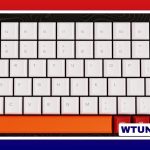
A backlit keyboard can make a Mac setup more comfortable and practical, especially when you work in the evening, type in a dim room, or use a desktop Mac without a built-in keyboard. The best choice depends on more than illumination. Layout, macOS controls, key feel, connection type, size, and battery management all affect how well a keyboard fits your daily workflow.
Why choose a backlit keyboard for a Mac?
Illuminated keys make legends easier to see in low light, helping you locate shortcuts and type with fewer mistakes. This is particularly useful for writers, developers, students, and anyone who frequently uses Command, Option, Control, and function-key combinations.
Backlighting is also helpful when a keyboard is positioned away from a monitor, such as with a Mac mini in a living room or a desktop workstation. Adjustable brightness lets you use only as much light as you need, while a clean, familiar Mac layout can make switching between a MacBook and an external keyboard feel more natural.
Features that matter most
macOS layout and controls
Look for a keyboard designed to support Mac modifier keys and common macOS functions. Dedicated or clearly labelled keys for media playback, volume, screen brightness, and other system controls can be more convenient than relying on on-screen menus. If a keyboard is designed primarily for Windows, verify that the Command and Option keys can be mapped correctly.
Backlight adjustment
A useful backlight should offer more than a simple on-and-off setting. Several brightness levels are valuable for adapting to different rooms and times of day. Some keyboards also include automatic timeout or proximity-based illumination, which can help conserve power. RGB lighting may appeal to users who want visual customisation, but it is not necessary for comfortable low-light typing.
Key feel and sound
The switch type has a major effect on comfort:
- Scissor switches: Usually provide a shallow, laptop-like feel and are often a good fit for office work and extended writing.
- Mechanical switches: Offer more pronounced tactile feedback and may suit programmers, enthusiasts, and gamers who prefer a distinct key press.
- Quiet or low-profile designs: Can be preferable in shared rooms, studios, and bedrooms where typing noise is a concern.
Whenever possible, consider the travel, resistance, and sound of the keys rather than choosing based on appearance alone.
Size and layout
A full-size keyboard includes a numeric keypad, which is useful for spreadsheets, accounting, and frequent number entry. Tenkeyless and compact models remove some keys to save desk space, while smaller layouts are easier to carry with a MacBook. Check whether a compact model retains the arrow keys and function row you use regularly.
Wireless or wired?
A wireless backlit keyboard creates a cleaner desk and is convenient when moving between a MacBook, Mac mini, tablet, or television setup. Bluetooth models are especially useful for portable and living-room arrangements, while keyboards with multi-device pairing can make switching between computers easier.
The main trade-off is power management. Backlighting consumes energy, so wireless models may use sleep timers, automatic dimming, or rechargeable batteries. If you want to avoid charging altogether, a wired keyboard is a straightforward option. Wired connections can also appeal to users who prefer a constant connection and do not need to move the keyboard.
Choosing a keyboard for your Mac setup
MacBook users
Choose a compact wireless model if you want a consistent typing experience when the laptop is connected to a monitor. A layout with familiar spacing and Mac-labelled modifiers will require less adjustment than a keyboard designed around Windows conventions.
Mac mini and desktop users
A Mac mini setup gives you more freedom to choose a full-size or ergonomic board. A numeric keypad can be valuable for data-heavy work, while a compact model leaves more room for a mouse, drawing tablet, or other accessories.
Writers and office users
Prioritise quiet switches, comfortable key spacing, reliable brightness controls, and a layout that matches your existing Mac habits. A simple white backlight may be more useful than elaborate lighting effects if your main goal is accurate, comfortable typing.
Creative users and gamers
Mechanical switches, programmable keys, and per-key lighting may be worthwhile when tactile feedback and custom profiles are important. Make sure any companion software supports the Mac functions you need, since advanced features can vary between keyboards.
Setting up and maintaining your keyboard
After connecting the keyboard, open macOS keyboard settings and check that modifier keys behave as expected. Pair Bluetooth models through the system settings, then test brightness, media, and function-row controls. If the keyboard has companion software, use it only when you need features such as macros, lighting profiles, or key remapping.
Keep the keyboard clean with a soft, dry cloth and follow the manufacturer’s guidance for removing dust. Lowering the backlight when the room is brighter can extend wireless runtime. If special keys stop working, check the connection, review the keyboard settings, and look for available firmware updates.
Final considerations
The best backlit keyboard for Mac is the one that matches your workspace and typing habits. Focus first on a dependable Mac layout and comfortable key feel, then compare size, connection type, lighting controls, battery arrangements, and noise. Whether you need a portable wireless board, a full-size desktop keyboard, or a compact mechanical model, these criteria will help you choose a setup that is easier to use in any lighting condition.