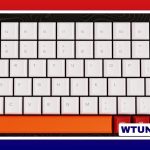
A mechanical keyboard is more than a collection of keys: its switches, layout, construction, and software all affect how it feels to use. The right choice depends on your daily work, gaming habits, available desk space, and willingness to customize. This guide explains the main decisions in a practical order, making it easier to compare keyboards without getting lost in enthusiast terminology. For comparison and recommendations, see our keyboard reviews roundup covering switches, layouts, and build quality.
Why choose a mechanical keyboard?
Unlike a typical membrane keyboard, a mechanical model uses an individual physical switch beneath each key. That design gives every key a more defined feel and can provide consistent feedback while you type or play games. Many users prefer mechanical keyboards because the keys feel more deliberate, while others value their customization options and sturdy construction.
The experience is highly personal. A mechanical keyboard is not automatically more comfortable or quieter than every other type of keyboard, and the wrong switch or layout can be frustrating. Treat the switch feel, sound, and overall ergonomics as equally important as appearance.
Understand the three main switch types
Switches determine how a key moves, when it actuates, and how much sound or feedback it produces. Most options fit into three broad categories:
- Linear: The key moves smoothly from top to bottom without a tactile bump. This consistent motion appeals to many gamers and to users who prefer an uninterrupted keystroke.
- Tactile: A noticeable bump provides feedback during the key press. Many typists like this response because it makes each keystroke easier to feel.
- Clicky: These switches combine a tactile bump with a distinct click. They offer strong audible and physical feedback, but the sound may be unsuitable for an office, classroom, or shared room.
Switch names and specifications vary between manufacturers, so broad categories are only a starting point. If possible, try a switch tester or several keyboards before buying. Testing is particularly useful for beginners who have not yet developed a preference for smooth, tactile, or clicky switches.
Choose a layout that fits your work
Keyboard size affects both desk space and access to frequently used keys. Consider the tasks you perform most often rather than choosing a size based solely on appearance.
- Full-size: Includes the number pad and is useful for frequent data entry, spreadsheets, and other number-heavy work.
- Tenkeyless (TKL): Removes the number pad while retaining the function row and navigation keys. It saves space and leaves more room for a mouse.
- 65%: Keeps the main typing area and commonly used navigation keys in a compact design, but usually omits the function row and number pad.
- 60%: Provides a very small footprint by removing the dedicated function row, navigation cluster, and number pad. These keys are typically accessed through shortcuts or layers.
Compact keyboards can be convenient for small desks and travel, but they may require a learning period if you regularly use dedicated navigation or function keys.
Compare connectivity and useful features
Wired USB connections are straightforward and generally well suited to users who want a dependable desktop setup. Bluetooth and other wireless modes are useful when switching between a computer, tablet, or phone is part of your routine. Check how many devices the keyboard supports and whether its battery or charging arrangement fits your habits. For readers comparing switch feel and aesthetics, explore stylish mechanical keyboards to refine your desk setup.
Backlighting can improve visibility and provide visual customization, while programmable keys and layers can place shortcuts or macros closer to hand. Software support also matters: an easy configuration tool makes it simpler to remap keys, create lighting profiles, or adjust functions. For gaming, features such as anti-ghosting and a dedicated gaming mode may be useful, but they should not replace careful consideration of comfort and switch feel.
A practical buying plan for beginners
First, select the layout that matches your desk and workflow. Next, decide whether you need wireless connectivity, backlighting, programmable controls, or a number pad. Only then should you focus on switch type and sound.
A hot-swappable keyboard is worth considering if you are unsure about switches. It allows compatible switches to be replaced without soldering, giving you a way to experiment later. Also examine the keycap profile, wrist position, build quality, warranty, and configuration software. A lower price is less appealing if the keyboard is uncomfortable or difficult to configure.
Customization and maintenance
Mechanical keyboards can often be personalized with different keycaps, switches, stabilizers, or sound-dampening materials. These changes can alter appearance, key feel, and noise, but they are optional. A good first keyboard does not need extensive modification.
For routine care, disconnect the keyboard before cleaning, remove keycaps carefully when necessary, and use gentle tools to clear dust and debris. A keycap puller and compressed air can help with basic cleaning. Avoid forcing keys or applying liquid directly to the board.
Match the keyboard to your use case
Typists may prefer tactile feedback, while gamers often choose the smooth motion of linear switches. In shared spaces, quieter switches and a less resonant construction may be more considerate. Programmers and creators can benefit from programmable layers or macros for repetitive commands. The best mechanical keyboard is ultimately the one whose layout, sound, feel, and features support the way you actually work and play.