A good video editing keyboard for PC can make post-production more efficient, comfortable, and consistent. Instead of relying on a mouse for every timeline command, editors can use dedicated keys, programmable shortcuts, and physical controls for the actions they perform repeatedly.
The best choice depends on your editing software, desk setup, and the way you work. An editor who makes rapid cuts may value a jog wheel and shortcut layers, while a colorist may prefer dials and knobs. Before comparing models, identify the controls that would save the most time in your daily workflow.
Why use a dedicated video editing keyboard?
Non-linear editing involves many repeated actions: moving through a timeline, placing or trimming clips, jumping between markers, toggling playback, and applying familiar commands. A standard keyboard can handle these functions, but a purpose-built model places more of them within easy reach.
Dedicated controls can reduce the need to move between the keyboard and mouse. They may also make commands easier to remember by providing labeled keys or a layout designed around editing tasks. Over a long session, reducing unnecessary hand movement can improve comfort as well as workflow speed.
Features that matter most
Programmable keys and profiles
Programmable keys let you assign frequently used commands, shortcut combinations, or macros to dedicated buttons. This is useful for actions such as ripple edits, marker navigation, playback control, and other commands that would otherwise require several keystrokes.
Profile support is especially helpful if you use more than one editing application. A separate configuration for each program can keep shortcuts and labels consistent with that application. Onboard memory is useful when you move the keyboard between workstations because profiles can be stored on the device rather than recreated on every computer.
Jog wheels, dials, and transport controls
A jog wheel or jog shuttle can provide more precise timeline navigation than a mouse. Depending on the software integration, it may allow you to move through footage frame by frame, scrub quickly, or control playback. Dedicated play, pause, stop, and navigation keys can also keep common transport commands close to your editing hand.
Rotary knobs are useful when your workflow involves adjustable values. They can provide tactile control for supported editing or color-related functions, although their usefulness depends on the keyboard’s software mappings and the controls available in your chosen application.
Switch type and key feel
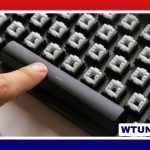
Mechanical switches are often chosen for their consistent feedback and durability. Tactile switches provide a noticeable response when a key is pressed, while low-profile designs use shorter travel and may feel faster or more compact. The right option is a matter of preference, so consider whether you favor a distinct key response, a shorter stroke, or quieter operation.
Key legends are also important. Clear labels make dedicated editing functions easier to identify, particularly when a keyboard includes multiple layers or application-specific layouts.
Compatibility and connectivity
Hardware controls are only valuable when they work reliably with your editing software. Check whether the keyboard’s companion application supports your primary program and whether it allows custom shortcuts, macros, profile switching, or application-specific mappings. If direct integration is not available, confirm that standard keyboard shortcuts or mapping tools can provide the functions you need.
A wired USB connection is a practical choice for a fixed editing workstation and avoids the need to manage batteries or wireless pairing. Wireless models can be more convenient for flexible setups, but the important consideration is dependable command response during playback and timeline work. USB pass-through may also be useful if you want to connect another peripheral through the keyboard.
Ergonomics, size, and build quality
A keyboard used for editing should fit comfortably into your working position. Look for features such as adjustable feet, a suitable wrist rest, and an angle that does not force your wrists into an uncomfortable position. Comfort is personal, so the ideal layout depends on your hand position and desk height.
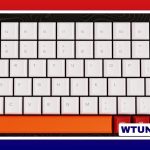
- Full-size layouts: Provide a number pad and more room for dedicated controls, but require more desk space.
- Tenkeyless layouts: Remove the number pad while retaining the main editing keys, leaving more room for a mouse or control surface.
- Compact layouts: Suit smaller desks or mobile setups, especially when the keyboard can save profiles onboard.
For regular professional use, consider the frame, keycap quality, and rated switch lifespan. A sturdy keyboard is more likely to remain dependable through frequent daily use, while a lighter compact model may be preferable if you often move between editing stations.
Match the keyboard to your editing work
Editors who assemble footage and make frequent cuts may benefit most from programmable shortcut keys, responsive transport controls, and a jog wheel. Colorists and finishing artists may place greater value on rotary controls for supported adjustment tasks. Streamers and content creators can use programmable buttons for scene changes, audio muting, and overlay commands.
For studio environments, profile management can help different workstations use consistent shortcut arrangements. However, there is no advantage in paying for controls you will rarely use. A simpler keyboard with dependable mappings may be a better fit than a large control-heavy model.
How to choose within your budget
Start by listing the commands you use most often and the points where your current setup slows you down. Then decide whether you need dedicated transport controls, a jog wheel, programmable keys, onboard profiles, or a compact layout. Give software compatibility priority over appearance, and consider whether the keyboard’s controls can be customized without complicated setup.
The right video editing keyboard for PC should complement your software, fit your desk, and make repetitive tasks easier. By focusing on useful controls, reliable connectivity, comfortable design, and genuine software support, you can choose a tool that improves both editing efficiency and long-session comfort.