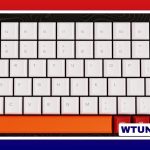
A multi-device keyboard allows one physical keyboard to control several computers, tablets, or phones. Instead of keeping a separate keyboard beside each screen, you pair the keyboard with multiple devices and select which one should receive your keystrokes.
This setup can reduce desk clutter and make it easier to move between a work laptop, personal computer, tablet, or phone. It is particularly useful in home offices, shared workspaces, and compact setups where several devices are used throughout the day.
How multi-device keyboards work
Most models provide several connection channels or stored device profiles. During setup, you pair each channel with a different host—for example, a desktop on one channel, a laptop on another, and a tablet on a third.
After pairing, you normally switch between devices with a dedicated button, numbered key, function-key shortcut, slider, or dial. The keyboard then reconnects to the selected device without requiring you to repeat the pairing process each time.
The switching method matters more than it may initially appear. If you move between devices frequently, direct-selection buttons and a clear active-device indicator are convenient. A keyboard that only cycles through channels may be adequate for occasional switching but less practical when you change hosts repeatedly.
Connection options
Bluetooth
Bluetooth is useful for laptops, tablets, and phones because many of these devices already support it. A keyboard with multiple Bluetooth profiles can keep several hosts configured and let you select the required device from the keyboard.
Bluetooth also suits portable setups because it does not require a separate receiver. Before buying, check compatibility with every intended device. A keyboard may connect successfully while still offering different shortcut behavior or limited software support on different operating systems.
USB receivers
Some keyboards use a USB receiver and a dedicated 2.4 GHz wireless connection. This can be convenient for a desktop or laptop, while Bluetooth handles a tablet or phone. Hybrid models that support both connection types can provide flexibility when your devices have different requirements.
Check the ports on your computers before choosing a receiver-based keyboard. Depending on the available port types, you may need an adapter. A receiver can also occupy a port that you need for another accessory.
Features to compare
Layout and size
A full-size layout includes a number pad, which can be valuable for spreadsheets, accounting, and frequent numeric entry. Tenkeyless and compact keyboards use less desk space and are generally easier to carry, but they may omit or reposition familiar keys.
Consider where you will use the keyboard as well as what you will type. A compact model may work well with a tablet or small desk, while a larger layout may be more comfortable for an all-day workstation.
Operating-system support
Make sure the keyboard supports the operating systems used by all of your devices. Modifier keys and keyboard shortcuts can vary between platforms. Some keyboards allow you to change key behavior for each paired host, which can make switching between systems less confusing.
Do not assume that a basic Bluetooth connection guarantees full access to every feature. Review the keyboard’s documented compatibility, especially if you need custom shortcuts or companion software.
Battery life and backlighting
Battery performance depends on the keyboard, connection method, sleep settings, and use of backlighting. Illuminated keys can help in dim environments, but they may increase charging frequency.
Think about whether you prefer long periods between charges or regularly use the keyboard in low light. If available, wired operation can be useful when the battery is low, but not every wireless model supports typing while connected by cable.
Typing comfort
Key travel, spacing, switch type, keyboard angle, and wrist position all affect long sessions. Adjustable feet, a different key profile, or a split design may improve comfort, but these choices are personal. If possible, try the layout before buying, particularly when the keyboard will be used throughout the working day.
Software and cross-device workflows
Some keyboards work with companion software for custom shortcuts, device profiles, and operating-system-specific key behavior. In some setups, related software may also provide clipboard sharing or file movement between connected computers.
These features depend on the keyboard software and the host devices. They are additional workflow tools, not automatic capabilities of every multi-device keyboard. If you need to move files or copy content between systems, check exactly what the software supports before treating it as a replacement for a dedicated cross-device workflow.
When a multi-device keyboard makes sense
A multi-device keyboard is a practical choice when a work laptop sits beside a personal computer, or when a desktop is used alongside a tablet for reference, calls, or creative tasks. Developers, administrators, and other users who move between systems may benefit from keeping one familiar typing surface in front of them.
It is less suitable when you need to type on two devices at the same time. In that situation, separate keyboards may be more efficient than switching channels. A multi-device keyboard also does not replace every function of a dedicated KVM setup, particularly when you need to control displays and other peripherals as well as keyboard input.
Choosing the right model
- List every device you want to connect and identify its supported connection types.
- Decide how often you will switch and choose controls that match that routine.
- Choose a full-size, tenkeyless, or compact layout based on your typing and portability needs.
- Check operating-system compatibility, shortcut behavior, and software requirements.
- Compare battery life, backlighting, charging options, and connection stability.
- Prioritize typing comfort if the keyboard will be used for extended sessions.
The best multi-device keyboard is not necessarily the one with the most features. It is the one that matches your devices, switching habits, desk space, and preferred typing experience while making it straightforward to send input to the correct screen.