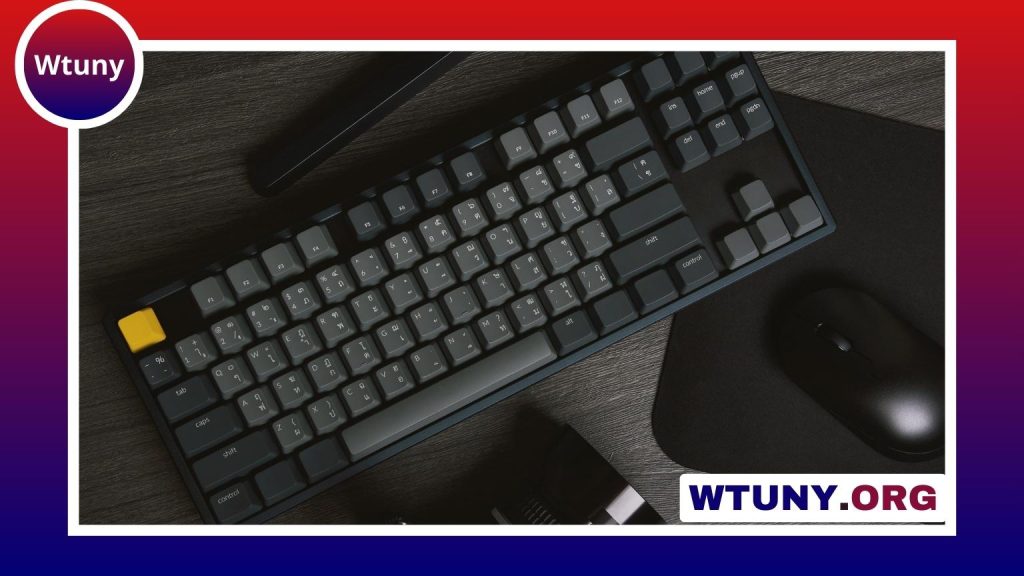
A Mac soft keyboard is an on-screen alternative to a physical keyboard. It can be useful when a hardware keyboard is unavailable, difficult to use, or unsuitable for a particular task. macOS includes built-in tools for on-screen typing and accessibility, while other options support specialized layouts, demonstrations, kiosk interfaces, and international characters.
What is a Mac soft keyboard?
A soft keyboard displays keys in software rather than on a separate physical device. Selecting a key with a mouse, trackpad, switch, or another assistive input method sends a corresponding keyboard command or character to the active application.
On macOS, the main built-in option is the Accessibility Keyboard. It appears as a floating window that can be moved and resized. Depending on the user’s setup, it can be operated with pointer devices or integrated with Switch Control and other accessibility features. Some MacBook models have also included a Touch Bar, which provides contextual controls and virtual buttons in supported applications, although it is not a full replacement for the floating Accessibility Keyboard.
When an on-screen keyboard is useful
A virtual keyboard is not limited to emergency input. It can support a range of everyday and professional situations:
- Accessibility: People with limited mobility or dexterity may use an on-screen keyboard as a primary or supplementary input method.
- Temporary keyboard problems: It provides a way to enter text while a physical keyboard is disconnected, damaged, or unavailable.
- Special characters and languages: An on-screen layout can make unfamiliar characters, symbols, and alternate input sources easier to locate.
- Testing: Developers can check keyboard commands, internationalization, and application behavior without connecting several physical keyboards.
- Presentations and kiosks: A software keyboard can reduce reliance on exposed hardware in controlled environments.
- Teaching and demonstrations: Instructors can show layouts and character entry while explaining typing or language concepts.
Accessibility and personalization
The Accessibility Keyboard can be adjusted to suit different users and workflows. Useful changes may include enlarging the window, selecting a more readable key size, improving contrast, and arranging keys in a layout that is easier to operate. The best configuration depends on how the user points, selects, or scans through the keyboard.
For users who cannot operate a mouse or trackpad comfortably, macOS accessibility features can complement the soft keyboard. Switch Control may allow selection through compatible switches or other assistive devices. Voice Control and dictation can reduce the amount of manual typing required, while the on-screen keyboard remains useful for short edits, punctuation, symbols, and commands.
Languages, suggestions, and text entry
Soft input works with the input sources and language arrangements available in macOS. This makes it possible to switch between supported keyboard layouts and character sets without replacing physical hardware. An on-screen layout can also make the current arrangement more visible, which is helpful when working with an unfamiliar language.
Dictation and text suggestions can complement, rather than replace, a soft keyboard. Dictation is convenient for longer passages, while an on-screen keyboard offers precise control over corrections, special characters, and individual key presses. The exact suggestions and text-entry behavior depend on the macOS configuration and the application being used.
Third-party and online alternatives
Native macOS tools are usually the most appropriate starting point, especially when accessibility integration or system-wide input is important. Third-party utilities may be useful when a project requires a custom layout, a specialized symbol set, visual themes, or a touchscreen-oriented interface. Developers may also use purpose-built virtual keyboards for kiosks, demonstrations, or language instruction.
Online virtual keyboards can provide quick access from a browser and may be convenient for demonstrations, remote troubleshooting, or devices where software installation is not possible. They should not be treated as the default choice for confidential information. Avoid entering passwords, payment details, or other sensitive data into an unfamiliar web-based keyboard. Prefer the native macOS keyboard or a trusted application whenever privacy matters.
Working across Apple devices
Apple features such as Sidecar, Universal Control, and Handoff can connect Macs and iPads in different ways. These features may allow one device to provide display, pointer, or keyboard support for another, but they do not all function as a standalone macOS soft keyboard. The most suitable arrangement depends on whether the goal is text entry, screen extension, accessibility support, or moving work between devices.
Choosing and using a Mac soft keyboard
Start with the built-in Accessibility Keyboard and configure it around the user’s actual needs. Consider key size, contrast, selection method, language layout, and whether dictation or switch access should be part of the workflow. Test the setup in the applications that matter most, because support for shortcuts and text-entry behavior can vary.
For development or kiosk projects, test with the intended pointer or assistive hardware rather than relying only on a standard mouse. For everyday typing, keep the native option available as a dependable backup. With thoughtful configuration and sensible privacy precautions, a Mac soft keyboard can provide flexible input without requiring a physical keyboard for every task.