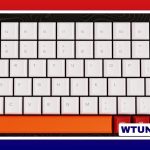
A gel wrist rest can make a keyboard or mouse setup more comfortable by providing a soft, stable surface near the edge of your desk. The gel cushioning conforms slightly under pressure, while the shaped design helps support your hands during pauses and between movements. It is a useful accessory for people who spend long periods typing, browsing, designing, gaming, or working with data.
A wrist rest is not a substitute for good desk positioning, but the right model can help create a more comfortable workstation. Size, height, surface material, and stability all affect how well it fits your setup.
What a gel wrist rest is designed to do
Most gel wrist rests are placed in front of a keyboard or alongside a mouse. Their cushioning spreads contact over a wider area than a hard desk edge, which can make the front of the desk feel less uncomfortable during extended sessions. A shaped rest may also help you keep your hands closer to a neutral position instead of bending sharply upward toward the keyboard.
For the best result, treat the wrist rest as light support rather than something to press into continuously. While typing, your hands should be able to move freely, with your wrists relaxed and your shoulders and forearms free from unnecessary tension. Many people use the cushion mainly when pausing, reading, or repositioning their hands.
Who may find one useful?
A gel wrist rest can be a practical addition for anyone whose hands regularly contact the desk during computer use. It may be particularly useful for:
- Office workers, writers, and students who type for long periods
- Data-entry users who repeat keyboard movements throughout the day
- Gamers who want a consistent support surface during extended sessions
- Designers and CAD users who alternate between keyboard commands and precise mouse movements
- People whose desk edge feels hard or uncomfortable
Comfort is personal, so a wrist rest that works well for one person may feel too high, too soft, or too restrictive for another. If using one increases discomfort, numbness, or tingling, stop using it and reassess your overall workstation position.
How to choose the right gel wrist rest
Match the width to your keyboard
A full-size keyboard generally pairs well with a full-length rest. For a tenkeyless, compact, or split keyboard, choose a width that supports the area you actually use without blocking nearby desk space. A rest that is too short may leave one hand unsupported, while an oversized model may interfere with mouse movement or other equipment.
Check the height and shape
The top of the rest should work with the height and angle of your keyboard. If it is substantially higher than the front edge, your hands may be pushed into an awkward position. If it is too low, it may provide little useful support. Look for a shape that feels stable without forcing your wrists or palms upward.
Prioritise stability and surface comfort
A non-slip underside helps keep the cushion in place when you move between keys. The outer cover should feel comfortable against the skin and be durable enough for regular contact. Fabric covers may feel softer, while coated materials such as PU leather are often easy to wipe clean. Inspect seams and edges, especially if the rest will be used every day.
Keyboard, mouse, and combination options
A keyboard wrist rest is the simplest choice, but some setups benefit from coordinated support for both keyboard and mouse. A gel mouse pad with a built-in cushion can support the base of the hand while the mouse is in use. Separate matching pieces offer more flexibility, while an extended design can make transitions between typing and mousing feel more consistent.
Whichever arrangement you choose, check that the surfaces are close in height. A large step between the keyboard rest and mouse support can feel awkward when your hand moves repeatedly between them. Also check the keyboard’s front edge: unusually curved, elevated, or irregular designs may not sit comfortably against a standard straight wrist rest.
Positioning tips for everyday use
- Place the rest directly in front of the keyboard, close enough to support your hands without making you reach forward.
- Keep the keyboard and wrist rest aligned so your hands do not angle sideways while typing.
- Adjust your chair and keyboard height so your forearms can remain relaxed and roughly level.
- Keep the wrist rest still, but avoid leaning heavily on one spot for long periods.
- Take regular breaks and change position rather than relying on the cushion alone.
Cleaning and maintenance
Wipe the surface regularly with a soft, slightly damp cloth. If needed, use a small amount of mild soap, then wipe away residue and allow the rest to dry fully. Avoid harsh cleaners, soaking, or abrasive scrubbing, since these may damage the cover or affect the sealed gel interior.
Do not store the wrist rest under heavy objects for long periods, and keep it away from prolonged direct sunlight or excessive heat. If the cover splits or the gel begins to leak, replace the accessory rather than continuing to use it.
Final considerations
The best gel wrist rest is one that fits your keyboard, stays in place, and supports a relaxed position without restricting movement. Compare its height with your keyboard, consider whether you need keyboard-only or mouse support, and choose a surface that is easy to maintain. Used alongside sensible desk positioning and regular breaks, a well-fitted wrist rest can make everyday computer work feel more comfortable.