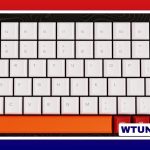
A computer keyboard sleeve is a simple way to protect a keyboard when it is stored, carried between workspaces, or removed from a desk. Unlike a rigid case, a sleeve adds cushioning without much extra weight or bulk. It can help reduce scratches, keep dust away, and make it easier to organise a keyboard, cable, and small accessories in one place. Explore keyboard sleeves and covers among other essential parts to protect and maintain your keyboard.
The best sleeve depends on your keyboard’s size, construction, and typical use. A compact mechanical keyboard may need only a slim padded cover, while a full-size model with a wrist rest may require additional depth. Before buying, consider the level of protection you need and how often the keyboard will be transported.
Why use a keyboard sleeve?
Sleeves are particularly useful for everyday movement between home, an office, a studio, or a shared workspace. Soft materials such as neoprene, padded fabric, and foam-lined textiles provide protection from surface marks and minor knocks while remaining easy to pack into a backpack or larger equipment bag.
- Lightweight transport: A sleeve is generally less cumbersome than a hard case.
- Basic cushioning: Padding helps protect keycaps and the keyboard housing during ordinary carrying.
- Dust protection: A closed sleeve keeps the keyboard covered when it is stored away.
- Desk organisation: The keyboard and its cable can be kept together instead of left loose in a drawer or bag.
- Flexible storage: A soft sleeve takes up less space when packed alongside other equipment.
A sleeve is not designed to withstand every type of impact. If the keyboard will be shipped, placed under heavy luggage, or taken into demanding conditions, a structured hard case may be more appropriate.
What to look for in the construction
Material affects both protection and convenience. Neoprene is flexible, cushioning, and commonly used for sleeves that need a close fit. Polyester and blended fabrics can provide a lighter outer layer, while foam padding or a quilted lining offers extra separation between the keyboard and the outside of the bag.
Pay attention to details that receive repeated use. Strong stitching, reinforced seams, and a dependable zipper or flap closure can help the sleeve withstand frequent opening and removal of the keyboard. An outer coating that resists light moisture may also be useful, although a water-resistant sleeve should not be treated as fully waterproof unless the product specifically states that it is.
Choose the correct size and fit
A good fit keeps the keyboard from shifting excessively without pressing against the keys. Keyboard layouts vary considerably, so do not choose a sleeve based only on a general label such as “compact” or “full-size.” Measure the keyboard’s length, width, and height, including any parts that will remain attached during transport.
Check whether you intend to carry a detachable wrist rest, coiled cable, or other small item in the same sleeve. A slim sleeve may provide a neat fit for the keyboard alone, while a deeper model may be more practical for a mechanical keyboard with taller keycaps. Owners of keyboards with artisan or unusually high keycaps should avoid designs that place pressure directly on the tops of the keys. Alongside a computer keyboard sleeve, phone keyboard protection offers a practical option for iPhone 14 typing.
Useful measurements to check
- Keyboard length and width
- Overall height, including taller keycaps
- Attached or detachable wrist rests
- Connected cables, if they will remain attached
- Space needed for a cable, adapter, or small accessory pocket
Features that make a sleeve more convenient
Additional features can make a basic sleeve easier to use every day. An internal pocket or separate zipped compartment provides a place for a detachable cable, wireless adapter, or keycap puller. A retaining strap or elastic band can help hold the keyboard in position, while an exterior handle makes short-distance carrying more comfortable.
Some users will prefer a minimal black sleeve that fits discreetly into a backpack. Others may want a brighter colour or printed design that reflects their desk setup. Appearance is secondary to fit and construction, but it can still matter when the sleeve is used regularly.
Keyboard sleeve or hard case?
Choose a sleeve when portability, compact storage, and everyday protection are the priorities. It is well suited to commuters, remote workers, students, gamers, programmers, and anyone who periodically moves a keyboard between locations.
Choose a rigid case when the keyboard needs stronger protection against crushing forces or rough handling. Hard cases usually add weight and take up more space, but their structured walls and compartments can be preferable for shipping or more demanding travel. A sleeve can still be used for routine storage, even if a hard case is reserved for higher-risk journeys.
Care and maintenance
Keep the sleeve clean by wiping its exterior with a slightly damp cloth and removing dust or lint from the interior. Avoid soaking the material unless the care instructions specifically allow washing. If the sleeve has a zipper, do not overfill it or force the keyboard inside, since excessive pressure can strain the closure and seams.
Before storing the keyboard, make sure it is free of loose debris and that any cable is coiled without sharp bends. Let the sleeve dry completely if it becomes damp. With the right size, suitable padding, and features that match your routine, a computer keyboard sleeve can make transport and storage safer while keeping your keyboard setup organised.