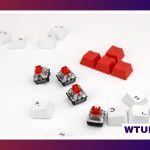
Cute keycaps are an easy way to give a keyboard more personality without replacing the entire board. A soft pastel color scheme, playful icon set, or single sculpted artisan key can change the character of a workspace while preserving the keyboard’s everyday function. The best choice depends on more than appearance, however. Layout, mounting style, keycap profile, material, and care requirements all affect whether a set will be enjoyable to use.
What makes a keycap cute?
“Cute” is a broad style rather than a specific technical category. Popular designs include pastel palettes, animal faces, food and plant motifs, miniature characters, stars, clouds, and other whimsical details. Some sets create their look through printed or molded legends, while artisan keycaps may be shaped and painted to resemble tiny objects or figures.
Keycaps are commonly made from ABS or PBT plastic, although artisan caps may use resin and other materials. ABS can support vivid finishes, while PBT is often chosen for its textured feel and resistance to developing a glossy shine from regular use. The material is only one part of the experience: profile, surface texture, legend quality, and construction also influence how a keycap looks and feels.
Check compatibility before buying
A beautiful set is not useful if it does not fit your keyboard. Before ordering, identify the board’s layout and keycap requirements. Important details include:
- Layout: Check whether the keyboard uses ANSI, ISO, or another arrangement, and note whether it is full-size, tenkeyless, compact, or a smaller specialty layout.
- Mounting stem: Many mechanical keyboards use a cross-shaped stem compatible with Cherry MX-style switches, but compatibility should still be confirmed for the specific board and switches.
- Key sizes: Space bars, Shift keys, Enter keys, Backspace keys, and modifier keys may differ between layouts.
- Coverage: Some decorative sets are designed as accent kits rather than complete replacements, so check exactly which keys are included.
Low-profile keyboards and non-mechanical boards may require specialized keycaps. If the product listing does not clearly describe compatibility, compare measurements and mounting details before purchasing.
Choose a profile that suits your typing
Keycap profile describes the height and shape of each row. Cherry and OEM profiles are common choices for general typing, while taller sculpted profiles such as SA create a more pronounced, retro-inspired appearance. Lower or flatter profiles can make a compact setup look clean and may feel more suitable to people who prefer shorter key travel. A sculpted or novelty keycap can also be used as an accent on a board with a different profile, but its height and shape should not obstruct nearby keys.
Build a theme without overdoing it
A complete themed set creates the strongest visual transformation, but a few accent keys can be just as effective. Start with a neutral base in white, cream, gray, or black, then add one or two character, animal, or food-themed caps. This approach makes it easier to coordinate the keyboard with a desk setup and allows individual accents to be changed later.
For a softer look, combine pastel shades or a gentle gradient. For a more noticeable centerpiece, choose a contrasting artisan cap for the Esc key, Enter key, or another easy-to-reach position. Keep usability in mind: highly sculpted caps are attractive, but flat or textured accents may be easier to identify while typing.
Look for useful construction details
If the keyboard will be used heavily, consider how the legends and colors are made. Doubleshot legends are formed from separate pieces of plastic, while dye-sublimated legends are printed into the keycap surface. Both methods can provide a durable result when well made. Product descriptions should also state whether the set uses a uniform or sculpted arrangement and whether the colors shown may vary from the finished product.
Artisan keycaps deserve additional attention. Hand-painted details, thin features, and small protrusions may be more delicate than standard plastic caps. Confirm the stem type, dimensions, production method, return policy, and expected delivery time before buying a limited or made-to-order item.
Care and storage
Remove loose dust with a soft brush or gentle air stream. For standard plastic keycaps, a mild soap-and-water wash can help remove fingerprints and grime; rinse thoroughly and let every cap dry completely before reinstalling it. Avoid abrasive cleaners and harsh chemicals, which may damage the finish or legends.
Resin and hand-painted caps should be handled carefully and kept away from prolonged direct sunlight when possible. Store spare sets in a tray, case, or padded container so that caps do not rub against one another. Keeping the original layout or taking a quick photo before removal can also make reinstallation easier.
Make the whole setup feel intentional
Cute keycaps can be paired with a matching wrist rest, desk mat, cable, or other keyboard accessories, but coordination does not require identical colors. Repeating one accent shade elsewhere on the desk is often enough to create a cohesive appearance. Most importantly, choose caps that remain comfortable and compatible with the way you type. The right set should make the keyboard more enjoyable to use, not merely more decorative.