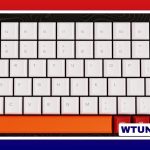
A clear keyboard cover protects your keys while keeping the original appearance of your laptop or external keyboard visible. It creates a barrier against dust, crumbs, pet hair, everyday grime, and minor liquid splashes without hiding key labels or, in many cases, backlit keys. A transparent key cover provides dust protection and pairs well with other essential keyboard maintenance accessories.
For a relatively simple accessory, a transparent keyboard protector can make regular maintenance easier and help reduce the buildup of oils and debris on frequently used keys. The best option depends on your keyboard’s layout, the way you type, and how much protection you need.
Why use a clear keyboard cover?
Keyboards collect more dirt than many users realise. Food particles can settle between the keys, while skin oils and dust gradually leave the surface looking worn. A cover provides a removable layer that can be cleaned separately from the keyboard itself.
Transparency is the main advantage over an opaque protector. You can still see the key legends and retain much of the keyboard’s original visual design. On compatible backlit keyboards, a thin clear cover may also allow the lighting to remain visible. The cover is particularly useful when a keyboard is used around food, pets, children, or in dusty environments.
Materials and cover styles
Most transparent keyboard protectors use silicone or thermoplastic polyurethane (TPU), although the thickness and finish can vary considerably.
- Silicone: Soft, flexible, and easy to position. A silicone cover generally provides a cushioned typing surface and can offer substantial coverage against dust and splashes.
- TPU and similar thin plastics: Usually lighter and firmer, with a typing feel that may be closer to using the bare keyboard. These covers are also convenient for portable users who carry a laptop regularly.
- Ultra-thin covers: Designed to minimise changes in key feedback and appearance. They may suit people who prioritise typing responsiveness.
- Thicker covers: Better suited to users who place greater emphasis on coverage and durability, though they may make key presses feel softer or less distinct.
Fit is another important distinction. A model-specific cover is shaped for a particular laptop or keyboard and should align with its key spacing. Universal sheets can be adapted to different devices, but trimming requires care and may not produce the same precise fit.
How to choose the right transparent protector
Start by identifying the exact keyboard layout and dimensions. Laptop keyboards, compact wireless boards, tenkeyless keyboards, and full-size keyboards do not share the same key arrangement. Layout differences may also affect the position of the Enter, Shift, Backslash, and function keys. A cover intended for another layout can sit incorrectly or interfere with key presses.
Next, consider your typing preferences. If you prefer crisp, immediate feedback, look for a thin protector with openings and contours that closely match the keys. If spill and dust protection matter more than tactile feel, a thicker silicone option may be a better compromise.
Portable users should also consider how the cover will be stored. A flexible TPU protector can be practical for carrying with a laptop, while a custom-fit cover may be less convenient if you frequently switch between devices. For piano keyboard protection, a clear cover helps keep a preowned digital instrument clean from dust, spills, and wear.
Where a clear keyboard cover is useful
At home, a cover can help protect against crumbs, cooking splashes, and accidental drinks. In shared work areas, it provides a cleanable surface between users. Students and travelling professionals can use one to limit the amount of dust and debris that reaches a laptop keyboard while the device moves between locations.
Clear covers are also useful for gaming, streaming, and other long sessions where drinks may be placed near the keyboard. On a backlit board, a compatible transparent protector can preserve the visibility of key labels and lighting better than a dark or opaque alternative. In environments where surfaces must be cleaned regularly, a removable cover can make routine wiping more convenient.
Installation and cleaning
Before installation, turn off or disconnect the keyboard and remove any dust from its surface. Align the cover with the key rows, then smooth it into place without stretching it unnecessarily. On a laptop, check that the protector does not extend into the hinge, touchpad, speakers, or other nearby components.
For a universal sheet, measure carefully before trimming. Preserve the full movement of the arrow keys, function row, and other controls rather than cutting solely for appearance.
Remove the cover periodically so you can clean both sides of it and wipe the keyboard beneath. Depending on the manufacturer’s instructions, the protector may be washed with mild soap and warm water or wiped with a soft cloth. If using isopropyl alcohol for disinfection, apply it in a way that is suitable for the material and allow the cover to dry completely before reinstalling it.
Replace the cover if it becomes torn, deeply scratched, permanently discoloured, or too loose to remain aligned. Damage and accumulated grime can reduce its usefulness and may affect typing.
Finding the right balance
No clear keyboard cover is completely invisible when you type. Material and thickness influence sound, key travel, and tactile feedback. A thin TPU cover may preserve more of the original feel, while silicone may feel softer and slightly dampen each press. If possible, compare covers by prioritising either typing comfort or maximum coverage.
With the correct fit and regular cleaning, a clear keyboard cover is a practical way to protect a keyboard without concealing its design. Choose a protector made for your layout, keep it clean, and replace it when its condition begins to affect protection or usability.