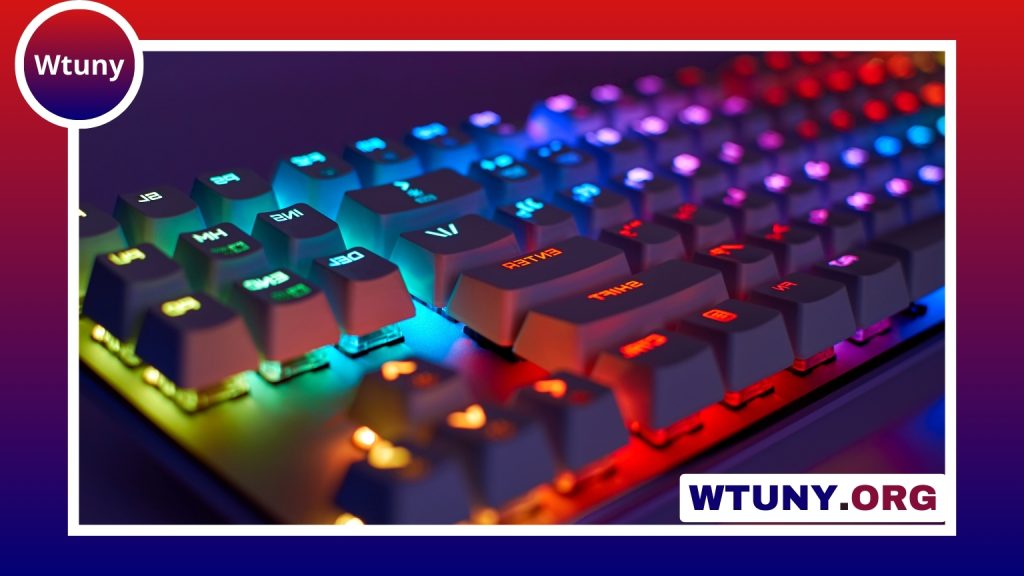
A keyboard can be a simple office accessory, a productivity tool, or a carefully engineered object built around one person’s preferences. At the high end of the mechanical-keyboard market, a complete setup can cost around $1,000. That price is rarely explained by one feature alone. It usually reflects a combination of materials, small-batch manufacturing, specialist components, customisation, and the time required to assemble and tune the board.
That does not mean every expensive keyboard offers better value than a much cheaper model. The right question is whether its design, feel, sound, appearance, and long-term flexibility match the way you use it.
Where the cost comes from
A premium keyboard often begins with a substantial case made from materials such as machined aluminium or brass. Producing a case with precise tolerances, a complex finish, or a distinctive internal mounting system can involve more manufacturing time than producing a standard plastic enclosure. Small production runs also make it harder to spread design and tooling costs across many units.
The rest of the build can add significantly to the total:
- Custom-designed printed circuit boards and controller hardware
- Specialist switches with carefully selected springs, housings, or lubricants
- Thick PBT or double-shot ABS keycaps
- Premium stabilisers for larger keys
- Gasket, tray, or other mounting systems that alter typing feel and sound
- Internal foam, silicone, or other acoustic treatments
- Hand-finished cases, artisan keycaps, and custom cables
- Assembly, switch lubrication, stabiliser tuning, and quality control
Limited editions and small group-buy runs can also raise prices because availability is restricted. In those cases, buyers may be paying for rarity and design as much as for measurable performance.
Layout matters more than the price tag
A $1,000 keyboard is still a poor purchase if its layout makes everyday work awkward. Full-size keyboards retain the number pad and function row, which can be important for spreadsheets, accounting, data entry, or applications that depend on dedicated navigation keys. Tenkeyless designs remove the number pad to create more desk space while preserving the main navigation cluster.
Compact layouts, including 60% and 65% designs, reduce the physical footprint further. They often move less frequently used functions behind programmable layers. This can work well for programmers, writers, and power users who are comfortable with shortcuts, but it may be frustrating if you regularly rely on dedicated keys.
Split and ergonomic keyboards introduce additional considerations. They may use multiple circuit boards, connecting hardware, custom firmware, or unusual key arrangements. Those features can improve comfort for some users, but they also make the design more specialised. Choose the layout for your workflow first; premium construction cannot compensate for missing keys or an unfamiliar arrangement that slows you down.
Features that can improve the experience
Switch choice has a major effect on a keyboard’s character. Linear switches offer a smooth press, tactile switches provide a noticeable bump, and clicky switches add an audible click. High-end builds may use boutique switches with distinctive force curves or carefully tuned components, but expensive switches are not automatically more comfortable. Personal preference and the quality of the entire assembly matter more than the name on the component.
Keycaps influence both durability and acoustics. Thick keycaps can produce a fuller sound and feel more substantial, while the manufacturing method affects legends, texture, and resistance to surface shine. Stabiliser tuning is equally important: rattling space bars and shifting larger keys can make an otherwise excellent board feel unfinished.
Internal design also shapes the result. Mounting systems, dampening materials, plate choice, and case construction can change how flexible, firm, resonant, or muted the keyboard feels. A hot-swappable PCB makes it easier to change switches without soldering, while programmable firmware can support layers, macros, and customised key assignments.
Who might benefit from a high-end keyboard?
People who type for many hours may value a layout and switch combination tailored to their hands and working habits. Programmers and creative professionals may appreciate compact boards with programmable layers that place frequently used commands within reach. A carefully designed board can also become a more enjoyable part of a workspace for someone who values materials, sound, and visual design.
For competitive gaming, however, a four-figure price does not guarantee a meaningful advantage. Consistent input and a suitable layout may matter, but many of the premium features are related to craftsmanship and enthusiast preferences rather than game performance. Collectors and builders may still consider the purchase worthwhile because the object itself is part of the hobby.
How to decide if it is worth it
Start by ranking your priorities: comfort, layout, sound, appearance, programmability, collectibility, or the pleasure of building. Test switches and keycaps when possible, since descriptions cannot fully convey their feel or volume. If you are buying a prebuilt board, investigate the maker’s assembly standards, replacement-part availability, and support policies.
For a custom build, account for every component rather than budgeting only for the case. You may also need switches, keycaps, stabilisers, a plate, tools, lubricants, and assembly time. Designs with replaceable parts and hot-swappable switches may be easier to maintain over the long term.
Excellent keyboards cost less than $1,000
Four-figure spending is not required for a satisfying mechanical keyboard. A less expensive board can often be transformed with better stabilisers, lubricated switches, acoustic modifications, or a quality keycap set. Buying a moderate board first can also reveal which layout and switch characteristics you actually prefer before committing to a premium build.
A $1,000 keyboard makes the most sense when its craftsmanship and customisation deliver something you will use and appreciate every day. For many people, a well-chosen midrange keyboard provides nearly all of the practical benefit. The best investment is not the most expensive board, but the one whose layout, feel, sound, and maintenance requirements genuinely fit your work and play.